It’s 2026. The hype has settled. AI is no longer the “end of design,” but exactly what the pencil and Photoshop were before: a tool. The barrier to execution has collapsed – today, anyone can generate “perfect” interfaces. But in the high-end segment, perfection is often just another word for insignificance.
Jazz vs. Techno: Feeling the Zeitgeist
AI can try to simulate how a design works, but it cannot sense it. This is the difference between Jazz and Techno. Techno is technically correct, mathematically perfect. Jazz, on the other hand, lives through improvisation, through feeling, through deliberate deviation.
Anyone designing with AI must know where to challenge the machine and where to let themselves be challenged. If you simply let the AI “do its thing,” you end up with a generic template. It is human curation that prevents the outcome from becoming generic.
The Reality Beyond the Prompt: The Backend Dilemma
AI designs in a clinically clean vacuum. In the real world – take large-scale projects in the sports sector, for example – data is often fragmented or incomplete. An AI model quickly reaches its limits here because it is trained on logic and completeness.
An experienced Art Director, however, knows how to make the best of what is available. Design is often the art of concealing technical obstacles in the frontend so skillfully that the user never notices the gaps in the backend. This is not a technical process. It is creative problem-solving.
The A/B Testing Trap: Why Optimization Cannot Replace Vision
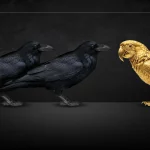
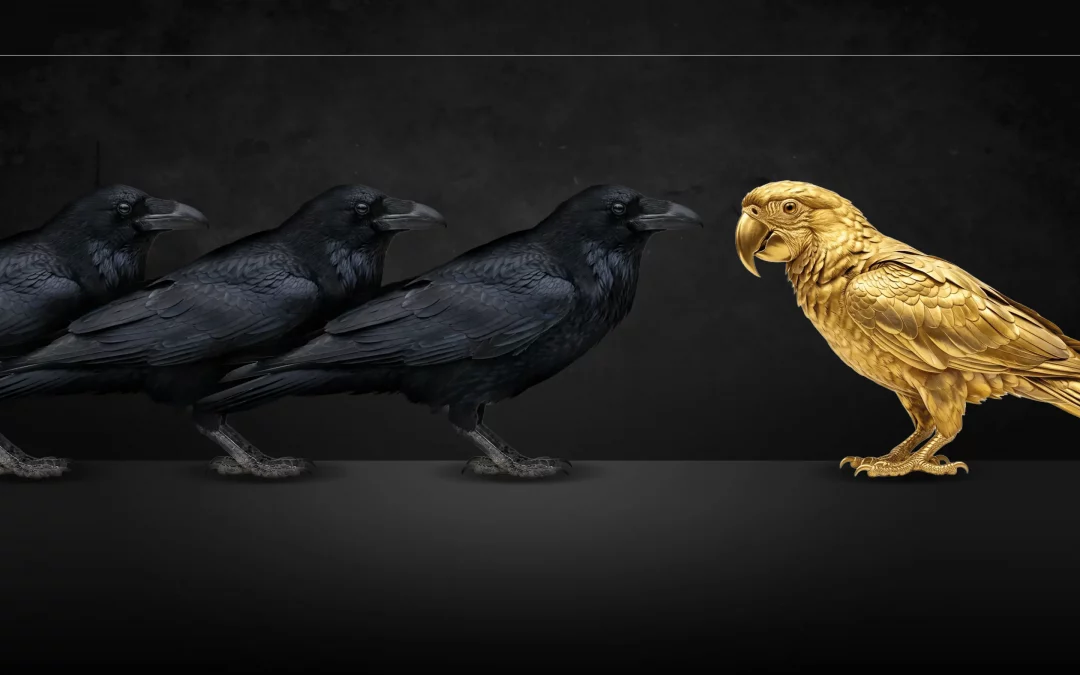
Today, we can A/B test everything. AI can lead us to the “statistically optimal” result. But as the saying goes: You cannot A/B test your way to a perfect product. You need a vision.
People don’t buy a Tesla (just) because the UI is efficient. They buy it because they think SpaceX is cool – because it is a spaceship for the road. This emotional train of thought, this “fresh perspective” that touches us and makes us ask, “Where does this lead?”, is not the result of an algorithm. AI optimizes the existing; visions create the new.
Security and Sovereignty
An often-underestimated point: If everyone builds with the same AI models, the AI also knows every vulnerability of the product. An AI-generated product essentially carries its own “hack” in its DNA. Furthermore, the risk of sensitive data being leaked through clever prompting remains. A human lead acts as the necessary security instance, protecting brand sovereignty.
Conclusion
AI is a brilliant orchestral apparatus, but it needs a conductor. Brilliant products are not created by the tool, but by the mind that guides it. Everything else is just noise. Everything else is generic.


Let's create something meaningful together
I love what I do - for me, design is less of a job and more of a calling. That's why I enjoy working with ambitious individuals and mid-sized businesses just as much as I do with global players. If you bring that same passion to your project, I’d love to hear from you. Let’s find out together how we can take your vision to the next level.