
by Christoph Gey | Oct 12, 2026 | User Experience
AI-generated images can look flawless and still feel wrong. In a live A/B test with 3,680 page views, the version with real people earned 13% more clicks. This essay explains the Uncanny Valley in the age of generative AI and why brands now face a new question: not “Does it look real?” but “Is it real?”

by Christoph Gey | Oct 10, 2026 | Design Lead
Fifteen years of helping agencies win their dream clients, distilled into 15 tips. Why winning shouldn’t be the goal, why a pitch is only a first meeting, and what really makes a client say yes.

by Christoph Gey | Sep 25, 2026 | User Experience
Church bells and push notifications, confession and the Genius Bar: an essay on the psychological architecture shared by ritual and interface design and where the analogy breaks down.

by Christoph Gey | Sep 25, 2026 | Brand Analysis
Scarcity isn’t one tactic – it’s three. From fake e-commerce timers to Labubu’s collapse to Chanel’s century-long price discipline, here’s what actually separates them.

by Christoph Gey | Sep 22, 2026 | Brand Analysis
Louis Vuitton never chose between reach and exclusivity. Iit built a system that separates the two. A design-systems lesson for brand and product teams.

by Christoph Gey | Sep 21, 2026 | Brand Analysis
AI has made visual perfection cheap. And that creates a strange problem for luxury brands. For decades, the perfect image was scarce. It required photographers, locations, sets, retouching, craft, time. Now the image itself can be generated in seconds. So what happens when the surface of luxury is no longer scarce?

by Christoph Gey | Aug 24, 2026 | Design Philosophy
Why does real craft grow more valuable, not less, in the age of generative AI? A practitioner’s case, backed by research on effort justification and the IKEA effect, for keeping the first line human and where AI genuinely earns its place in the process.
by Christoph Gey | Aug 17, 2026 | Design Philosophy
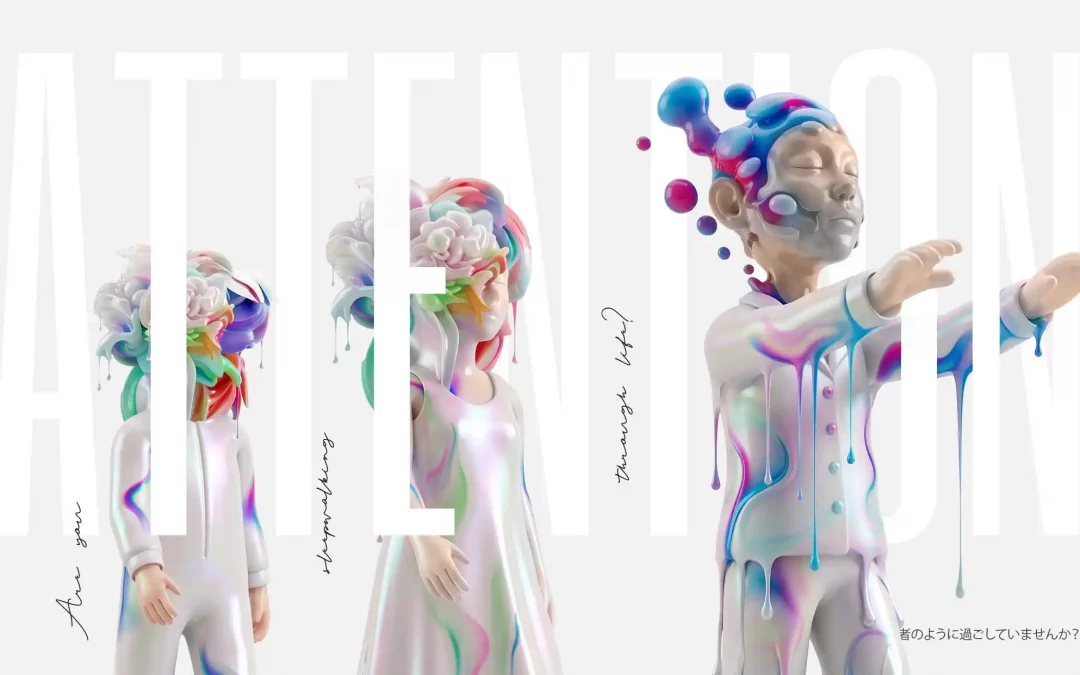
Attention is the creative director’s most underrated weapon. An essay on sleepwalking through creative work and the discipline of never looking away.

by Christoph Gey | Aug 17, 2026 | User Experience
Audience logic asks who someone is. Perception architecture asks what state they’re in and why that question changes everything about how digital products should be designed.
by Christoph Gey | Aug 10, 2026 | User Experience
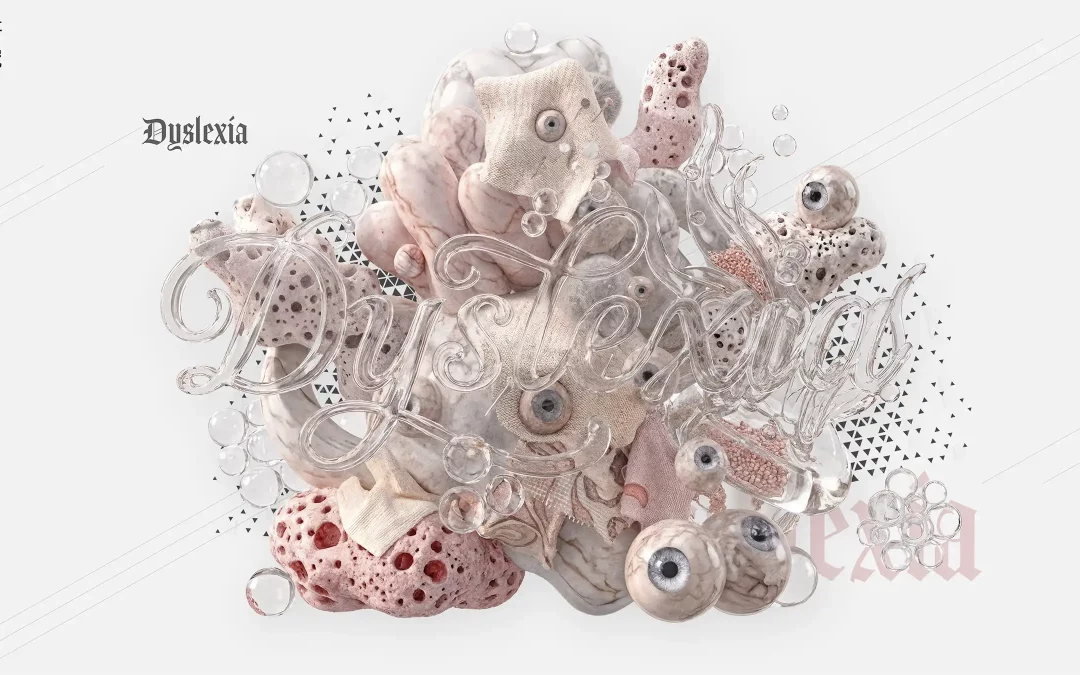
How do you design digital products for people with dyslexia? An essay on typography, structure, and the neuroaesthetics of real accessibility.