Observations on the craft of building digital legacies.
The more we automate, the more we must question what truly lasts. Design is no longer just about solving problems; it is about navigating the tension between technological possibilities and the quiet, enduring essence of a brand.
These insights are an ongoing attempt to understand that intersection. I explore how innovation – from AI to evolving digital ecosystems – can be harnessed without losing the human resonance that makes a brand meaningful. It is a discourse driven by curiosity, focusing on the craft of building digital legacies that are as innovative as they are grounded.
AI-generated images can look flawless and still feel wrong. In a live A/B test with 3,680 page views, the version with real people earned 13% more clicks. This essay explains the Uncanny Valley in the age of generative AI and why brands now face a new question: not “Does it look real?” but “Is it real?”
Fifteen years of helping agencies win their dream clients, distilled into 15 tips. Why winning shouldn’t be the goal, why a pitch is only a first meeting, and what really makes a client say yes.
Church bells and push notifications, confession and the Genius Bar: an essay on the psychological architecture shared by ritual and interface design and where the analogy breaks down.
Scarcity isn't one tactic - it's three. From fake e-commerce timers to Labubu's collapse to Chanel's century-long price discipline, here's what actually separates them.
Louis Vuitton Design Systems
Louis Vuitton never chose between reach and exclusivity. Iit built a system that separates the two. A design-systems lesson for brand and product teams.
Luxury Brands – outlasting stormy (AI) seas
AI has made visual perfection cheap. And that creates a strange problem for luxury brands. For decades, the perfect image was scarce. It required photographers, locations, sets, retouching, craft, time. Now the image itself can be generated in seconds. So what happens when the surface of luxury is no longer scarce?
Craft becomes luxury
Why does real craft grow more valuable, not less, in the age of generative AI? A practitioner's case, backed by research on effort justification and the IKEA effect, for keeping the first line human and where AI genuinely earns its place in the process.
Architecture of wakefulness
Attention is the creative director's most underrated weapon. An essay on sleepwalking through creative work and the discipline of never looking away.
Perception Architecture
Audience logic asks who someone is. Perception architecture asks what state they're in and why that question changes everything about how digital products should be designed.
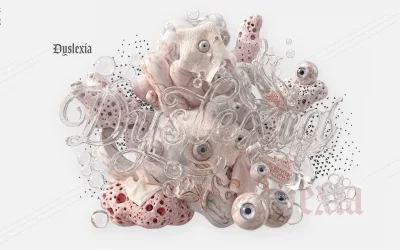
How to design for dyslexia?
How do you design digital products for people with dyslexia? An essay on typography, structure, and the neuroaesthetics of real accessibility.
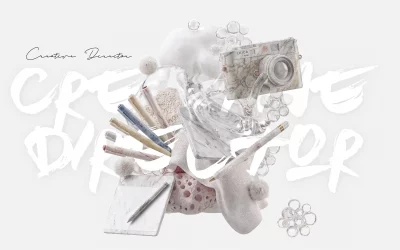
What Does a Creative Director Actually Do?
The standard definition explains what a Creative Director does. It doesn't explain why so many lose their judgment the moment they stop designing themselves.
The Locard principle in branding
Every contact leaves a trace. Not an impression - evidence. A forensic reading of what brands actually deposit in the minds they touch, and why volume alone builds nothing but noise
Creative Humility Insights of an international Creative Director
Working in luxury branding while driving a Dacia. Designing desire for others while deliberately choosing things that need no logo. This is not a contradiction. It is the distance I need to do the work well.
10 Methods for Constructing Visual Brand Expression
Methods have a bad reputation in the creative industry. They are seen as a crutch - a confession that inspiration has failed. The opposite is true. I used them from A Bola to Audi: ten tools for anyone stuck in a creative block who needs a precise way out.
Creative Director – Between Obsession and Mastery
A student promises total dedication. The master doubles the time. This essay explores why obsession alone slows mastery down and what creative directors can learn from a swordsmith who already knew.
When design doesn’t understand the world
Most international design failures aren't technical. They're intellectual. The quiet assumption that your own aesthetic logic is universal. That a clean layout reads as trustworthy everywhere, that a thumbs-up means approval, that white signals freshness. It doesn't. This essay examines what cognitive science, anthropology, and the world's most-used digital platforms reveal about designing across cultures and why humility, not methodology, is the designer's most important tool.
The laboratory of freedom
Creativity is not a gift. It is a decision. But most creative environments punish the one thing that makes it possible: the willingness to not know yet. An essay on premature certainty, controlled randomness, and what a pencil sketch taught me about digital design.
Ego vs self-confidence as Creative Director
Ego and self-confidence have always been a topic in the design industry.
Everyone has an opinion on it.
Few talk about the moments where they got it wrong.
The difference is smaller than you think and larger than you hope. Ego protects your idea. Self-confidence protects the best idea. Whoever had it.
Three stories from my own work where that distinction made all the difference.
An Anatomy of Taste
Taste is not a matter of opinion. It is a system. Built from biology, culture, class and training. And only at the very end: from the individual. An essay on what good taste actually is and why even refined judgment remains a trap.
The Human Brain Refuses to Be a Target Audience | Psychology, Design & Individual Perception
The human brain refuses to be a target audience.
I learned that not in a design studio. I learned it during my civil service — working with people living with schizophrenia, borderline disorder, and severe depression.
What I saw there became a design principle I’ve never been able to shake: behind every reaction is a history no dataset captures.
Manipulation Through Branding – Recognise it. Understand it. Break free from it.
Technology evolves exponentially, while human biology remains static. Christoph Gey dissects how modern branding and algorithmic design exploit this gap to bypass rational thought. By analyzing psychological mechanisms like cognitive dissonance, this essay reveals how manipulation targets the brain's emotional systems. Learn to recognize these "invisible threads" and discover a counter-model for design and leadership that prioritizes genuine authority and independent thinking.
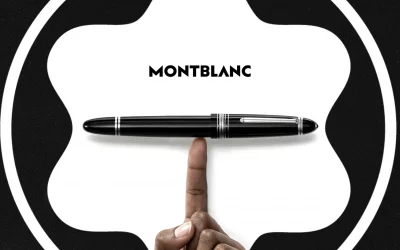
Montblanc – beyond the logo – a myth that outlives trends
Some objects carry a weight no scale can register. A Montblanc fountain pen is not just a tool. It is a certificate of a completed posture. In an era of disposable digital design, why does this brand remain an untouchable status symbol? This essay deconstructs the "Architecture of Continuity," exploring why modern brands fail to build lasting myths, and why true mastery requires the courage to refuse the trend - even when it costs you everything.
Creativity is not a talent. It is an attitude.
Creativity is not a personality trait — it is a discipline. In this essay, Berlin-based freelance Creative Director Christoph Gey dismantles the myth of innate talent and argues, drawing on neuroscience and Google's Project Aristotle, that creativity is a trainable rhythm — and that permission is its only true prerequisite.
IS YOUR BRAND A CASINO? On Greed, Design, the Slow Erasure of Trust and how to avoid it
A brand is a contract of expectation. When that contract is broken by design - through hidden fees, manipulative flows, and engineered addiction - the user doesn't complain. They leave. This essay examines the mechanics of greed in UX, from Facebook's confessed dopamine loops to Amazon's $2.5 billion dark patterns settlement, and argues for the only alternative that actually works: designing for trust.
Design Psychology: Can Objects Store Human Emotion?
An antique shop. A glass case. A ring we never touched — and could not forget. My wife and I felt the same thing, simultaneously, without a word between us: something dark. Something that should not have been there.
I have no interest in the esoteric. But I cannot pretend nothing happened. That would not be rational. Three explanations — psychometry, thin slicing, neural coupling — each accounts for part of what occurred. None accounts for all of it.
What followed changed my understanding of the work. Design communicates on two levels: one legible, one quiet. The second does not emerge from decision, but from disposition — from what a person brings to what they make. Viewers sense this. Not always consciously. But they sense it.
Whether feelings can be stored in matter is a question I cannot answer. What I know: they are stored in work. And one should be careful about what one allows to resonate.
Diligence and discipline: the underrated virtues of a creative director and the decision to become better than yesterday
Diligence compounds talent. In this post, I reflect on why the most successful creatives aren’t just the ones with the best ideas, but the ones who refuse to stop when it would be easier to quit. A manifesto on craft, discipline, and the pursuit of the 'perfect' curve.
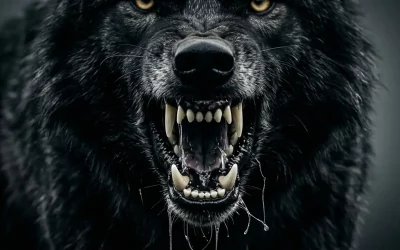
Creative Blocks – Stare the wolf in the eye and overcome them
Creative blocks are a myth - a convenient excuse for superficial thinking. Those who freeze before a blank page usually don’t lack the right talent - rather, they have framed the wrong problem. Discover why creativity is not a sudden flash of inspiration, but a craft and how you can get your "thinking system" back up and running with eleven targeted interventions.
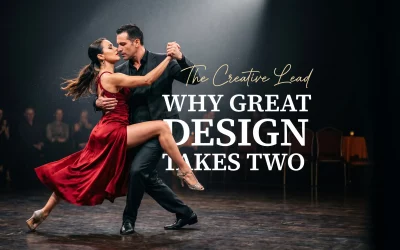
The Creative Lead – Why Great Design Takes Two.
Watson needed Crick. Curie needed Curie. The greatest breakthroughs in science rarely happened alone - they happened in the friction between two different kinds of thinking. As a freelance Creative Art Director in Germany, I have no internal team to challenge my ideas. So I ask my clients to do it instead. This essay is about why I'm proud of that - and why the best work emerges not from expertise alone, but from the space between what I know and what my clients know that I never will.
The Architecture of Play: What Three Daughters Taught Me About Brand Substance
We build fragile brands because we fear the friction of play. Discover why the radical clarity of a child is the ultimate tool to rebuild brand substance.
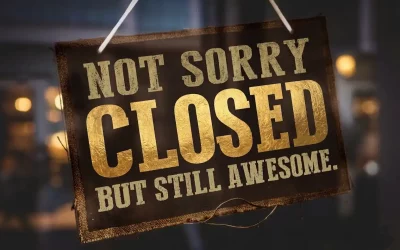
Brand integrity – The sunday closing strategy
Why do giants like Chick-fil-A or B&H close on Sundays? An analysis of how radical renunciation builds authenticity and deep customer loyalty.
What Enters Your Ear Reaches Your Heart
A Creative Director from Germany on auditory discipline and inner order — why everything you build, every brand you shape, begins with what you allow in.
Should You Move to the Middle of Nowhere? A Creative Director’s Honest Answer
Is location still relevant for creative professionals? A freelance Creative Director reflects on algorithms, craft, and the honest doubt behind moving from Cologne to Grimma.
Creative Erosion – when design teams stop to perform at their best
Long-term client relationships feel like success. But familiarity is a trap. When design teams stop questioning, they stop creating — and start managing decline. A Creative Director on Creative Erosion, and how to rebuild a team's edge before the brand loses its soul.
Hyper-Personalization in Branding: The Precision of One
Beyond "Hello [Name]". Discover why hyper-personalization is the ultimate act of respect and how to implement a curated digital architecture.
Building relationships – Win people over with design
Branding is a relationship, not a broadcast. Learn how to use mirroring, the Franklin Effect, and reciprocity to build deep brand loyalty.
Interior – The creative space that designes with you
Is your office a workshop for masters or a playground for distractions? Discover why sterile cubicles and "Google-style" offices stifle true creativity - and how to build a physical environment that fosters depth, haptics, and architectural focus.
Leading Design Teams: Introverts vs. Hiders
Silence in a design team can mean three things: deep thought, hidden fear or absent of knowledge. Learn how to distinguish architects from fugitives in your leadership.
The Anatomy of a Choice: Why Logic is Just a Supporting Actor in Branding
Why do we love certain brands while others fade into noise? Discover the neurobiology of choice. From "System 1" thinking to the "Ideal Self," learn why design is actually navigation through the unconscious - and why logic only shows up to justify what our emotions have already decided.
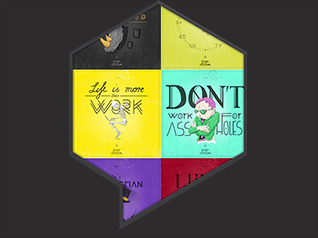
I DON’T WORK FOR ASSHOLES
On the necessity of a strategic veto. In the design world, we often pretend that every commission is a blessing. We optimize, we polish, we deliver. But there is a line where design stops being a solution - and starts being a dark accomplice. I’ve made a clear decision for myself: I don’t work for assholes. Not as an insult. As a filter.
Global brands based on religion
Why do we call them "Cult Brands"? Because at the highest level, we aren’t looking for features. We are looking for meaning. We are looking for something to believe in.
In my latest essay, I deconstruct 16 world-class brands—from Nike and Hermès to Lululemon and Maserati—that have successfully woven ancient mythological codes into their DNA.
A pencil doesn’t write a novel. And AI doesn’t build a brand. It needs brilliant minds.
It’s 2026. The hype has settled. AI is no longer the "end of design," but exactly what the pencil and Photoshop ...
The ROI of Memory: Why Neuroaesthetics Drives Brand Retention in an AI World
AI is flooding the world with generic output. I believe true brand retention isn't about 'taste' - it’s a neurobiological precision tool. Discover why I refuse to build soul-less interfaces and how Neuroaesthetics, Cognitive Fluency, and the 'Architecture of Mastery' create a massive ROI in an age of blandness.
The Golden Second: Why Frictionless UX is the Enemy of High-End Desire
"In the luxury segment, efficiency is often the enemy of desire. In this essay, I examine 'The Golden Second' and explain why frictionless UX can inadvertently devalue high-end brands. Discover how the principle of the 'Digital Velvet Curtain' and psychological depth create digital ceremonies that protect and sustain your pricing power.
The 21 Laws of UX – And When to Break Them for Brand Depth
In the digital world, familiarity is often equated with usability. We are told that "frictionless" is the ultimate ...
Luxury vs. Retail Design: The Dangerous Dead End of the Middle
Is your design a sanctuary or a supermarket? Most brands die in the 'undefined middle' - too restless for luxury, too vague for retail. Discover why the first viewport is a strategic decision between 'Sovereign Silence' and 'Transactional Noise,' and how neuroaesthetics dictates your pricing power.
Where Brand Strategy meets Ancient Symbolism
In a world obsessed with "clean" minimalism and functional geometry, we’ve reached a dangerous plateau of sterile design. But a true icon is more than a pixel-perfect graphic; it is a bridge to the collective unconscious. Drawing on Udo Becker’s Lexikon der Symbole, I explore why the world’s most enduring brands - from Apple to Rolex - don’t just design logos; they weaponize ancient archetypes. Learn why understanding the "coincidence of opposites" is the difference between a fleeting trend and a timeless identity.
Neuroaesthetics – The Psychology of Aesthetic Depth
Beauty is not decoration. It is a neurological necessity. Explore the intersection of neuroaesthetics and brand experience, and discover why brands with depth require more than just a clear interface. A deep dive into the architecture of perception.
The Anatomy of Defender: Where Reductive Purism Meets Luxury
In a world of hidden complexity, the Defender celebrates the beauty of construction. Beyond the visible screws and exposed magnesium lies a masterclass in brand coherence. This analysis explores the 2026 evolution of an icon: where technical capability meets a new definition of luxury through honesty and strategic depth.
The Soul of Substance: Why Beauty is a Branding Function
Is your “minimalist” brand actually just… empty?
We’ve reached a dangerous inflection point. We are drowning in a sea of sterile, spreadsheet-driven design that mistakes “simplicity” for a total lack of soul. Let’s be honest: A lot of modern design isn't "clean." It’s just lazy.
Design Philosophy: Synchronizing Strategy and Emotion for Brands with Depth
Exploring the evolution of design from mere function to emotional resonance and, ultimately, to meaning. This article examines why brands with depth require a philosophy rooted in honesty and ethical integrity - where form follows more than just a feeling.
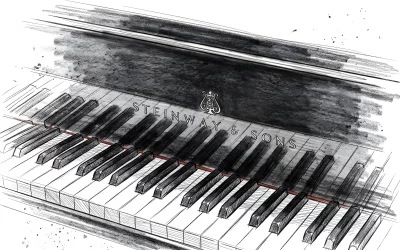
The Architecture of Permanence: What Steinway & Sons Teaches About Holistic Brand Experience
True brand excellence is a result of quiet, consistent alignment. By examining the anatomy of Steinway & Sons—from technical superiority to their digital-analog interface—we find a blueprint for modern brand architecture. An insight into how strategy and pixel-perfection merge to form a coherent, lasting legacy.
Rolex – brand analysis
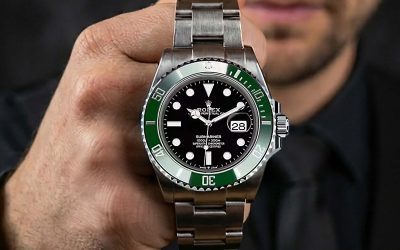
The Silent Authority of Consistency.
Growth often breeds ambiguity. As brands scale, strategy and execution inevitably drift apart. Rolex stands as the absolute antithesis to this blurring - a masterclass in philosophical calmness and radical coherence. In this analysis, I explore why brands with depth demand more than decoration and how the discipline of "Quiet Professionals" remains the gold standard for enduring brand leadership.
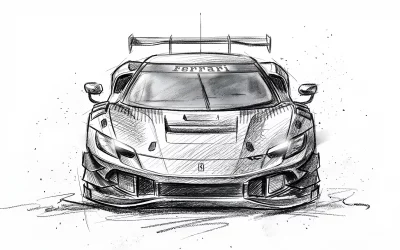
The Anatomy of Ferrari Design: Where Mathematical Precision Meets Human Emotion
Ferrari is more than a manufacturer; it is a masterclass in strategic coherence. From Enzo’s calculated arrogance to the mathematical perfection of surfaces where light never breaks, this analysis explores how Ferrari aligns every detail to protect its myth. Discover why true luxury is found in the integrity of what you refuse to compromise.
Jony Ive & Terra Carta: The Evolution from Minimalism to New Opulence
Is the era of sterile minimalism over? From the "White Room" at Apple to the botanical complexity of the Terra Carta Seal, Sir Jony Ive is redefining the visual language of luxury. This deep dive explores the shift toward "Systemic Opulence," the crucial role of tactile haptics in a digital world, and why deliberate complexity is becoming the ultimate differentiator in the age of AI-generated design. A reflection on heritage, geometry, and the power of human intention.
The Myth of the “Oldschool” Archetype – Why Modern Brands Are Losing Their Soul
While technology evolves exponentially, human cognition remains anchored in primal patterns. In a world of 'Dribbbelized' interfaces and interchangeable brands, the archetype is not a relic of the past—it is the ultimate cognitive shortcut for trust. This article explores the transition from 12 base archetypes to 144 hybrid nuances, offering a strategic roadmap to bridge the gap between abstract identity and pixel-perfect execution. Because brands with depth demand more than decoration.
No results found.
OBSERVATION
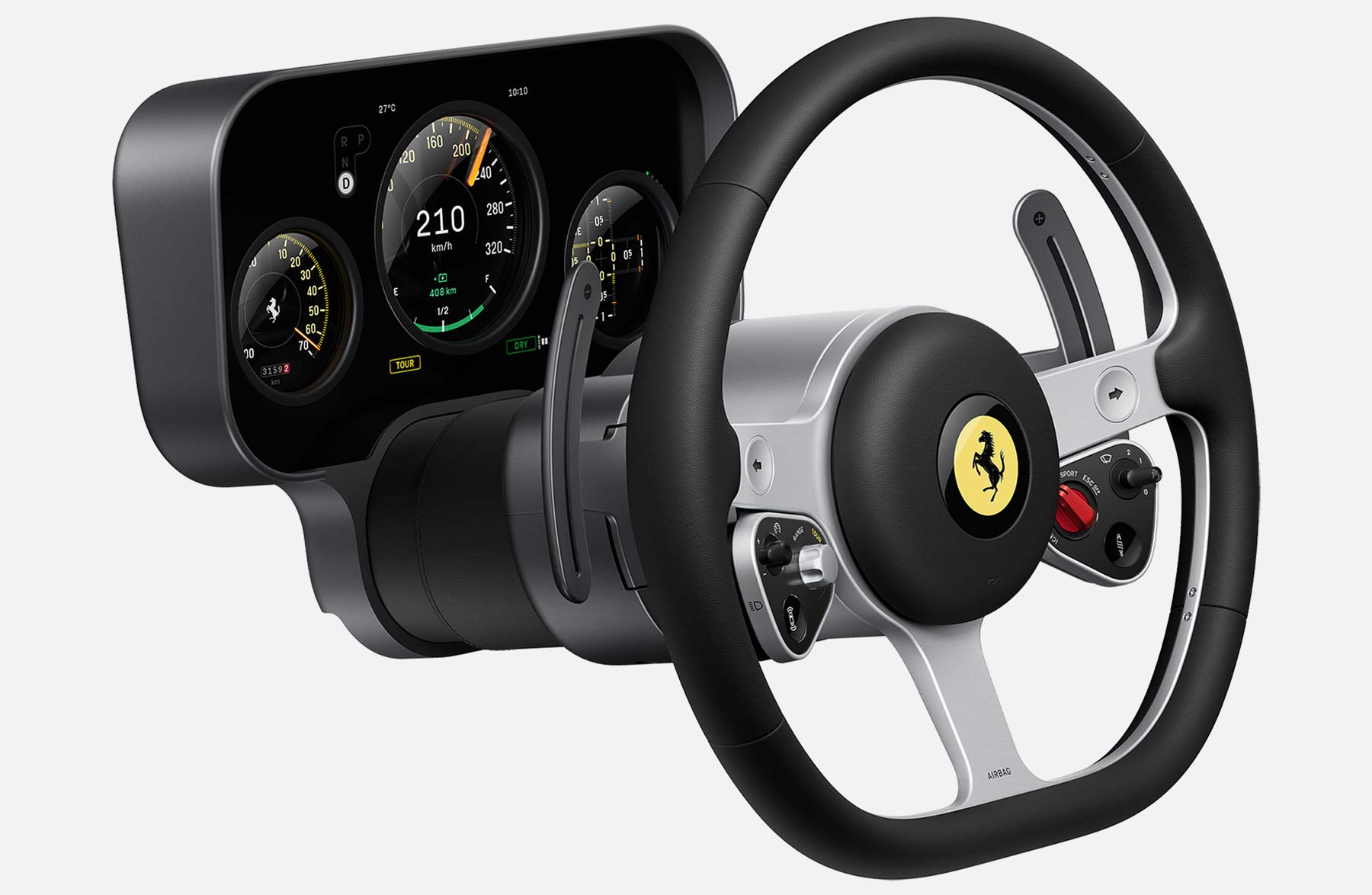
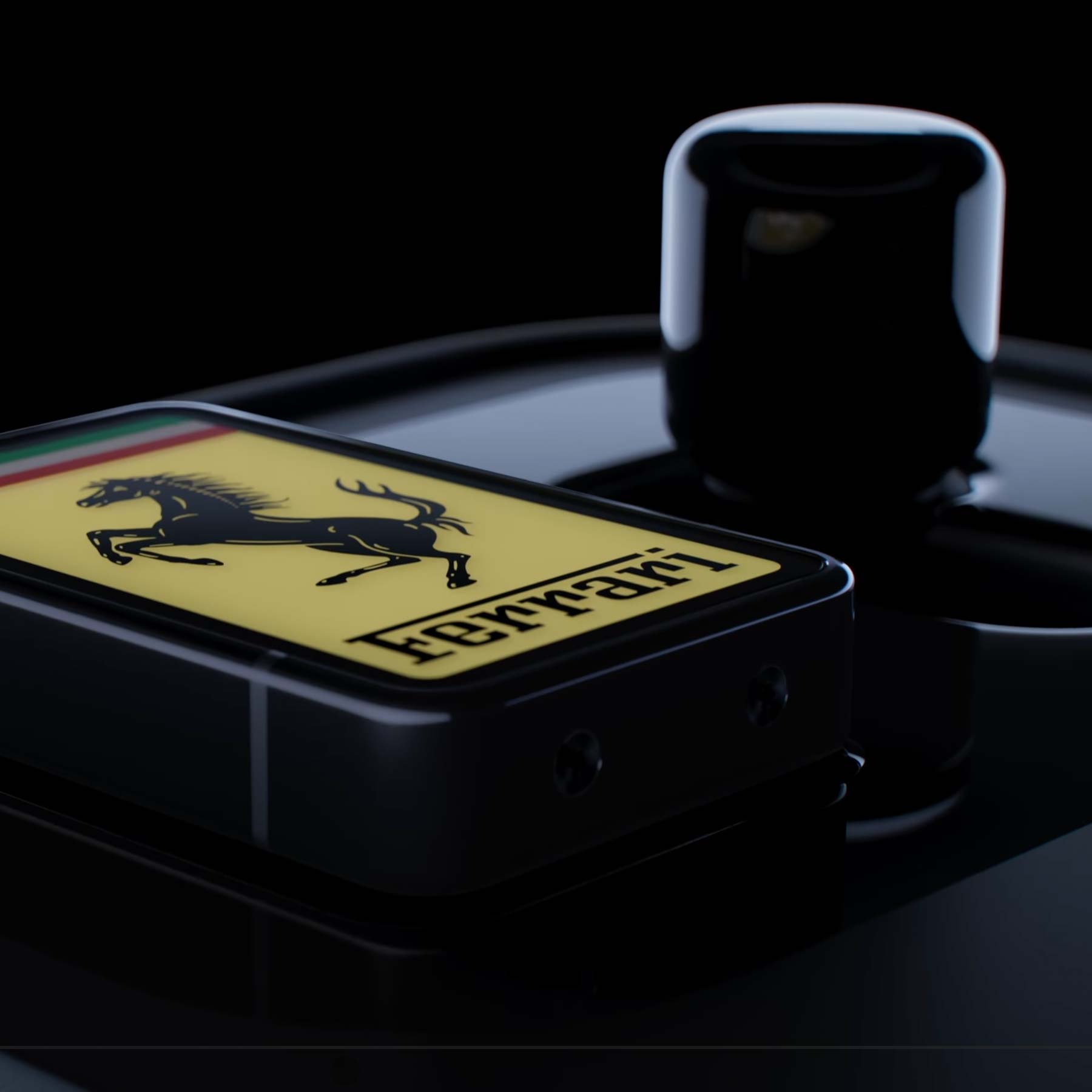
Jony Ive and Marc Newson are bringing the haptics back into the Ferrari
Most car manufacturers are racing for the biggest digital screen. But I don’t want to touch “coldness” when I drive. It doesn’t feel premium, and it’s not worthy of the Prancing Horse. It lacks soul. A Ferrari deserves a symbiosis—a marriage of physical switches and digital precision.
The LoveFrom Approach:
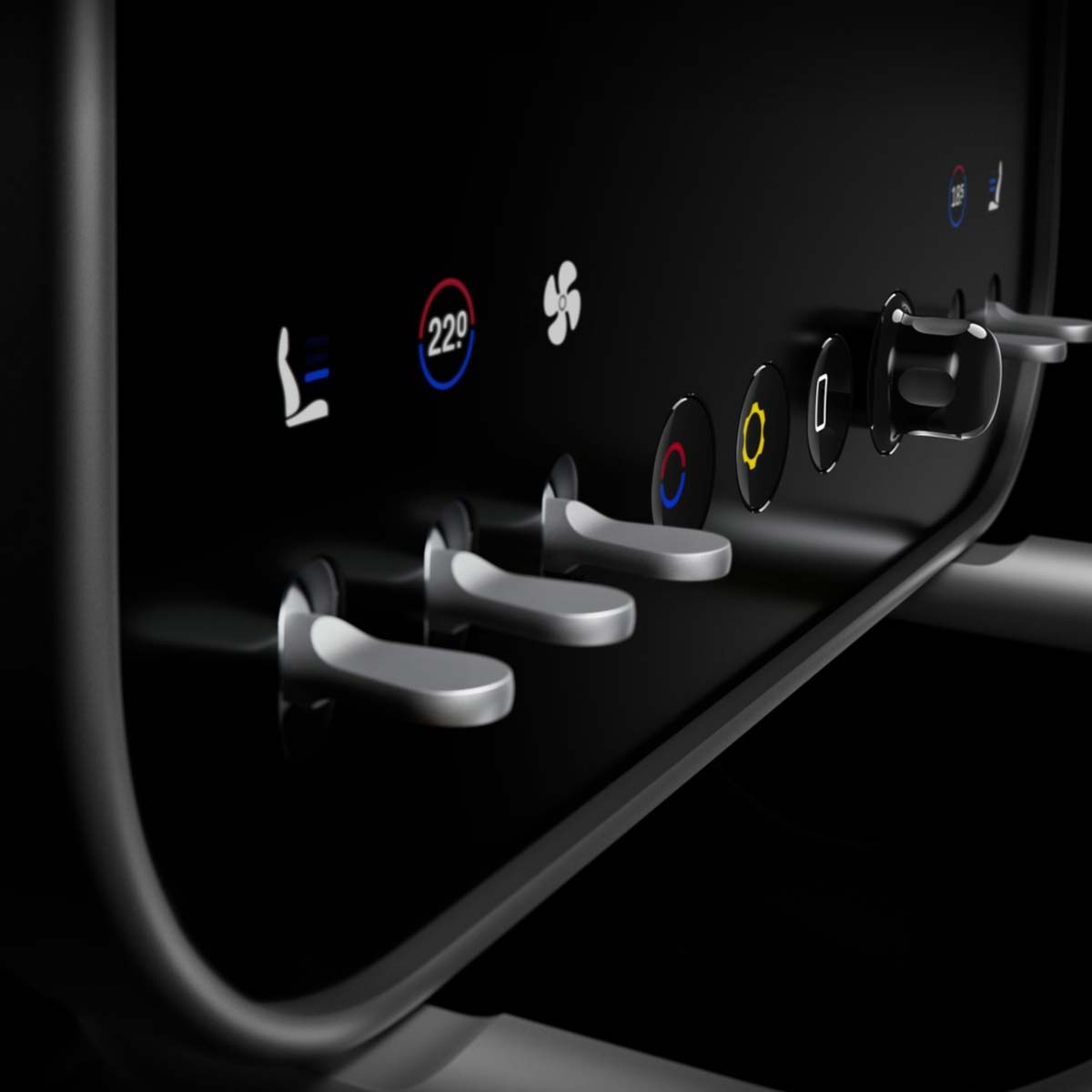
The Strategy: Solving the right problem: Jony Ive (LoveFrom) understood something others missed: The iPhone needed a screen because it has to be everything(camera, map, phone). But a car has one primary purpose: Driving. By bringing back fixed controls, he gives the driver back their focus.
Tactile & Auditory Excellence: Machined aluminum and glass controls. Every toggle produces a crisp, mechanical “click.” It’s the acoustic signature of precision. You don’t need to look; you feel the quality.
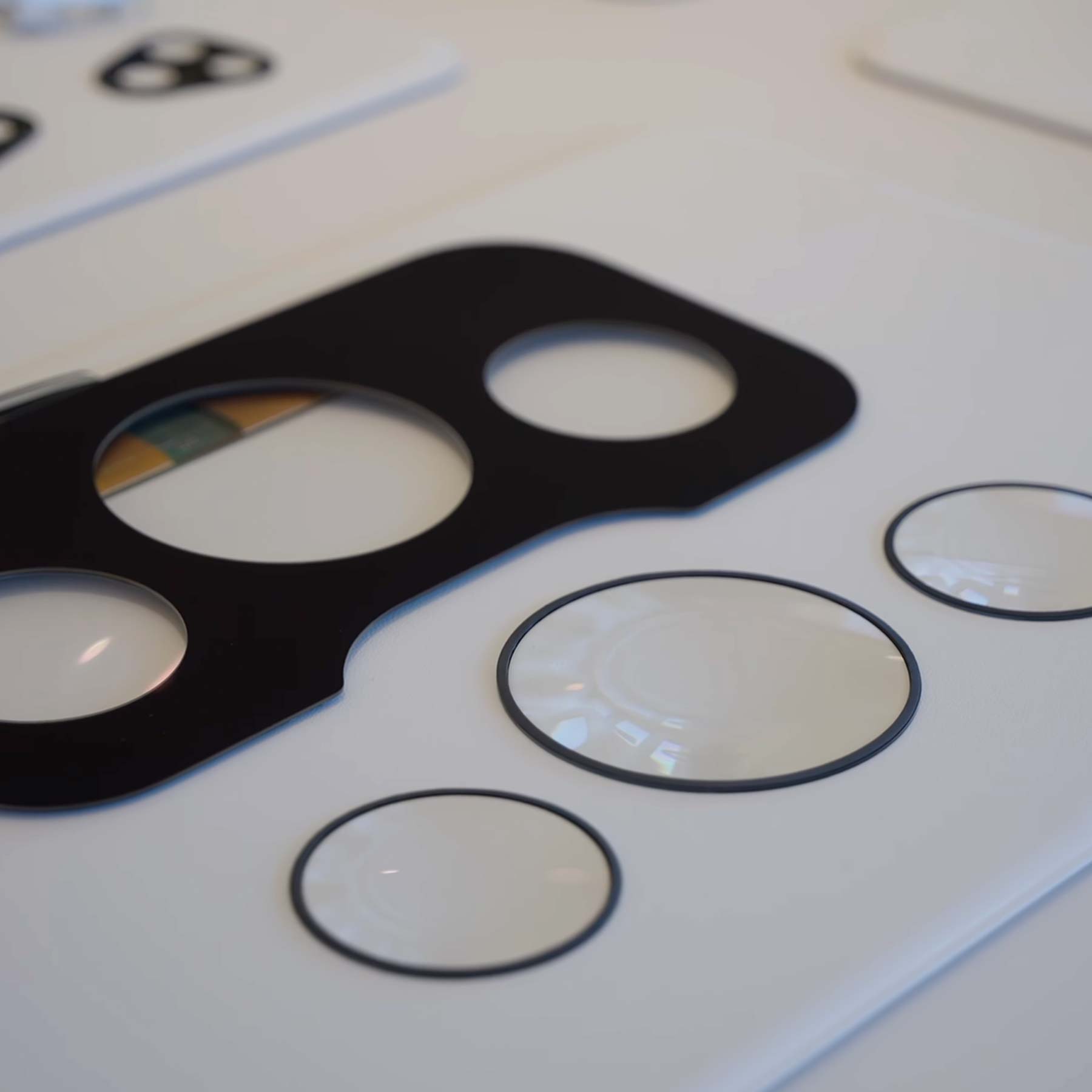
Invisible Quality: The glass knobs are laser-cut with 13,000 microscopic holes just to let light pass through a solid black surface. You don’t see the effort, but you feel the magic.
Functional Stability: They even added a dedicated handle next to the screen—not just for aesthetics, but to stabilize your hand so you don’t miss a button while driving over a bump. That is true User-Centric Design.
Visual Artistry: They are literally cutting holes into OLED screens to integrate analog dials with a stunning parallax effect. Wildly unnecessary? Perhaps. Absolutely essential for the soul of the machine? Yes.
A bit of critique: I’d love to see the “dimming effect” of the gear shifter translated to the UI—making digital transitions feel as organic as the physical ones.
The Takeaway: Thoughtfulness. In a world of “fast AI,” we often overlook the most important ingredient: Deep Care. Everything in this cockpit has a purpose. Design isn’t just how it looks; it’s the thoughtfulness behind every click. That is the true definition of Premium.
Thoughts on AI as a Design Discipline
Artificial intelligence evolves fast. New tools appear every day, promising faster workflows and instant results.
In digital product design, the critical interface lies between design and code. Well-structured design systems, pattern libraries and layouts can already be interpreted by modern design-to-code pipelines — turning visual intent into usable code for environments such as React, React Native or Flutter. This code can then be refined further through AI-assisted development workflows and vibe coding.
The real lever, however, is not the tool. It is the quality of the design system, the clarity of the structure and the strategic intent behind it. AI can accelerate production and improve consistency. But transforming generic design and generic strategy into code will never result in a great product.
Low bounce rates, strong KPIs and meaningful OKRs are achieved long before automation begins — through clear thinking, precise design decisions and a deep understanding of the product and its users. AI supports the process. Direction remains a human responsibility.
If my clients do not want any AI involvement during the process, I can easily do without it.
Wir verwenden Cookies, um die Funktionalität des Shops zu gewährleisten und um die Nutzung der Website zu analysieren.
Funktionale Cookies sind für den Betrieb des Shops notwendig und werden automatisch gesetzt. Analyse-Cookies, z. B. Google Analytics, werden nur nach deiner Einwilligung aktiviert. Du kannst deine Einwilligung jederzeit in den Cookie-Einstellungen ändern oder widerrufen.