by Christoph Gey | Oct 12, 2026 | User Experience
AI-generated images can look flawless and still feel wrong. In a live A/B test with 3,680 page views, the version with real people earned 13% more clicks. This essay explains the Uncanny Valley in the age of generative AI and why brands now face a new question: not “Does it look real?” but “Is it real?”

by Christoph Gey | Sep 25, 2026 | User Experience
Church bells and push notifications, confession and the Genius Bar: an essay on the psychological architecture shared by ritual and interface design and where the analogy breaks down.

by Christoph Gey | Aug 17, 2026 | User Experience
Audience logic asks who someone is. Perception architecture asks what state they’re in and why that question changes everything about how digital products should be designed.
by Christoph Gey | Aug 10, 2026 | User Experience
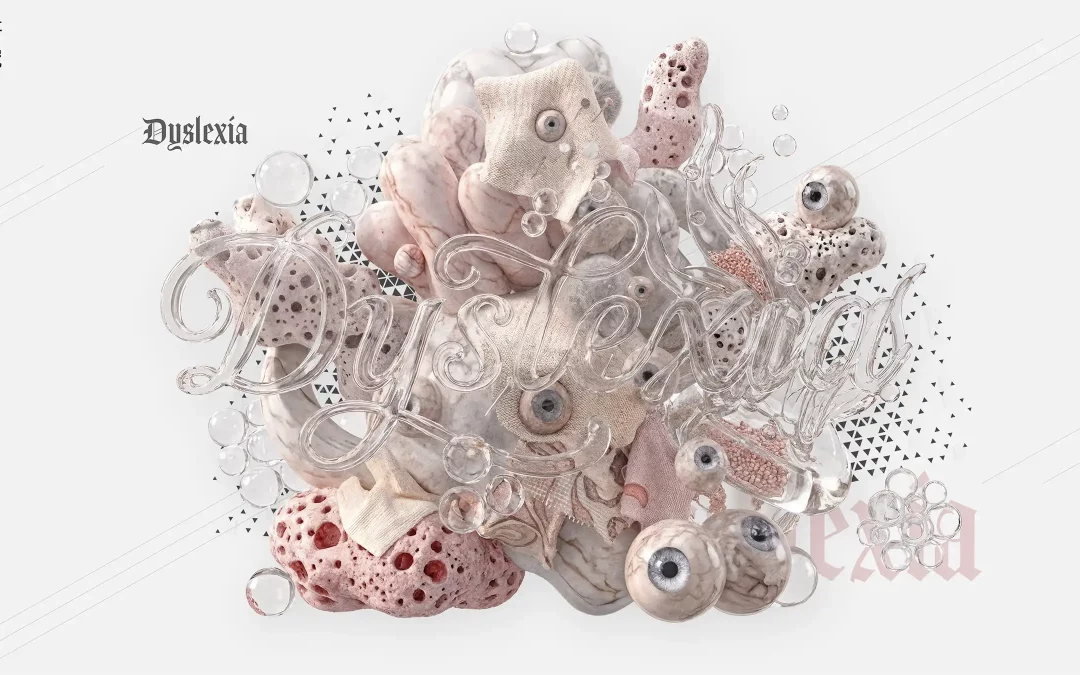
How do you design digital products for people with dyslexia? An essay on typography, structure, and the neuroaesthetics of real accessibility.
by Christoph Gey | Jun 24, 2026 | User Experience
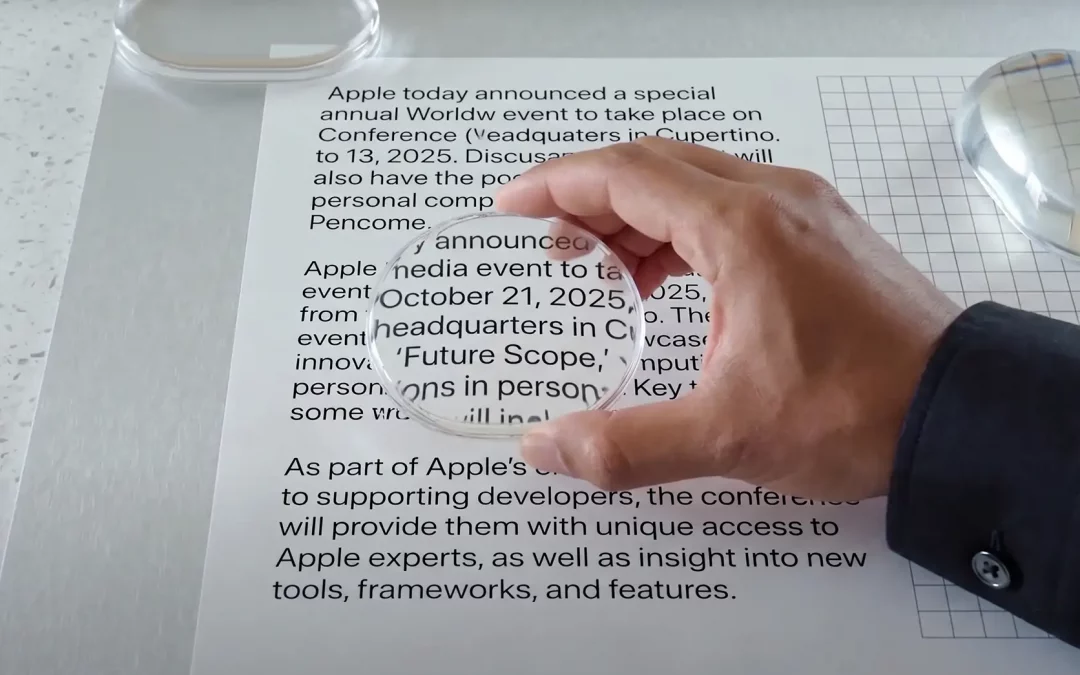
Methods have a bad reputation in the creative industry. They are seen as a crutch – a confession that inspiration has failed. The opposite is true. I used them from A Bola to Audi: ten tools for anyone stuck in a creative block who needs a precise way out.

by Christoph Gey | Jun 10, 2026 | User Experience
The human brain refuses to be a target audience.
I learned that not in a design studio. I learned it during my civil service — working with people living with schizophrenia, borderline disorder, and severe depression.
What I saw there became a design principle I’ve never been able to shake: behind every reaction is a history no dataset captures.

by Christoph Gey | Apr 27, 2026 | User Experience
Why do giants like Chick-fil-A or B&H close on Sundays? An analysis of how radical renunciation builds authenticity and deep customer loyalty.

by Christoph Gey | Apr 3, 2026 | User Experience
Why do we love certain brands while others fade into noise? Discover the neurobiology of choice. From “System 1” thinking to the “Ideal Self,” learn why design is actually navigation through the unconscious – and why logic only shows up to justify what our emotions have already decided.
by Christoph Gey | Mar 25, 2026 | User Experience
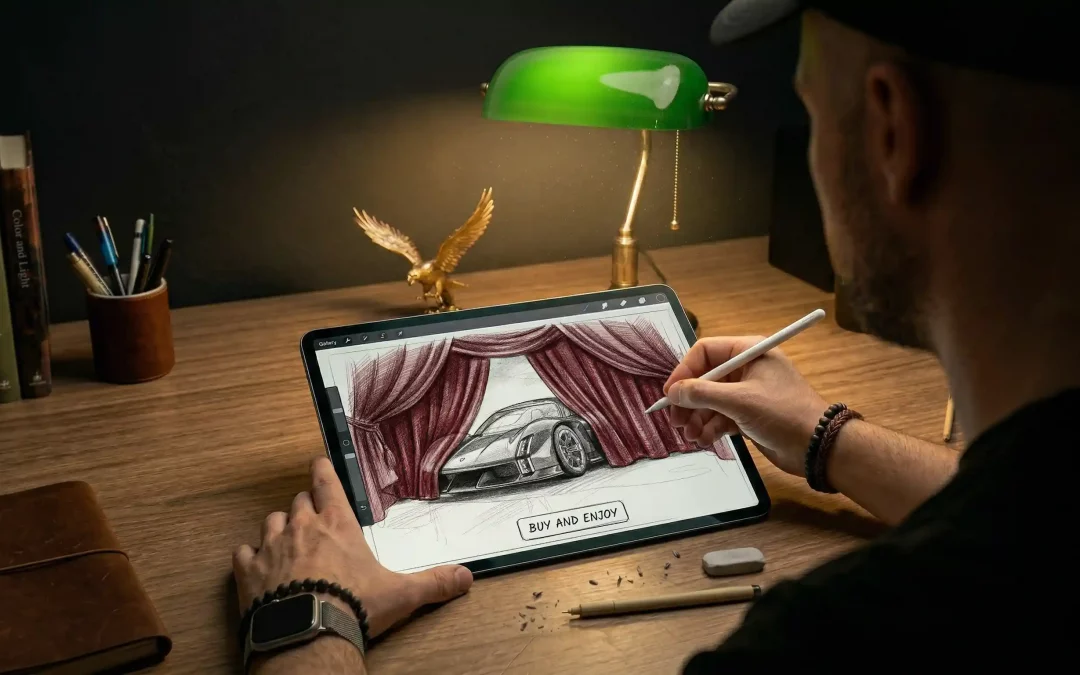
“In the luxury segment, efficiency is often the enemy of desire. In this essay, I examine ‘The Golden Second’ and explain why frictionless UX can inadvertently devalue high-end brands. Discover how the principle of the ‘Digital Velvet Curtain’ and psychological depth create digital ceremonies that protect and sustain your pricing power.
by Christoph Gey | Mar 25, 2026 | User Experience
In the digital world, familiarity is often equated with usability. We are told that “frictionless” is the ultimate goal. But in the high-end segment, too much familiarity is dangerous. If every interface follows the same hyper-optimized patterns of a...