
Essay — Creative Process
Shaping an Idea
10 Methods for Constructing Visual Brand Expression
Methods don't replace creativity. They make it possible.
The Case
for Method
Methods have a bad reputation in the creative industry. They are seen as a crutch — a confession that inspiration has failed to arrive. The opposite is true.
When I began the rebranding of A Bola — Portugal's oldest sports newspaper, now part of Ringier — I was faced with a brand that carried weight, history, and recognition. That was precisely what made it hard to move. No intuition would have told me where to start. A method did.
I broke the brand down into its core elements and systematically reassembled them in new configurations. What emerged was not a careful evolution. It was a reinterpretation — more contemporary, more precise, and yet recognisably related to what had come before. The method did not replace the creativity. It created the space in which creativity became possible at all.
What follows are not shortcuts. These are the builder's tools — for anyone stuck in a creative block who needs a precise way out.
The 10
Methods
Ten tools from different disciplines. Each one breaks a different kind of block.
01 Oblique Strategies
MethodBrian Eno developed a deck of cryptic instructions, originally for music productions at a dead end. In branding, they work just as well. A card like "Honour thy error as a hidden intention" forces you not to correct a graphic mistake, but to interrogate it: what was this error actually trying to say?
The result is rarely what you expected. That is the point.
02 The Morphological Box
MethodYou break the branding down into its fundamental elements — form, colour, materiality, rhythm — and combine them systematically in a matrix. Including the absurd combinations. Especially the absurd ones.
PracticeIn the rebranding of A Bola, this was the key. All assets were isolated and reassembled in new constellations. The reinterpretation had an entirely different, more contemporary quality — not because I had planned it that way, but because the matrix forced connections the eye alone would never have found.
03 Forced Connections
MethodAn object foreign to the brand is injected as a metaphor into the design process. You are not looking for similarity — you are looking for friction. That friction forces the visualisation to find new forms of symbolism.
PracticeFor a ZEWA microsite, the paper roll was staged consistently like the iconic, cylindrical Mac Pro. Not an obvious comparison — which is exactly why it worked. The friction between the two worlds produced a visual language that product-category thinking alone could never have generated.
04 Reverse Brainstorming
MethodNot: how does this branding become excellent? But: how do I ruin it as completely as possible?
Deliberately constructing failure exposes fracture points that remain invisible in the normal process. What are the three surest ways to destroy this brand visually? Those answers are the most precise indicators of what is genuinely worth protecting.
05 SCAMPER
MethodSeven filters — Substitute, Combine, Adapt, Modify, Put to other uses, Eliminate, Reverse — applied systematically to an existing design element. Not as a creative exercise, but as a stress test: each modification is a question directed at the core of the visual statement.
PracticeFor the corporate design of Sport Media Alliance (SMA, Ringier Sports), the A Bola branding served as the source material. The diagonal elements of the existing system were replaced with arrows — referencing Saint Sebastian, patron saint of sport — then recombined into new forms. Three SCAMPER filters, distilling a new independent identity from an existing system.
06 Synectics
MethodYou leave the design terrain and transfer principles from foreign disciplines: structural engineering, biology, liturgy. A brand identity is no longer drawn, but planned like a load-bearing structure or a growing organism.
PracticeOn the global Audi branding — in collaboration with Strichpunkt — Jochen Rädeker recommended exactly this: all design principles should be drawn from life, primarily from road traffic. Reflections on high-visibility vests. Panel gaps in automotive manufacturing. The light of headlamps. Not mood boards from the design discourse, but the material of the reality the brand itself comes from.
07 Visual 6-3-5
MethodSeveral designers sketch three visual approaches each within fixed time intervals — then pass them on. The next person adds, corrects, breaks open. Without tearing down the foundation.
What emerges is not a compromise. It is a solution hardened by the friction of multiple perspectives. The individual's ego has no place here — and that is precisely why the result is stronger than what any one person could have produced alone.
08 Semantic Mapping
MethodYou map the field of brand values — but not with words. With sketches. With material samples. With what something feels like before it can be named.
The mapping makes the hierarchy of elements visible before the first pixel is placed. It is the blueprint that later prevents individual decisions from destabilising the system.
09 Six Thinking Hats
MethodA design is examined from six perspectives: emotional, analytical, optimistic, critical, creative, procedural. Not simultaneously — sequentially. Each perspective fully exhausted before the next begins.
The black hat looks for structural weaknesses. The yellow evaluates the potential for impact. Together they form an internal veto system against blind spots — and against the aesthetic infatuation with one's own work that eventually overtakes every creative.
10 Material Moodboarding
MethodNo Pinterest boards. Physical materials that represent the spirit of the brand — wood, steel, stone, paper, glass. Not as decoration, but as decision.
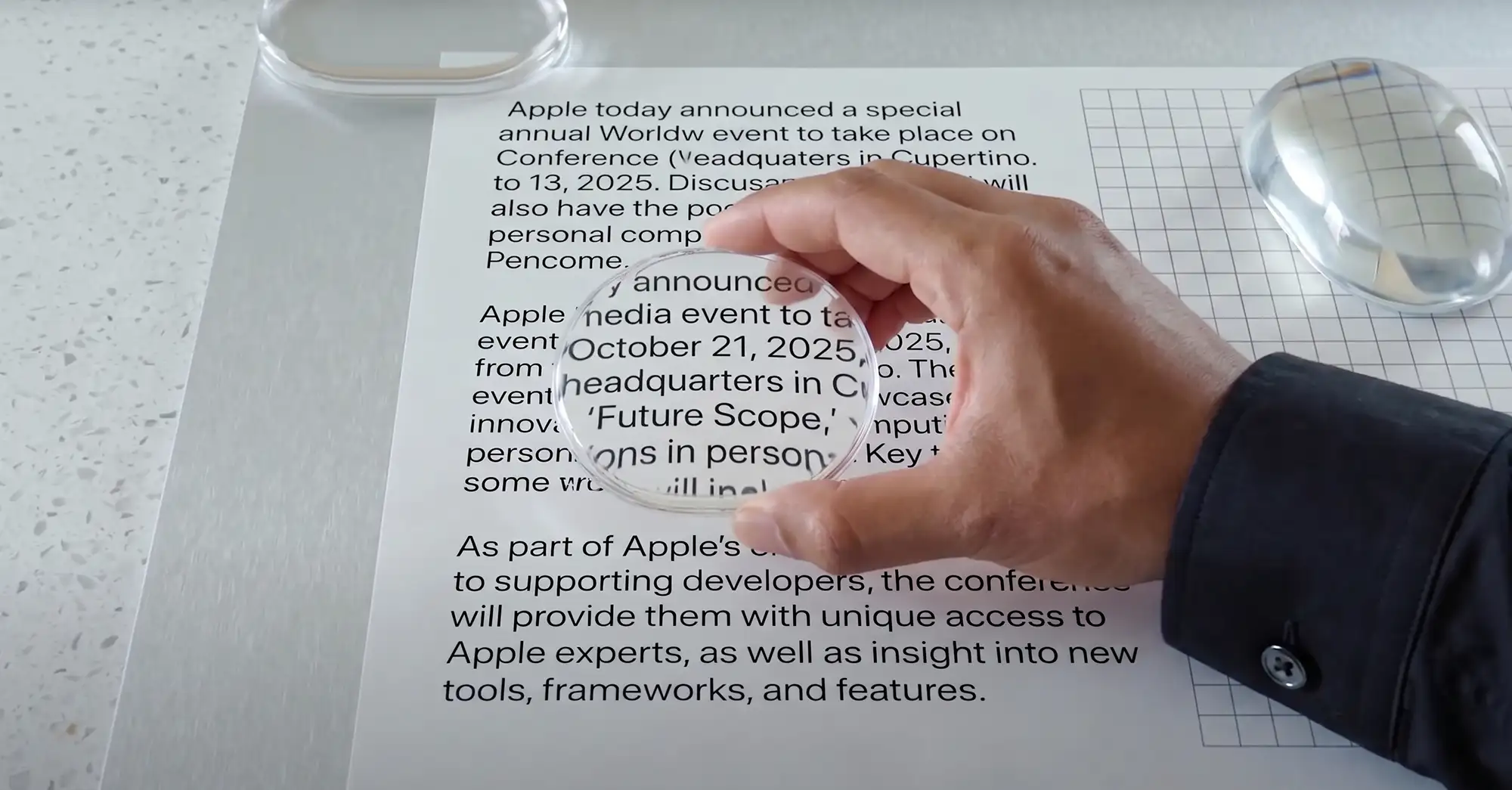
PracticeApple did exactly this when developing Liquid Glass — sliding physical lenses over printed text, making the effect tangible in the real world before it existed as an interface. The haptic archive sets the direction for typography, weight and colour tone — before any discussion begins.
The Only Advantage
That Repeats
Creativity does not need permission to use method. It needs method as permission — as the structure within which the unexpected can emerge at all.
Whoever knows the tool does not know the result. But they know the way there. And that is the only advantage that can truly be repeated.

About the Author
These essays are written by Christoph Gey, an independent Creative Director and Digital Product Designer based in Germany. With over 15 years of industry experience, his work focuses on the strategic intersection of premium branding and complex digital products.
Within these articles, he explores the deeper mechanics of design - ranging from brand strategy and user experience to neuroaesthetics. True to the philosophy that form follows meaning, these insights are crafted for decision-makers who believe that enduring brands demand substance, not just decoration.
MORE ESSAYS
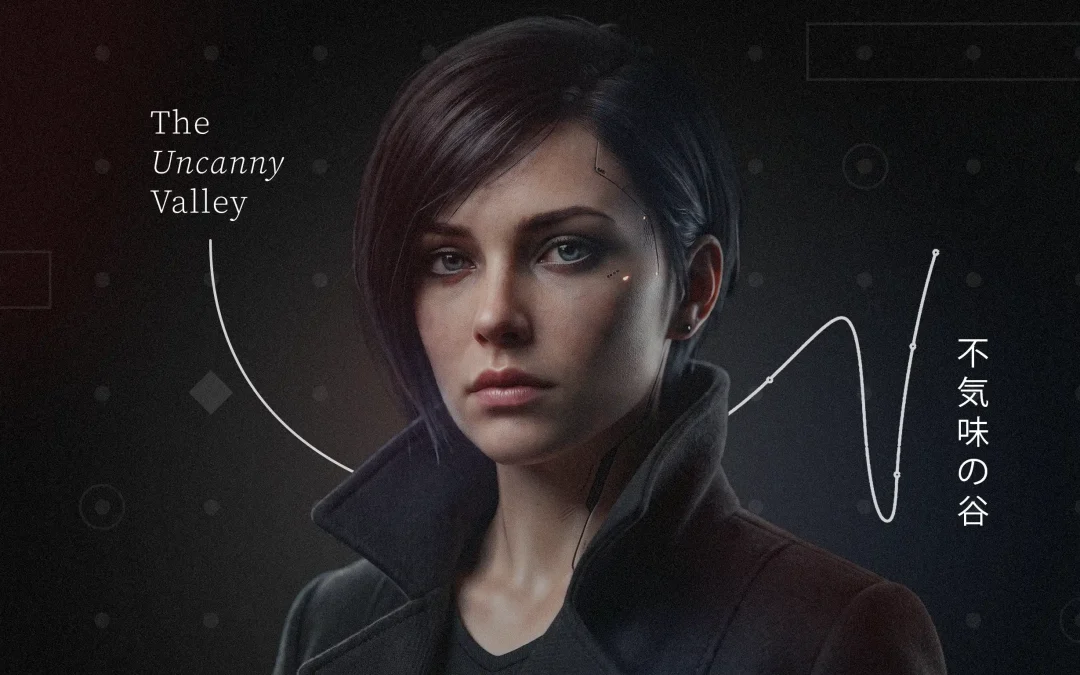
Uncanny Valley – AI authenticity
AI-generated images can look flawless and still feel wrong. In a live A/B test with 3,680 page views, the version with real people earned 13% more clicks. This essay explains the Uncanny Valley in the age of generative AI and why brands now face a new question: not “Does it look real?” but “Is it real?”
Win every pitch
Fifteen years of helping agencies win their dream clients, distilled into 15 tips. Why winning shouldn’t be the goal, why a pitch is only a first meeting, and what really makes a client say yes.
The Liturgy of the Interface
Church bells and push notifications, confession and the Genius Bar: an essay on the psychological architecture shared by ritual and interface design and where the analogy breaks down.
Scarcity and luxury brand discipline
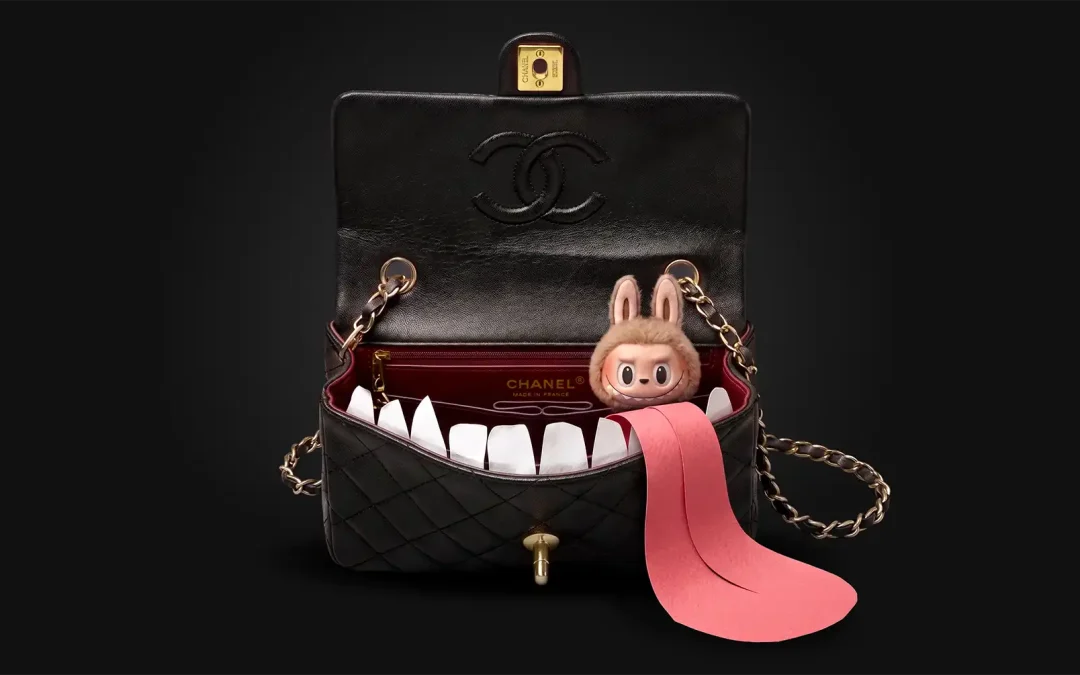
Scarcity isn’t one tactic – it’s three. From fake e-commerce timers to Labubu’s collapse to Chanel’s century-long price discipline, here’s what actually separates them.
Louis Vuitton Design Systems
Louis Vuitton never chose between reach and exclusivity. Iit built a system that separates the two. A design-systems lesson for brand and product teams.
Luxury Brands – outlasting stormy (AI) seas
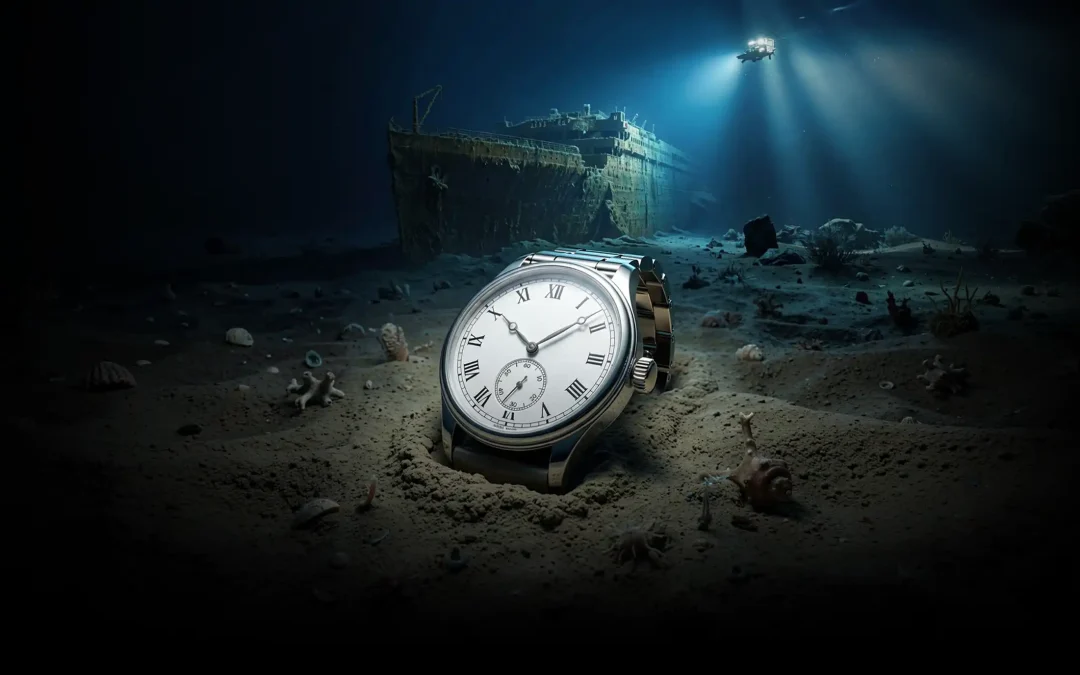
AI has made visual perfection cheap. And that creates a strange problem for luxury brands. For decades, the perfect image was scarce. It required photographers, locations, sets, retouching, craft, time. Now the image itself can be generated in seconds. So what happens when the surface of luxury is no longer scarce?
SELECTED WORK
A curated selection of branding and digital product design projects. My work focuses on creating coherent brand experiences that bridge the gap between human perception and functional utility, helping organizations translate complex strategic goals into enduring digital products.



International Freelance Creative Director & Digital Product Designer
Let's create something meaningful together
I love what I do - for me, design is less of a job and more of a calling. That's why I enjoy working with ambitious individuals and mid-sized businesses just as much as I do with global players. If you bring that same passion to your project, I’d love to hear from you. Let’s find out together how we can take your vision to the next level.