by Christoph Gey | Aug 24, 2026 | Design Philosophy
Why does real craft grow more valuable, not less, in the age of generative AI? A practitioner’s case, backed by research on effort justification and the IKEA effect, for keeping the first line human and where AI genuinely earns its place in the process.
by Christoph Gey | Aug 17, 2026 | Design Philosophy
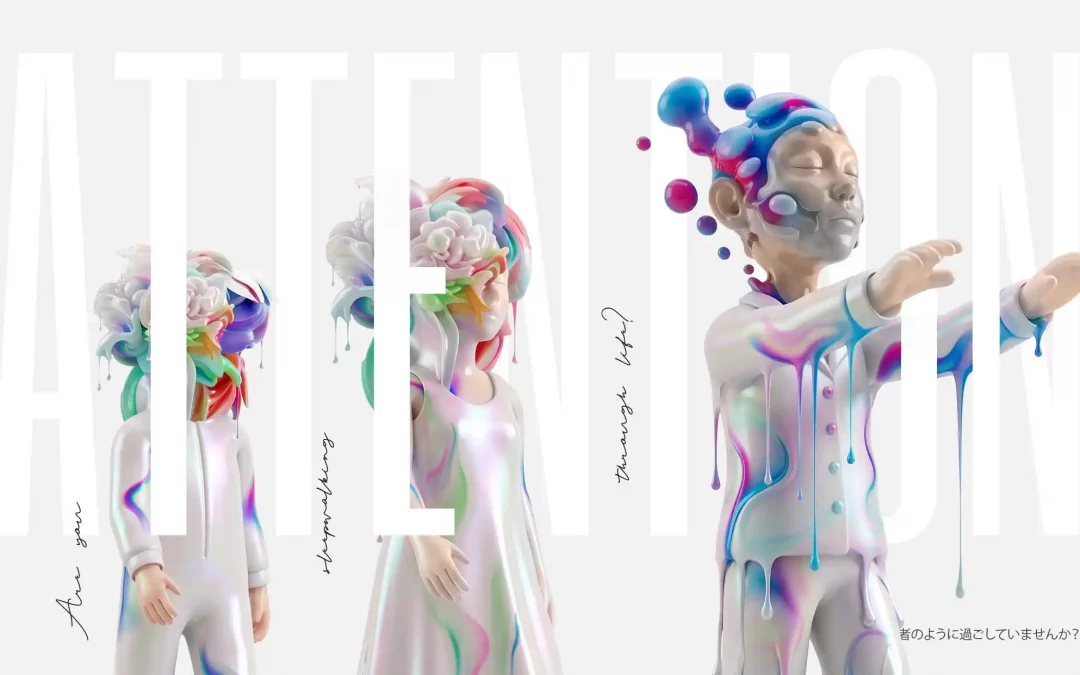
Attention is the creative director’s most underrated weapon. An essay on sleepwalking through creative work and the discipline of never looking away.
by Christoph Gey | Jul 1, 2026 | Design Philosophy
Every contact leaves a trace. Not an impression – evidence. A forensic reading of what brands actually deposit in the minds they touch, and why volume alone builds nothing but noise

by Christoph Gey | Jun 26, 2026 | Design Philosophy
Working in luxury branding while driving a Dacia. Designing desire for others while deliberately choosing things that need no logo. This is not a contradiction. It is the distance I need to do the work well.

by Christoph Gey | Jun 22, 2026 | Design Philosophy
A student promises total dedication. The master doubles the time. This essay explores why obsession alone slows mastery down and what creative directors can learn from a swordsmith who already knew.
by Christoph Gey | Jun 15, 2026 | Design Philosophy
Ego and self-confidence have always been a topic in the design industry.
Everyone has an opinion on it.
Few talk about the moments where they got it wrong.
The difference is smaller than you think and larger than you hope.
Ego protects your idea. Self-confidence protects the best idea. Whoever had it.
Three stories from my own work where that distinction made all the difference.

by Christoph Gey | Jun 15, 2026 | Design Philosophy
Taste is not a matter of opinion. It is a system. Built from biology, culture, class and training. And only at the very end: from the individual. An essay on what good taste actually is and why even refined judgment remains a trap.

by Christoph Gey | Jun 5, 2026 | Corporate Design, Design Philosophy
Technology evolves exponentially, while human biology remains static. Christoph Gey dissects how modern branding and algorithmic design exploit this gap to bypass rational thought. By analyzing psychological mechanisms like cognitive dissonance, this essay reveals how manipulation targets the brain’s emotional systems. Learn to recognize these “invisible threads” and discover a counter-model for design and leadership that prioritizes genuine authority and independent thinking.

by Christoph Gey | May 18, 2026 | Design Philosophy
An antique shop. A glass case. A ring we never touched — and could not forget. My wife and I felt the same thing, simultaneously, without a word between us: something dark. Something that should not have been there.
I have no interest in the esoteric. But I cannot pretend nothing happened. That would not be rational. Three explanations — psychometry, thin slicing, neural coupling — each accounts for part of what occurred. None accounts for all of it.
What followed changed my understanding of the work. Design communicates on two levels: one legible, one quiet. The second does not emerge from decision, but from disposition — from what a person brings to what they make. Viewers sense this. Not always consciously. But they sense it.
Whether feelings can be stored in matter is a question I cannot answer. What I know: they are stored in work. And one should be careful about what one allows to resonate.
by Christoph Gey | May 12, 2026 | Design Philosophy
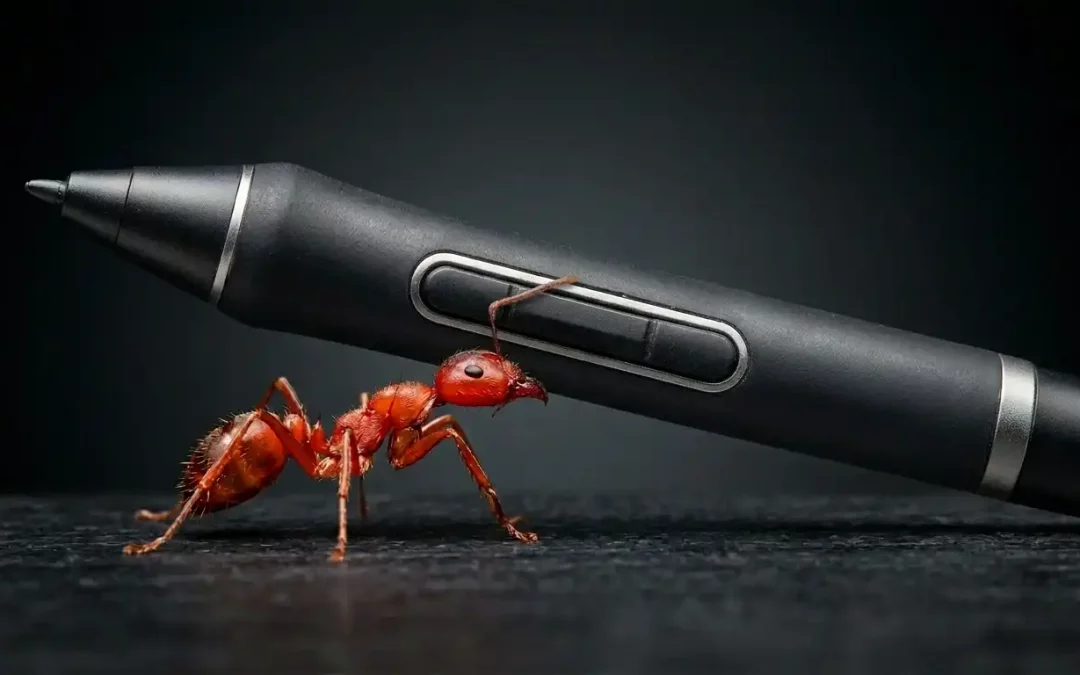
Diligence compounds talent. In this post, I reflect on why the most successful creatives aren’t just the ones with the best ideas, but the ones who refuse to stop when it would be easier to quit. A manifesto on craft, discipline, and the pursuit of the ‘perfect’ curve.