
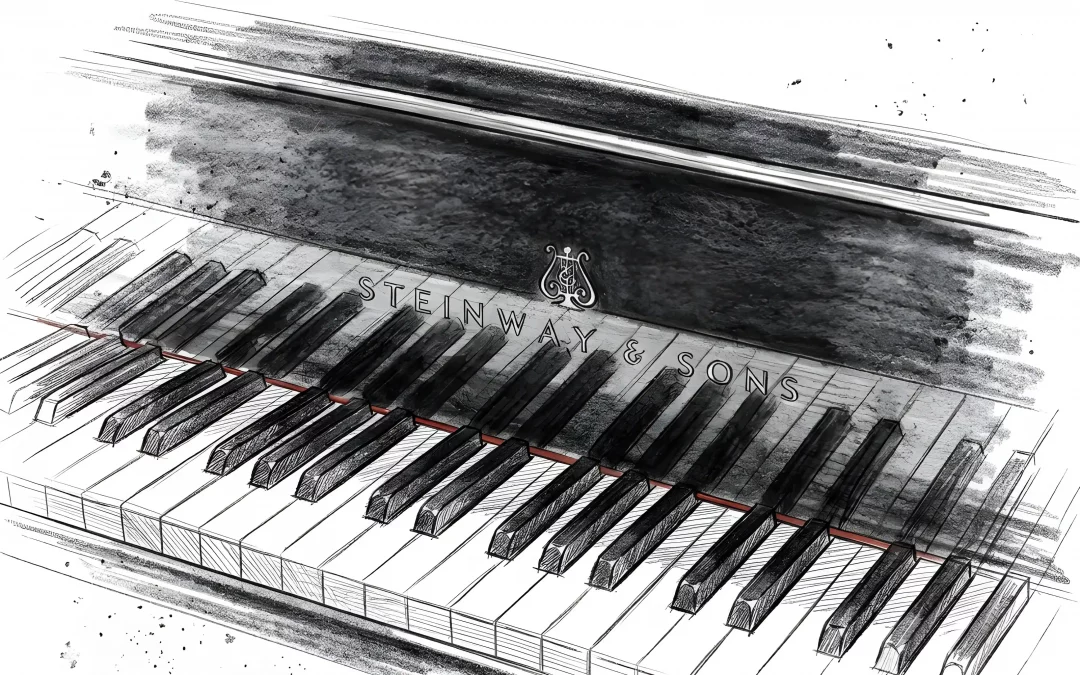
Silence. Then a single, clear tone fills the room, hanging in the air for seconds. It originates from an instrument consisting of over 12,000 individual parts, requiring nearly a year to manufacture, and held together by a cast iron frame [translated correctly from the original’s context, though original says steel] that withstands twenty tons of tension. Steinway & Sons builds concert grand pianos. For musicians, this name is the absolute measure of all things, the gold standard on 98 percent of the world’s stages. For the rest of the world, it is often just precise, golden lettering on deep black lacquer.
Yet the true masterpiece of this manufactory, founded in 1853, is not just the instrument itself – it is the unprecedented clarity of the brand. Brands with genuine depth require more than mere decoration. They demand an uncompromising symbiosis of strategy, product, and experience. Where other companies fray during growth, losing their contours and hastily slapping digital interactions onto analog products, Steinway rests securely within itself. An analytical look at the anatomy of an iconic product experience from which modern tech and luxury brands can still learn today.
The Foundation
Technical Superiority over Marketing
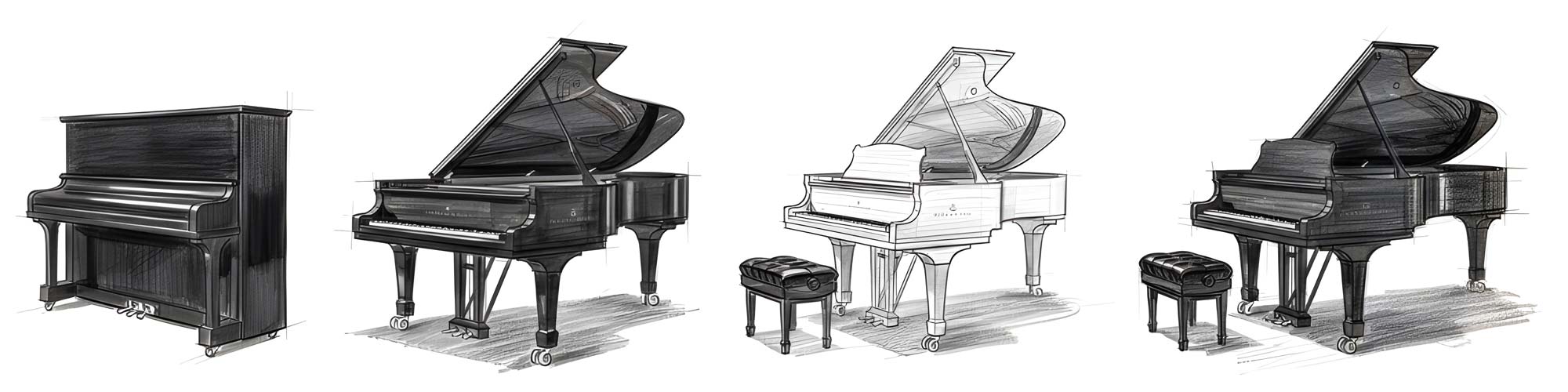
Every sustainable brand success begins with the product. Design without functional substance is worthless. Steinway didn’t start with a clever advertising campaign, but with over 125 patents. Through innovations like the cast iron frame and cross-stringing, they created a tonal and physical robustness in the 19th century that had never existed before. It is the same principle that later shaped Dieter Rams at Braun or Jonathan Ive at Apple: The product must be superior in its essence. A Steinway grand takes a year to build. The wood ages for years. This deceleration in a world of mass production is not an inefficiency, but the foundation of the brand promise. It establishes a tranquility and quality that cannot be copied.
Systemic Design
The Infrastructure Monopoly
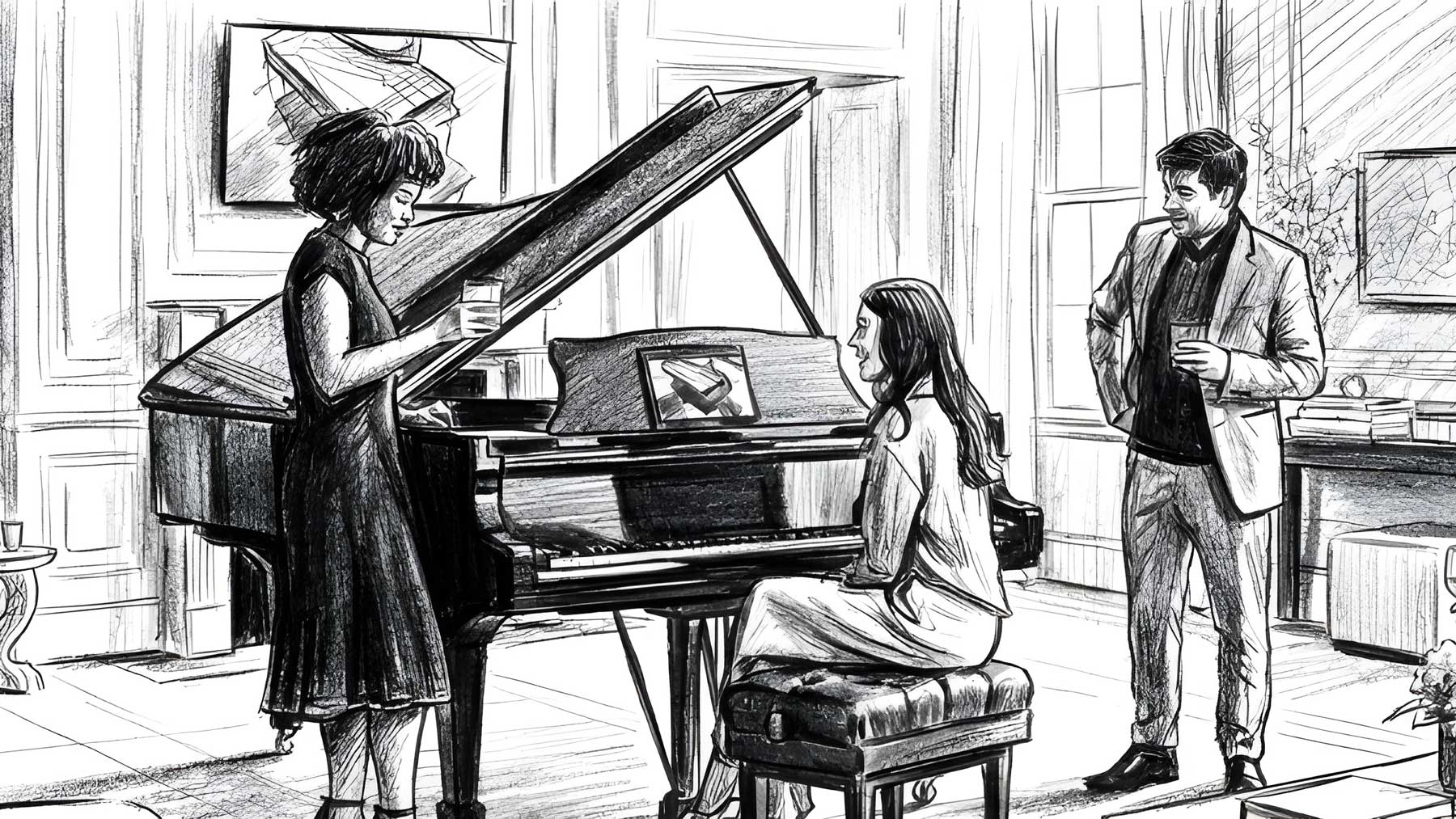
A great product alone is not enough if the user experience frays at the edges. Steinway thought systemically. Instead of merely sponsoring pianists, they built a worldwide infrastructure: The “Steinway Bank”. A concert pianist cannot take their instrument on tour. Steinway solved this user pain point by keeping perfectly maintained grand pianos ready in every major concert hall in the world. The “Steinway Artist” program is therefore not classic influencer marketing. It is a perfectly designed service ecosystem. Whoever wants to use this infrastructure binds themselves to the brand. Steinway defined the sound so dominantly that today it is anchored in our cultural memory as the “objectively correct” piano sound.

The Invisible Interface
Analog Soul, Digital Precision
Perhaps the most impressive step in recent brand history is their approach to digitalization. How do you digitize a 170-year-old wooden work of art without destroying its soul? With the Spirio system, Steinway found a masterful answer. A high-resolution self-playing and recording system integrated directly into the grand piano. But the genius lies in the interaction design: There are no screens on the piano. No flashing LEDs. No visible cables. The interface (the app) is deliberately offloaded to an external iPad. The physical product remains untouched in its aesthetics. When you press play in the app, you don’t hear speakers, but real hammers striking real strings. Steinway doesn’t use technology to replace the acoustic experience, but to expand it – for example, through Spiriocast, which mechanically broadcasts live concerts in real-time to grand pianos on the other side of the world. This is the prime example of a coherent brand experience: Technology serves the craftsmanship; it does not overshadow it.
Value Retention as an Investment
A Steinway is one of the few luxury goods that barely loses value over decades – often, its value even increases.
Longevity
A well-maintained grand piano lasts 80 to 100 years.
Price Development
Steinway regularly increases prices for new instruments, which keeps used prices stable. This makes the purchase not only a cultural decision for wealthy families, but also a financial one.
All-Steinway Schools
Securing the Next Generation
Steinway runs extremely clever B2B marketing that directly influences education.
There is the “All-Steinway School” designation (e.g., the Juilliard School in New York). To hold this title, at least 90% of an institution’s pianos must be from Steinway. The psychological effect: If a student learns on a Steinway for 10 years, they condition their hearing and their fingers to that specific touch and sound. Other brands will later feel “wrong” to them. This is customer retention before the customer even has the money for the product.
Defining the “Industry Standard”
This is perhaps the most subtle insight: Steinway has managed to dominate the tonal character of a piano so thoroughly that we consider it the objectively correct sound.
150 years ago, pianos sounded very different (Blüthner, Bösendorfer, Erard). Some were soft, others silvery, some percussive. Through its sheer presence in the 20th century, Steinway set a sound standard: Powerful, brilliant, orchestral. Today, many listeners often perceive the warmer, darker sound of an old European manufacturer as “muffled,” simply because their hearing is “programmed” to the Steinway sound. They have claimed the gold standard of sound.
The “Two-Brand Shield”
Steinway employs a classic sub-branding strategy so as not to dilute the value of the main brand with cheaper models.
Steinway & Sons
Only handmade in New York or Hamburg. No compromises. Price: “If you have to ask, you can’t afford it.”
Boston & Essex
To avoid surrendering the sub-€30,000 market to Yamaha without a fight, Steinway created these secondary brands. They are manufactured in Asia (often even by Kawai!), but “designed by Steinway.” The kicker: Anyone who buys a Boston piano often receives a trade-in promise: If you upgrade to a real Steinway within 10 years, the full purchase price of the Boston will be credited. This binds the customer to the ecosystem for life.

Spirit of Steinway
The Aura of Imperfection
Asian manufacturers like Yamaha are masters of precision. Every piano in a series sounds exactly the same – perfect, but “sterile.”
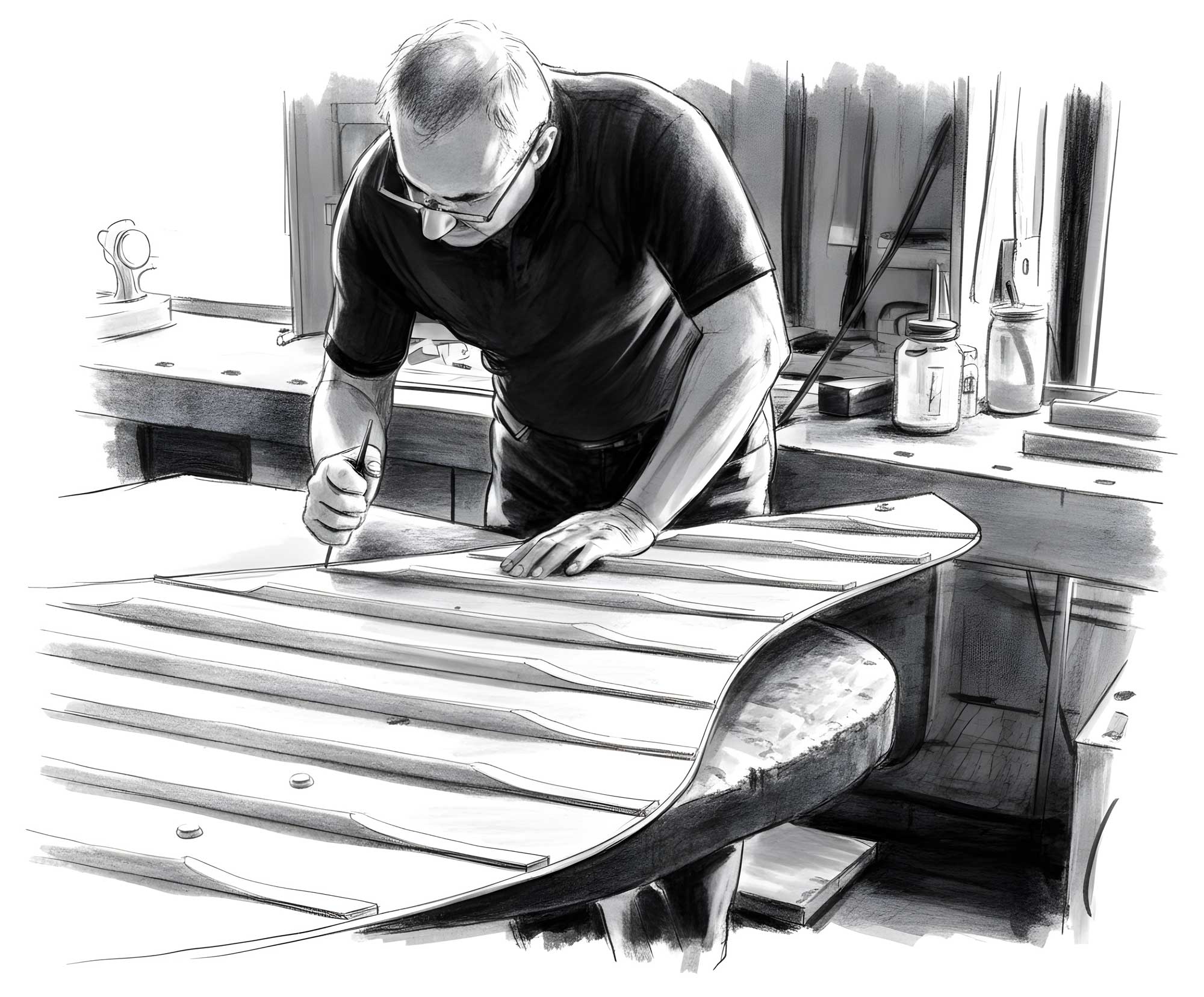
Steinway sells the opposite: Due to the enormous amount of manual labor (bending the rim from a single piece of wood, manually voicing the hammers), every grand piano is unique. They market variance as character. A pianist chooses “their” Steinway as if choosing a partner for life. This emotional component makes a price comparison with an assembly-line-produced Yamaha grand (which might technically even be more precise) impossible.
Conclusion
Back to the Essentials
Steinway teaches us: Successful brand building is not loud shouting. It is the quiet, consistent alignment of all details towards a single goal. From the wood drying in the manufactory to global logistics, right down to the pixel-perfection of the companion app – everything speaks the same language. When teams lose focus in the product and brand development process, it is usually because these layers are viewed in isolation. True excellence, however, only emerges in symbiosis. For exactly this reason, I only accept a strictly limited number of projects per year. Strategic depth, clean interfaces, and consistent execution require full focus – and the philosophical calmness to think things through to the end. Until the complex system feels as simple and natural as the touch of a piano key.



Let's create something meaningful together
I love what I do - for me, design is less of a job and more of a calling. That's why I enjoy working with ambitious individuals and mid-sized businesses just as much as I do with global players. If you bring that same passion to your project, I’d love to hear from you. Let’s find out together how we can take your vision to the next level.