The Quiet Authority of Consistency
Why brands with depth demand more than decoration. Brands grow. And with growth often comes blurred vision. Strategy, product, UX, and brand identity inevitably drift apart when the foundation is not strong enough. I see this often in my work: teams lose clarity, projects fray into isolated initiatives. Rolex is the absolute antithesis to this blurring. When we analyze how Rolex became the world’s most valuable watch brand, we don’t encounter loud marketing. We encounter a quality that has become rare in today’s design world: philosophical calmness and radical coherence. A symbiosis of strategic foresight and an obsession with the smallest detail.
The Foundation: Function before Decoration
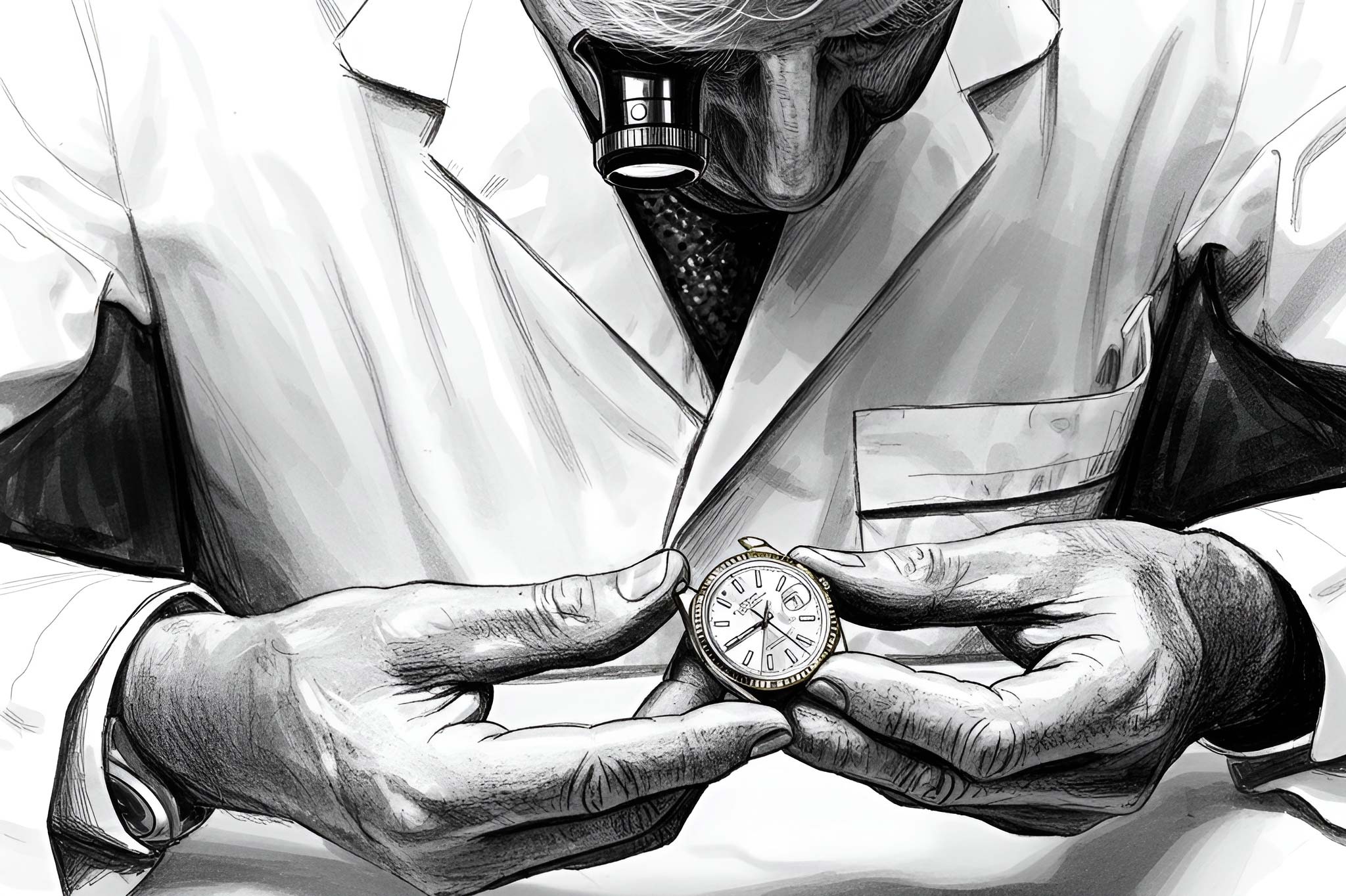
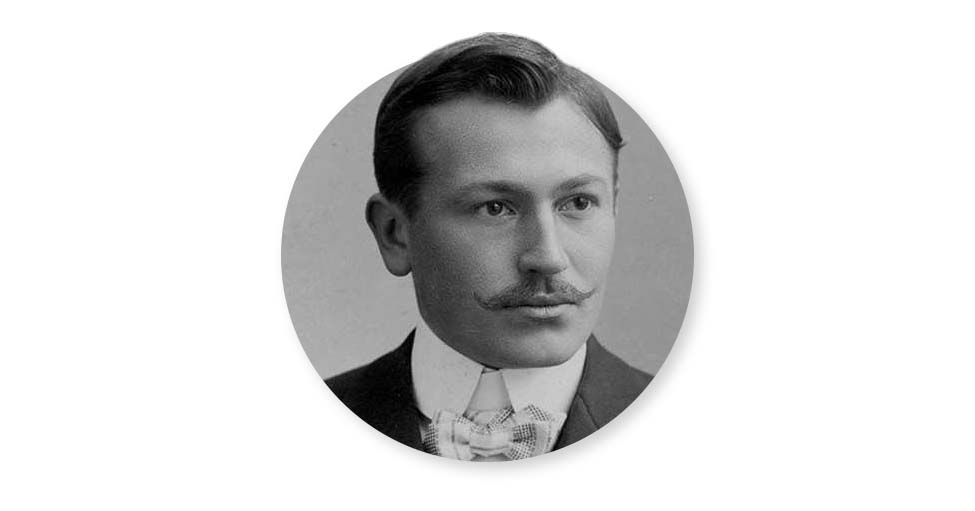
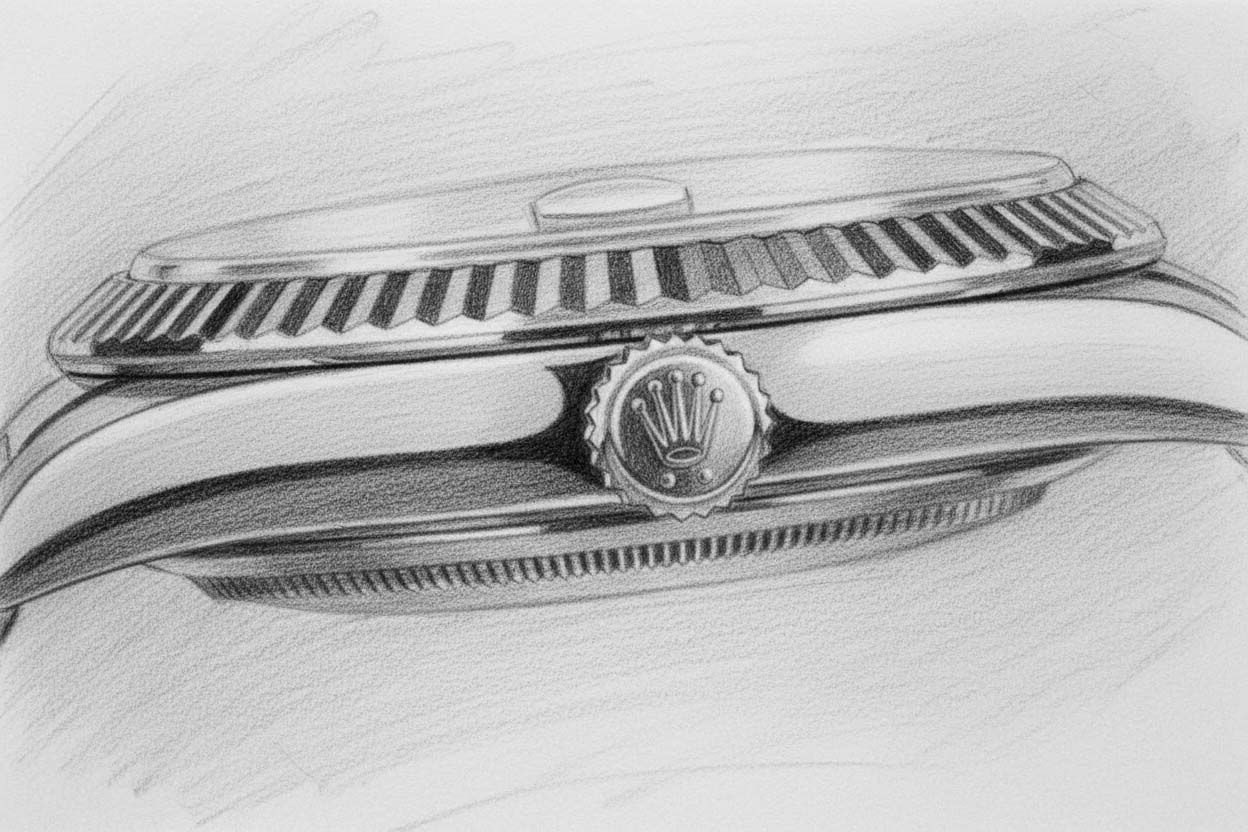
The history of Rolex begins in 1905, not with the desire to create a luxury symbol, but with the solution to a problem. Hans Wilsdorf’s vision was characterized by analytical depth: he didn’t want to decorate the case; he wanted to protect the interior. In 1926, Rolex presented the “Oyster” – the first waterproof wristwatch. The aesthetics were not the result of stylistic playfulness, but of pure engineering. As Dieter Rams would later phrase it: “Less, but better.” The fluted bezel, today an iconic feature, originally served to screw the case airtight. Design followed strategy. Without compromise.
The Architecture of Desirability: Strategic Rigor
Behind the mechanical precision stands an equally precise business strategy. Rolex has understood that value is created not only by the product, but by controlling availability.
The Psychology of Scarcity
Rolex produces an estimated one million watches per year – and yet the display windows are empty. This artificial scarcity is no accident, but a shield for resale value. It is the radical rejection of fast sales in favor of long-term substance.
The Ecosystem of Loyalty
Those who want a “Daytona” often first have to prove their loyalty by purchasing other models. You don’t just acquire an object; you work your way into an exclusive circle. This may seem exclusive, but it is strategically brilliant: it filters out speculators and binds genuine brand ambassadors.
Testimonials instead of Billboards
Rolex hardly runs classic “advertising” in the sense of sales promotion. They use the principle of association. When pioneers, statesmen, or actors like Paul Newman, Tiger Woods, or Yuja Wang wear a Rolex, the watch becomes a silent witness to history. The brand doesn’t have to scream; it lets the deeds of its wearers speak for themselves.
The Quiet Professionals: Design without Ego
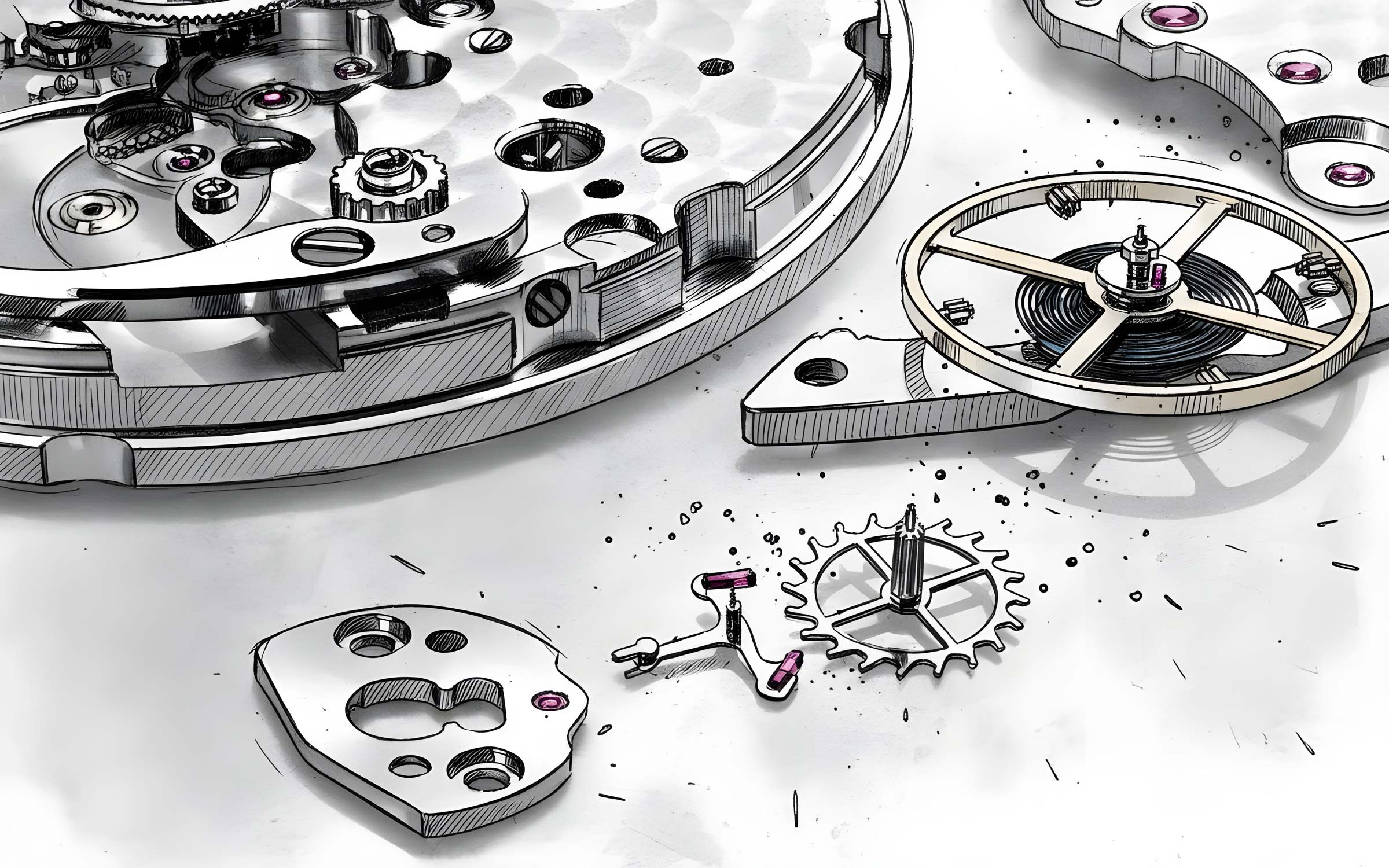
In an age of star-cult creatives, Rolex is a sanctuary of humility. Aside from exceptions like Gérald Genta’s work on the King Midas, design is a collective act. The designers work like “Quiet Professionals.” There is no ego that wants to be louder than the product. Their work is a masterclass in iterative perfection. Over decades, case shapes have been adjusted by micrometers – the horological equivalent of pixel-perfect design. It is the approach of a Jonathan Ive or Massimo Vignelli: the tireless refining of a grid until it becomes unassailable.
A Personal Confession:
Design is always also a matter of resonance. While I deeply respect the strategic inviolability and the heritage of Rolex, I find my personal aesthetic home more in Saxon watchmaking – with brands like Glashütte. There, a finer, perhaps slightly more approachable elegance often resonates, which is closer to my own design language. Yet the discipline with which Rolex guards its heritage remains the gold standard for any brand management.
Autarky: Their own Gold and “Oystersteel”
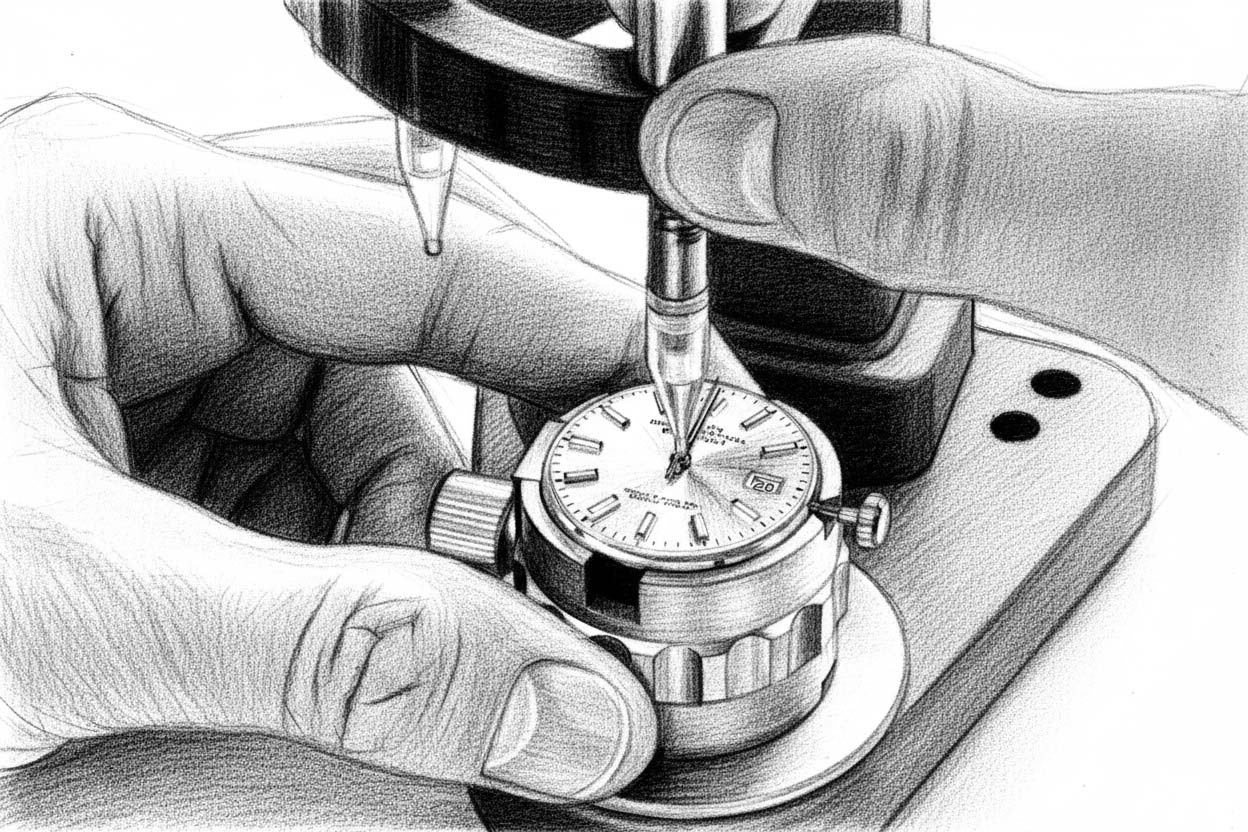
Rolex is the only watch house worldwide with its own gold foundry. They don’t buy gold off the shelf but alloy their own 18-karat yellow, white, and “Everose” gold (a special alloy that doesn’t lose its luster even in saltwater). Even more decisive is the steel: while the entire luxury industry uses standard 316L steel, Rolex exclusively uses 904L steel (Oystersteel). This is extremely corrosion-resistant and is otherwise used in aerospace or the chemical industry. It is harder to process but shines incomparably brighter after polishing. For you as a designer: this is the ultimate commitment to “Materials matter.“
Vertical Integration into the Lab
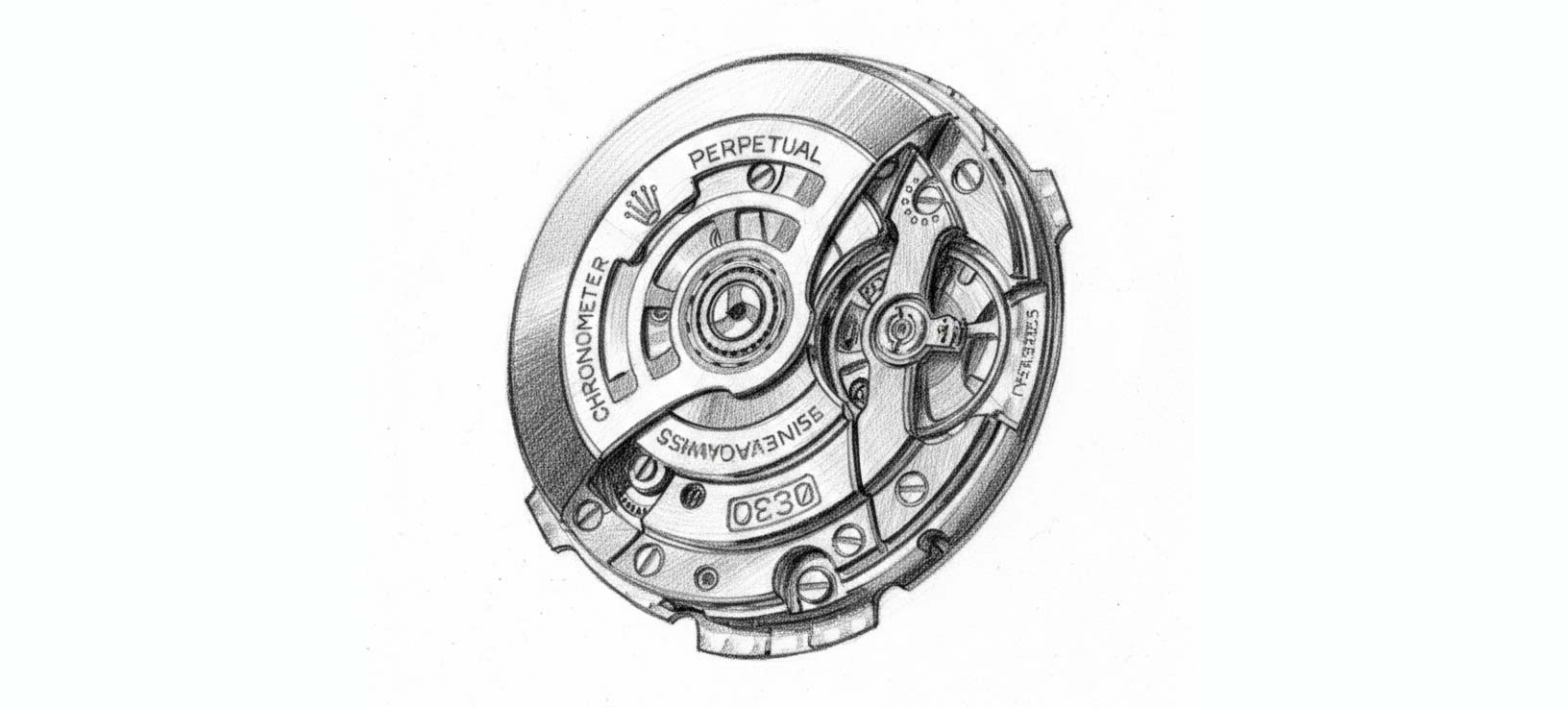
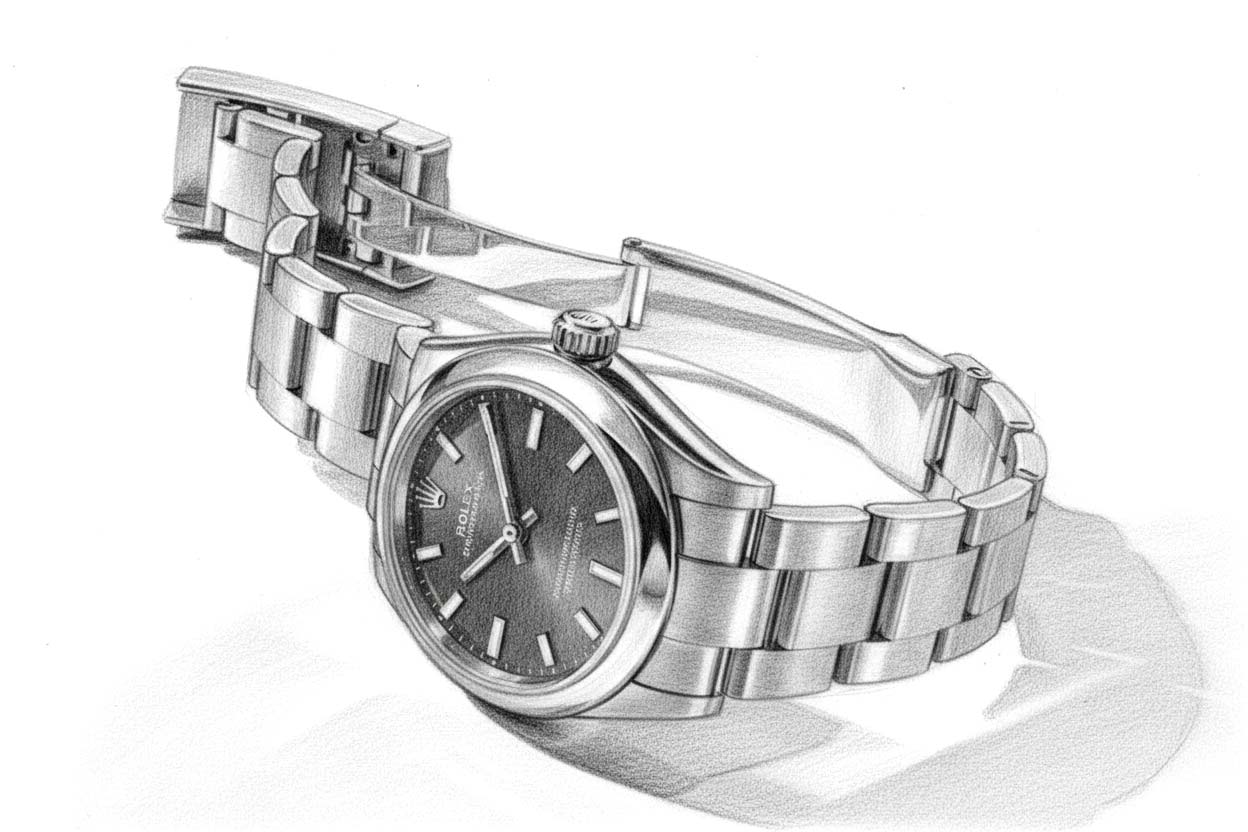
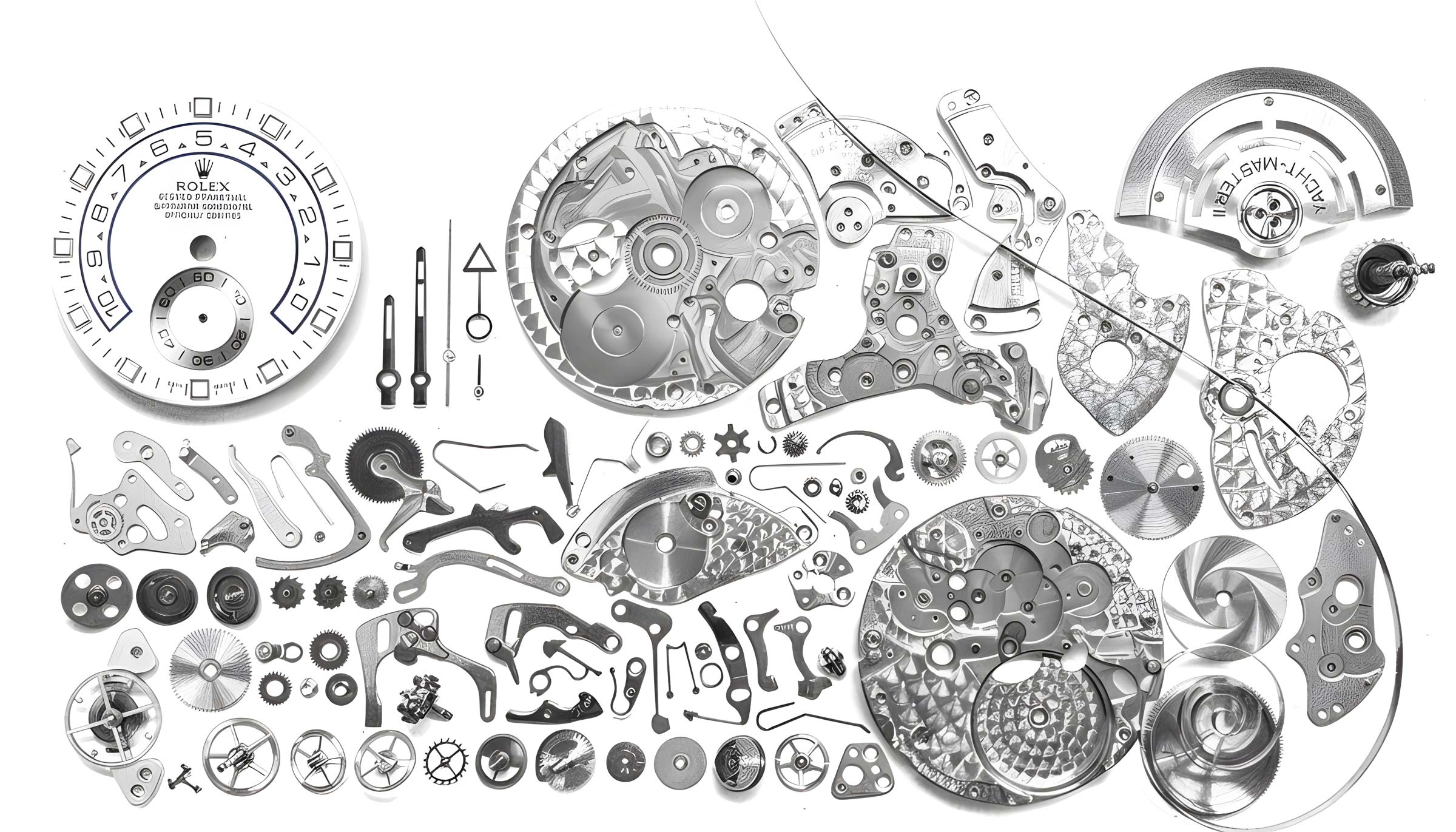
In the Rolex factories (such as in Plan-les-Ouates), there are no mere marketing strategists, but armies of scientists. There are labs for tribology (the study of friction) where proprietary oils and lubricants are developed. Every component is mistreated by robots in stress-test rooms that simulate decades of wear in hours. This radical quality assurance is the invisible backbone of the brand promise.
The Marketing of “Non-Marketing”
Rolex doesn’t look for “influencers,” but pioneers.
- When Mercedes Gleitze swam the English Channel in 1927, she wore a Rolex.
- When Sir Edmund Hillary climbed Everest, a Rolex was there.
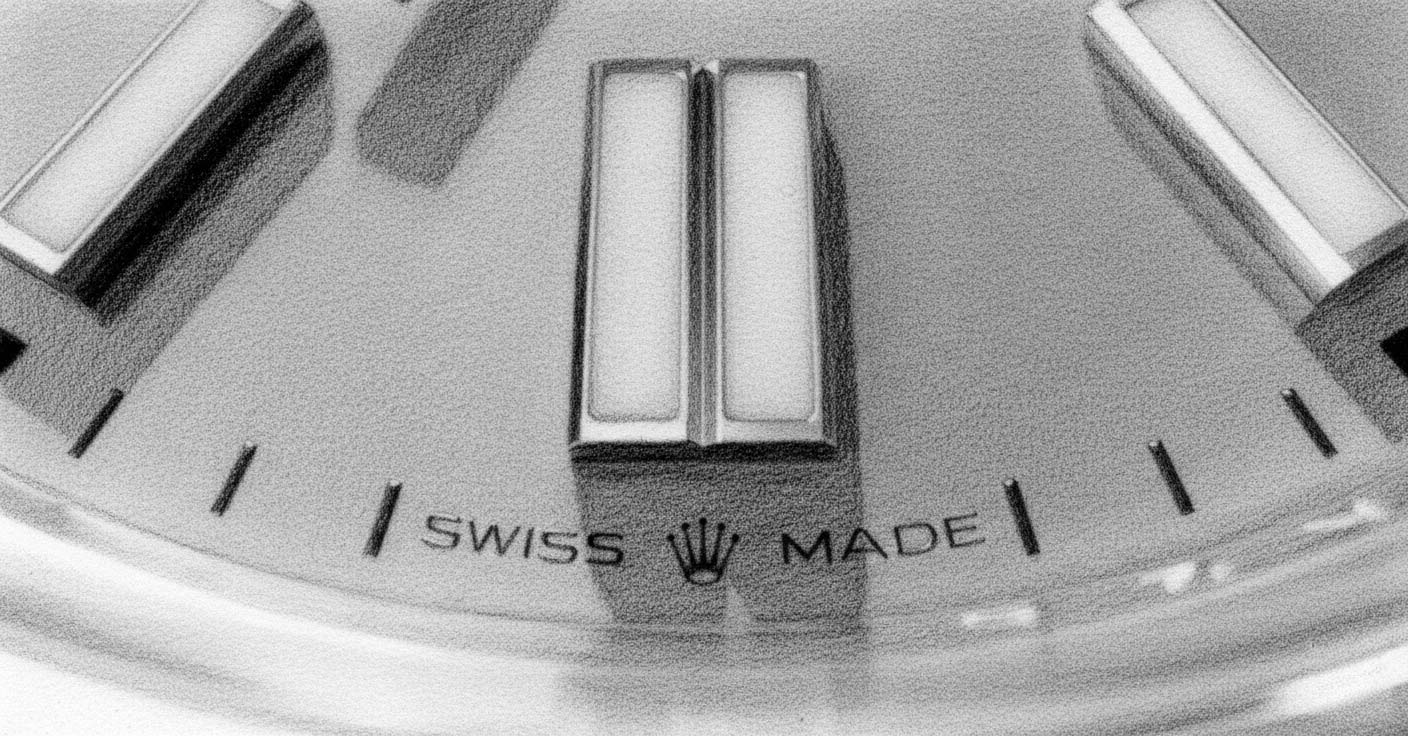
Rolex doesn’t sell a watch, but the belonging to human success. They don’t run classic product ads with prices, but “cultural sponsorship” (Wimbledon, Formula 1, Vienna Philharmonic). This is “Quiet Authority”: you don’t push yourself forward; you are simply present where excellence happens.
The Evolution of Design Language
From “Tool” to “Jewelry”
Rolex accomplished the transition from a pure functional watch to a luxury object not through radical redesigns, but through a shift in proportions and materials. Over the years, the design language became more masculine and smooth.
Case Architecture
Earlier models (the “vintages”) had narrower lugs and thus appeared more graceful, almost fragile. In the 2000s, Rolex introduced the so-called “Super Case.” The lugs became significantly wider and more angular. The watch lost its classic curve and became a monolithic block of steel. This is no accident, but an expression of “Calm Authority” – the watch is meant to show presence on the wrist without becoming larger (it mostly stayed at 40 mm).
From Aluminum to Ceramic
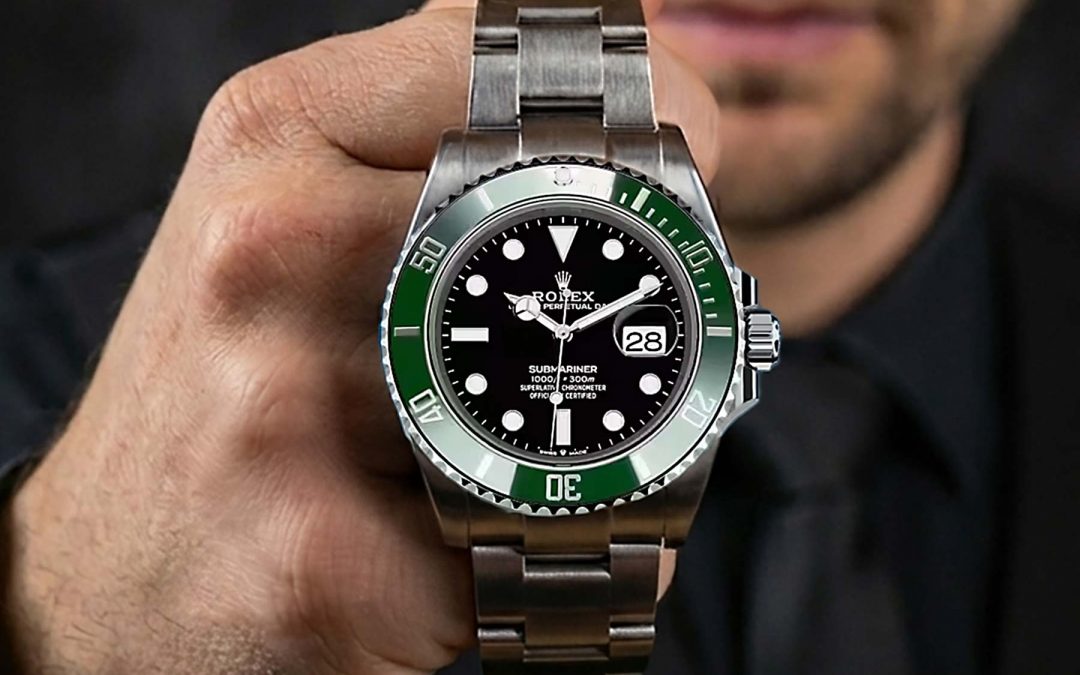
Until about 2005, bezels were made of printed aluminum. They got scratched and faded in the sun (patina). Rolex replaced this with Cerachrom – a high-tech ceramic. With this, the “soul” of aging disappeared, but an indestructible, mirror-smooth surface was created. The design became “more sterile” but technically more perfect.
The Myth of Lacking Innovation
It is a common misconception that Rolex stands still technically. They just innovate differently than brands like Richard Mille or Hublot. They don’t seek “complication,” but “eternity.”
Innovations:
Parachrom hairspring
for anti-magnetism. The watch remains precise even next to smartphones.
Chronergy escapement
for efficiency. Increasing the power reserve to 70 hours (the “weekend-proof” principle).
Oysterflex material research
An elastomer strap with a titanium core – the comfort of a rubber strap with the stability of metal
Ringlock system (case statics)
Enables diving depths of 3,900m (Deepsea) through an internal architecture of nitrogen-alloyed steel.
The Power of the Foundation
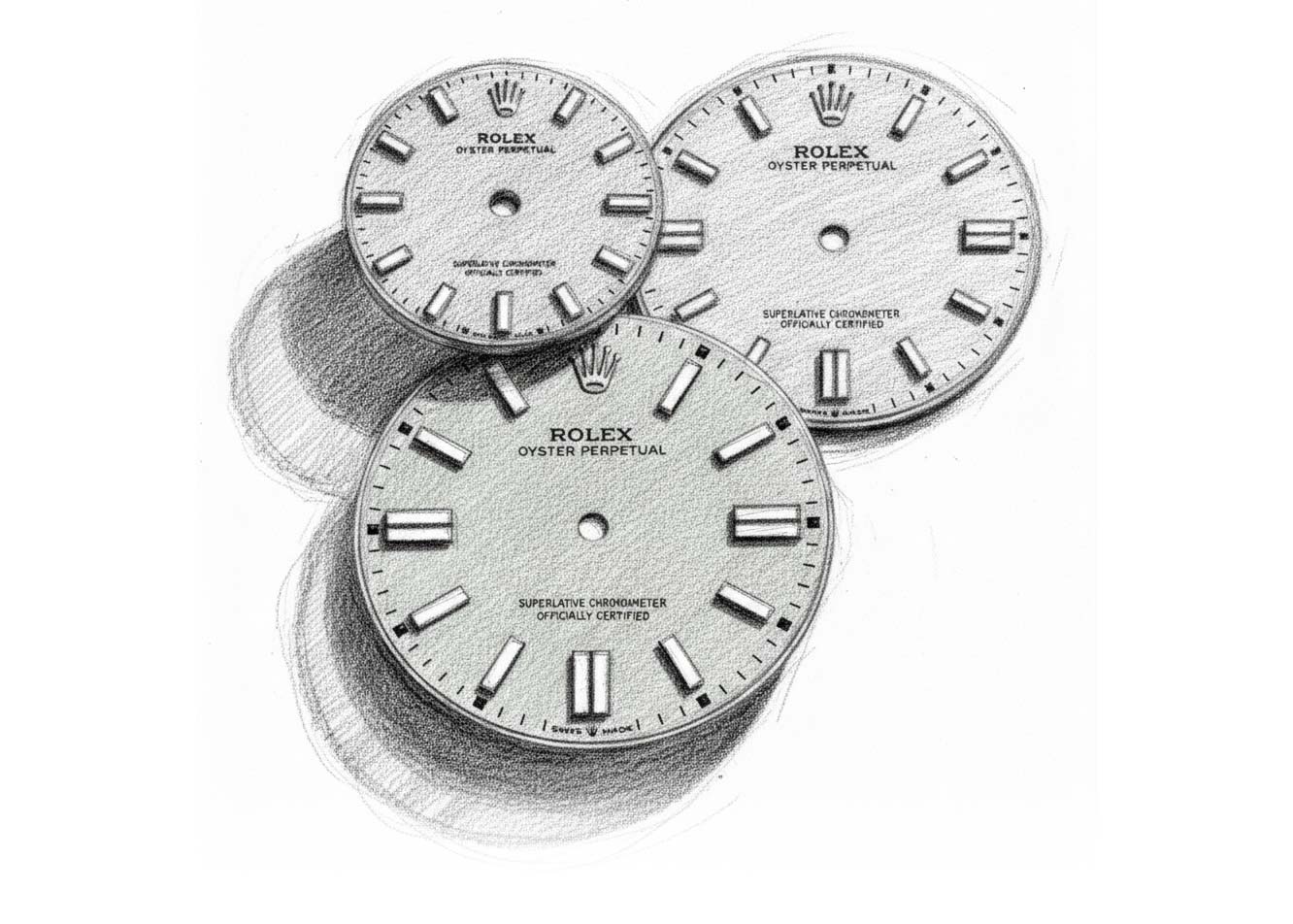
A crucial, often overlooked detail: Rolex does not belong to a conglomerate (like LVMH or Richemont), but to the Hans Wilsdorf Foundation. Since they are not publicly listed, they do not have to present quarterly figures. This allows them a strategic patience that seems almost impossible in our fast-paced times. They can afford to hardly change a model for over 50 years because no shareholder is screaming for “disruptive innovation.”
Conclusion: What we can learn
As designers and strategists, we learn from Rolex that depth requires time and discipline. While other brands panicked during the quartz crisis of the 70s, Rolex demonstrated stoic calmness – very much in the spirit of Marcus Aurelius. They stayed the course. It is about making the interface between strategy and execution so seamless that the product ultimately speaks for itself. When we have the courage to put the ego aside and align every detail with a clear vision, we don’t create decoration. We create permanence.

International Freelance Creative Director & Digital Product Designer
Let's create something meaningful together
I love what I do - for me, design is less of a job and more of a calling. That's why I enjoy working with ambitious individuals and mid-sized businesses just as much as I do with global players. If you bring that same passion to your project, I’d love to hear from you. Let’s find out together how we can take your vision to the next level.