Brands with depth demand more than decoration. A plea for the archetype.
As brands grow, they often lose clarity. Strategy pulls in one direction, the product in another, and UX design loses its connection to the actual identity. Everything drifts apart. What often remains in the end is a highly functional shell—without a soul. In exactly these phases, when we try to regain the lost focus, I inevitably steer the conversation toward the foundation of every strong identity: the brand archetype. And almost always, I encounter two familiar objections at this point.
The CEO says:
“Archetypes? That is a theoretical construct. Something for 90s marketing slides. We need data, performance, and conversion.”
I usually answer the CEO with a simple fact: Our technology is evolving exponentially, but the human brain hasn’t received a hardware update in 50,000 years. Today, we react to the exact same emotional triggers as our ancestors. Archetypes are not esoteric; they are the most efficient cognitive shortcuts we possess. If a brand lacks a clear archetype, the user has to re-analyze with every interaction who we actually are and whether we can be trusted. That costs cognitive energy. And in the digital space, energy loss leads directly to bounce rates. A clear archetype is not decoration – it is a scaling tool for trust.
The UI/UX designer says:
“We don’t need myths. We need perfect usability, a clean grid, and the latest design system in Figma.”
To the designer, I counter with a look at today’s App Store. We are suffering from the systematic “Dribbbelization” of design. Everything looks like a flawlessly polished mix of Airbnb, Uber, and Headspace. Technically perfect, but emotionally completely interchangeable. Today, usability is no longer a unique selling point – it is the absolute basic prerequisite, the price of admission. Without a foundation of character, we only make design decisions based on fleeting trends. If we do not treat digital products like personalities, users will treat them like mere tools. And tools are replaced as soon as a cheaper, faster one comes around the corner.
At first glance, both are right. And yet, both overlook the fundamental.
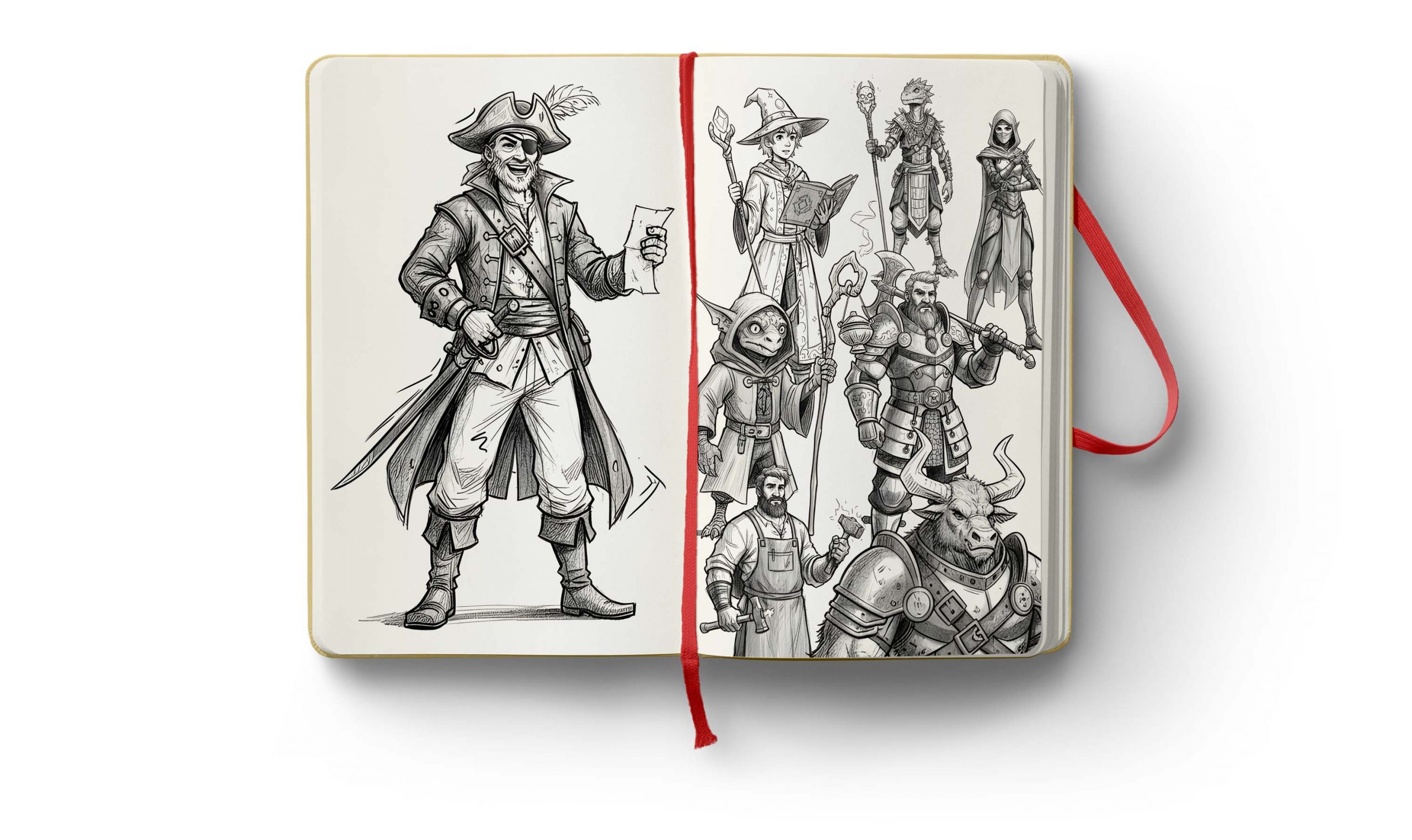
The cognitive efficiency of “positive pigeonholing”
In social interaction, we rightly try to dismantle pigeonholing and stereotypes. In brand and product design, however, we must masterfully serve this exact function of the human brain. It is conscious, positive pigeonholing.
Trust emerges through predictability. If a brand behaves like a wise, calm mentor today and appears like a rebellious teenager through glaring interactions tomorrow, cognitive dissonance arises. The user withdraws. A clearly defined archetype is the silent promise that the brand will remain in the mental drawer into which the user intuitively placed it. It is about creating a sense of home and orientation in a digital world that is often far too loud and confusing.
Purity creates clarity, mixture creates depth
The true art of holistic design lies in nuance. Genuine depth rarely arises from one-dimensionality. The most fascinating brands in the world—those with the timeless precision of a Rolex, the focused clarity of a Leica, the elegance of Hermès, or the uncompromising vision of a Polestar—are based on a perfect inner balance.
While a pure archetype helps to be understood extremely quickly, it harbors the long-term danger of appearing flat. Strategic hybrid forms provide the remedy. A dominant primary archetype sets the unmistakable direction, while a subtle secondary archetype makes the brand human, differentiated, and hard to copy.
This balance is the invisible compass for every design decision. The archetype determines whether an app animation is snappy and efficient or soft and organic. It dictates the whitespace, the typography, the materiality, and the tonality of the microcopy. Every pixel must serve the overarching character. Design, after all, is not just appearance; it is the care and humility behind every single click.
What archetypes are there?
In brand development, one classically orients oneself around 12 official archetypes. This concept is based on the psychological archetypes of Carl Jung and was perfected for marketing by Margaret Mark and Carol S. Pearson.
The 12 Brand Archetypes
Each of these archetypes serves a fundamental human need – whether for structure, spirituality, legacy, or belonging.
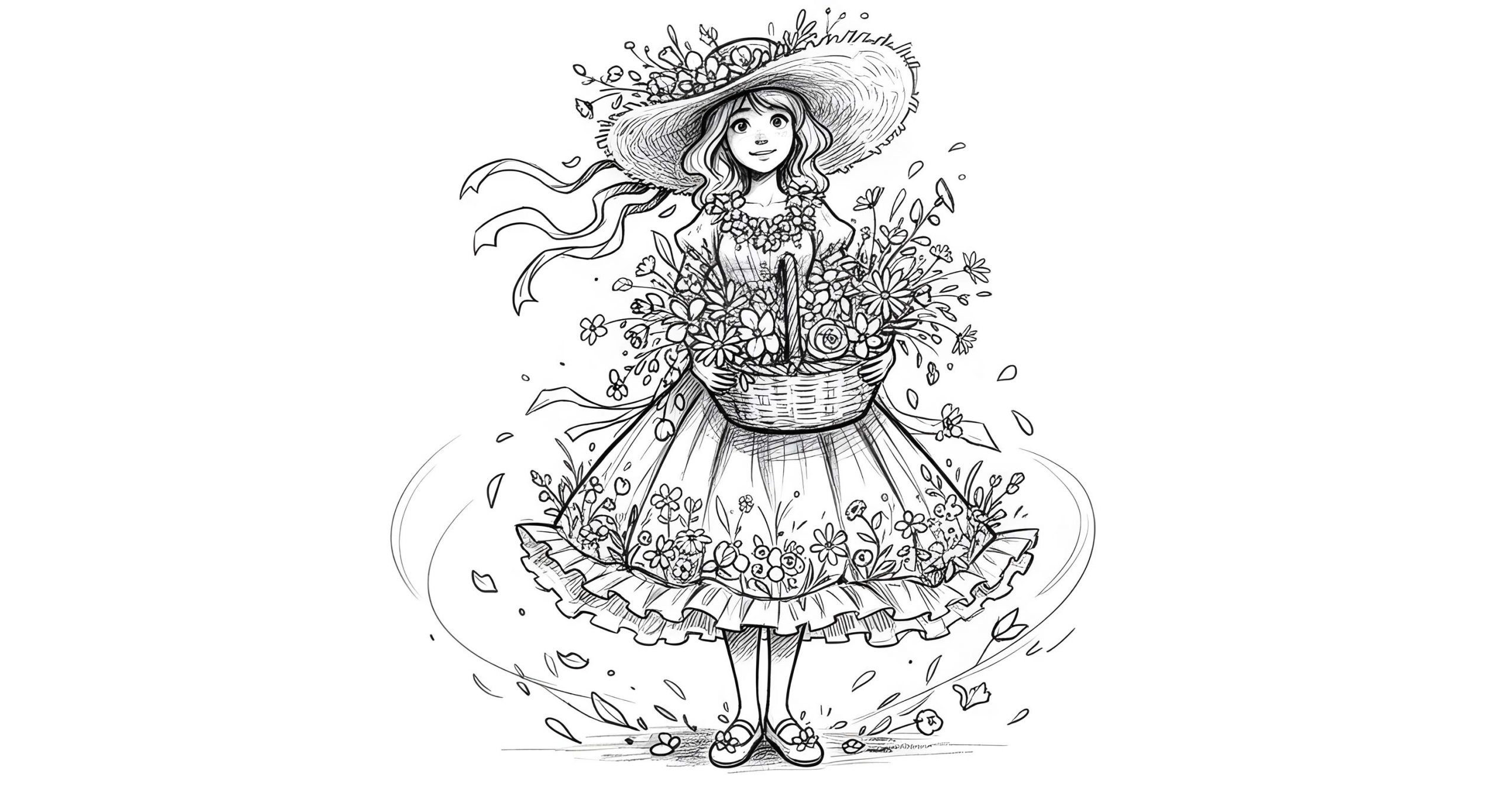
The Innocent
This archetype strives for safety, happiness, and purity in a perfect world. It uses simple, honest communication and conveys optimism and trust.
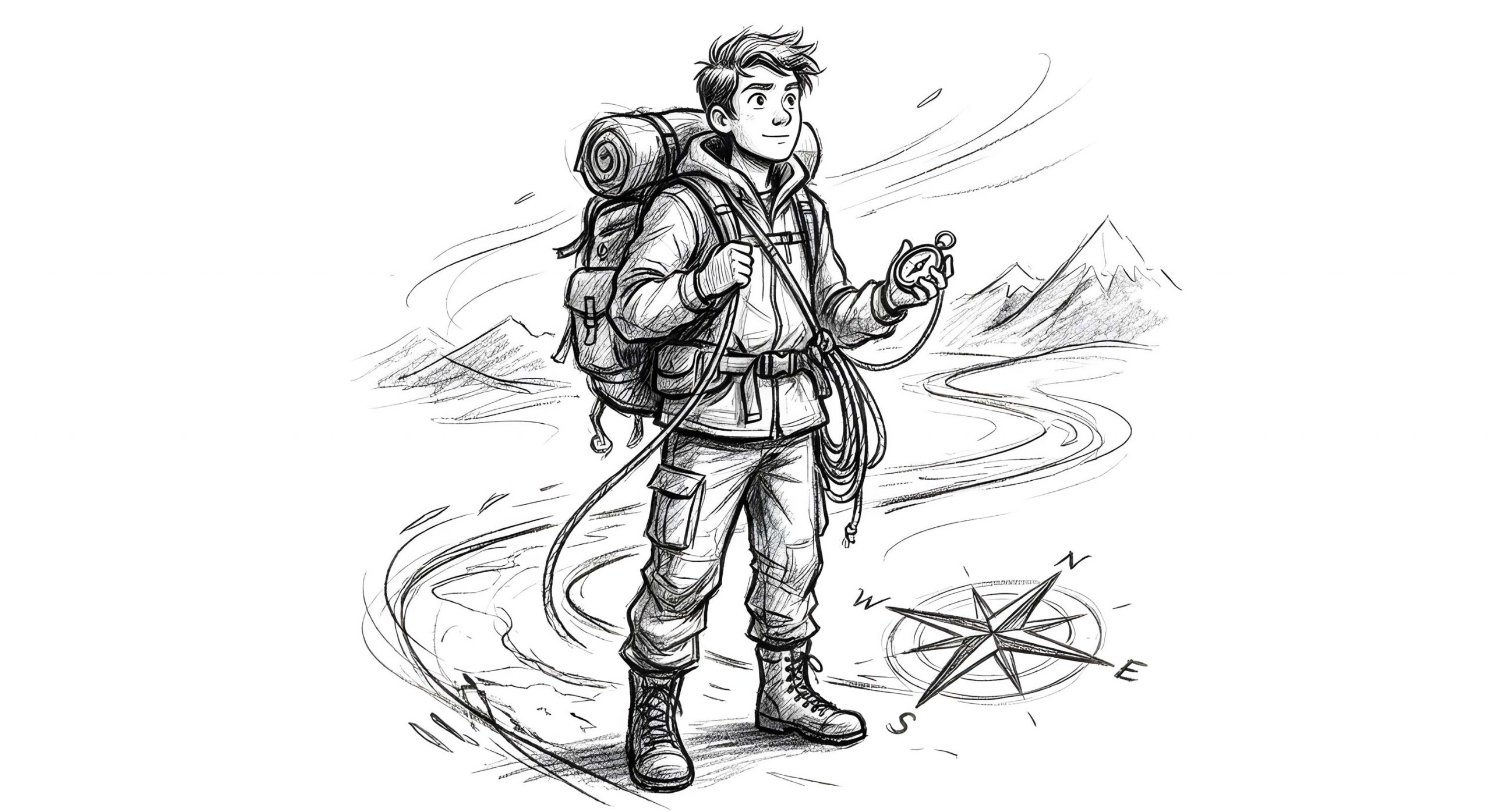
The Explorer
Everything here revolves around freedom, individuality, and discovering new horizons. Brands of this type inspire their customers to leave everyday life behind and test their own limits.
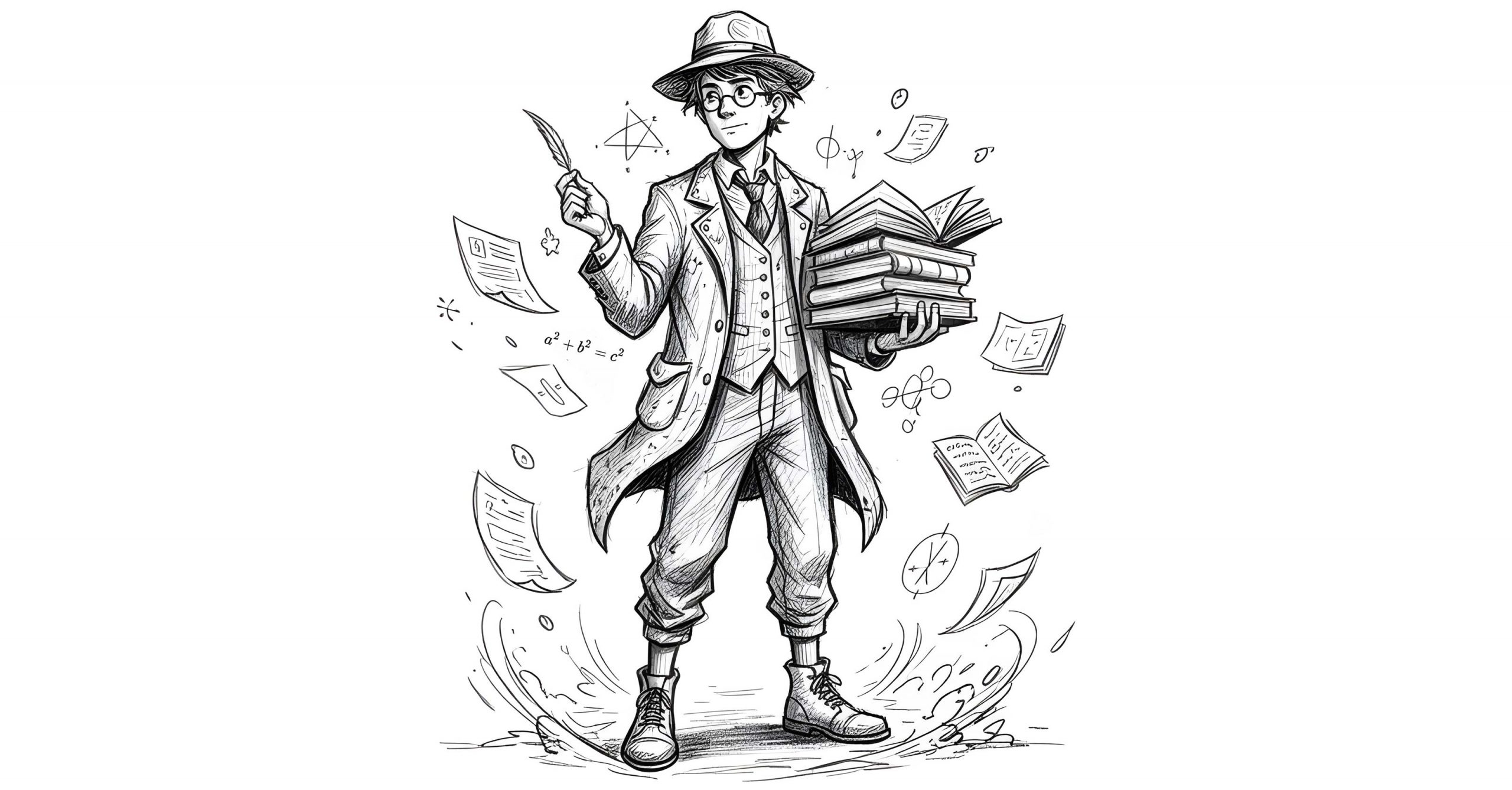
The Sage
The Sage seeks truth and uses knowledge and analysis to better understand the world. It positions itself as an expert and a reliable source of information that values wisdom over mere opinion.
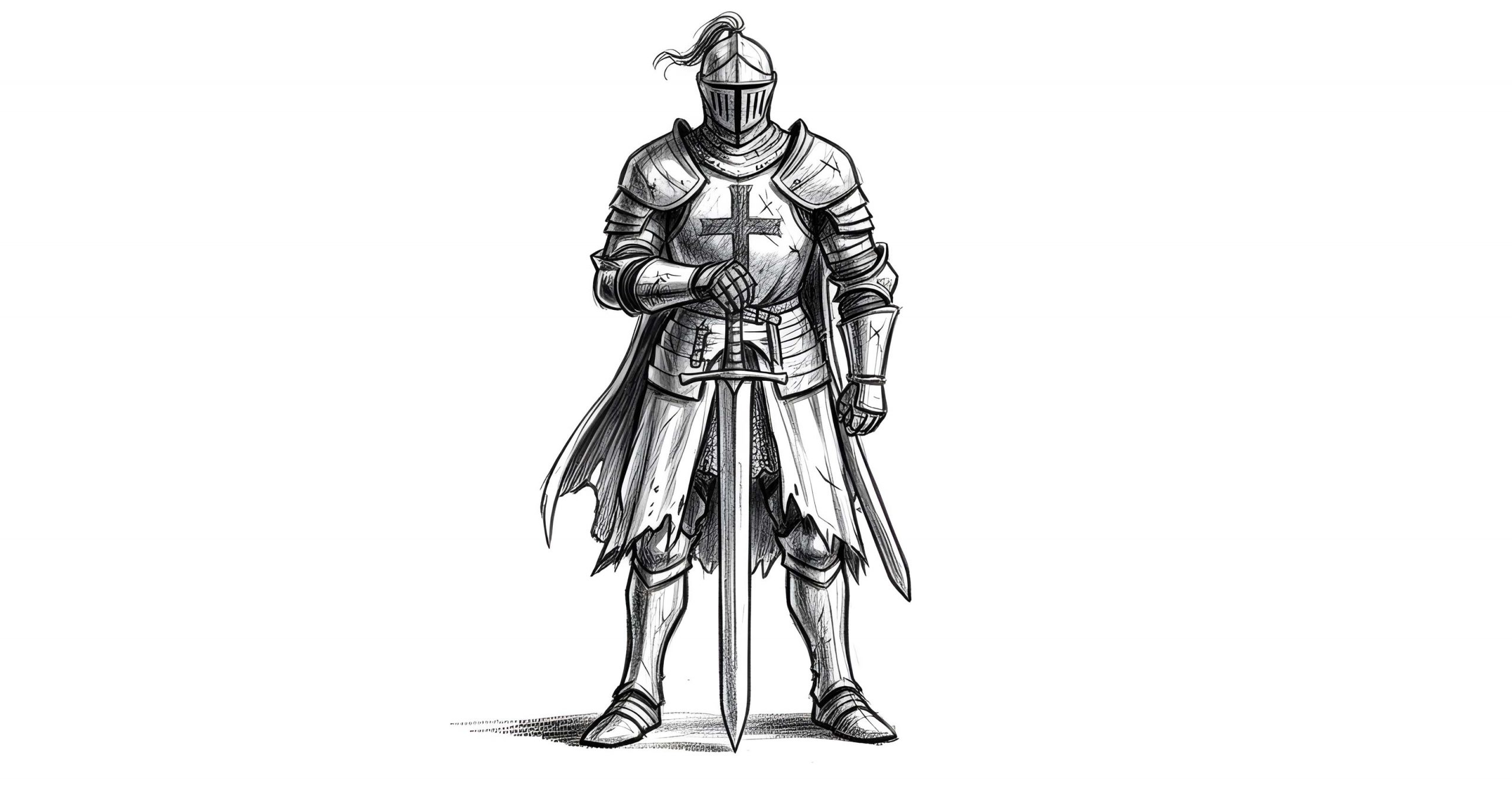
The Hero
A hero wants to prove their power and courage to improve the world or overcome obstacles. These brands motivate their customers to surpass themselves and show discipline and strength.
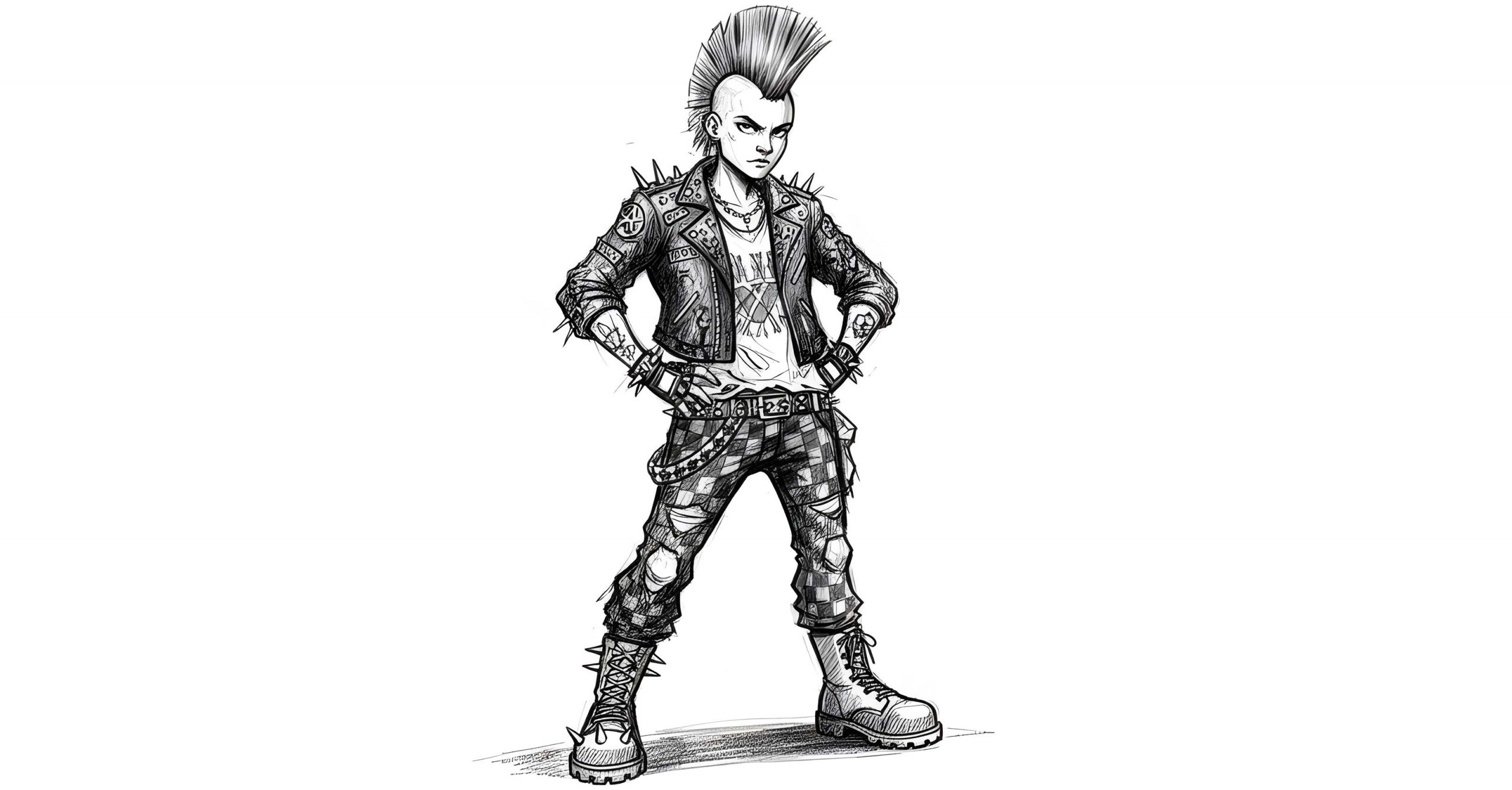
The Outlaw/Rebel
This archetype stands for revolution, freedom, and breaking rules that are no longer contemporary. It appeals to people who feel non-conformist and want to radically change the status quo.
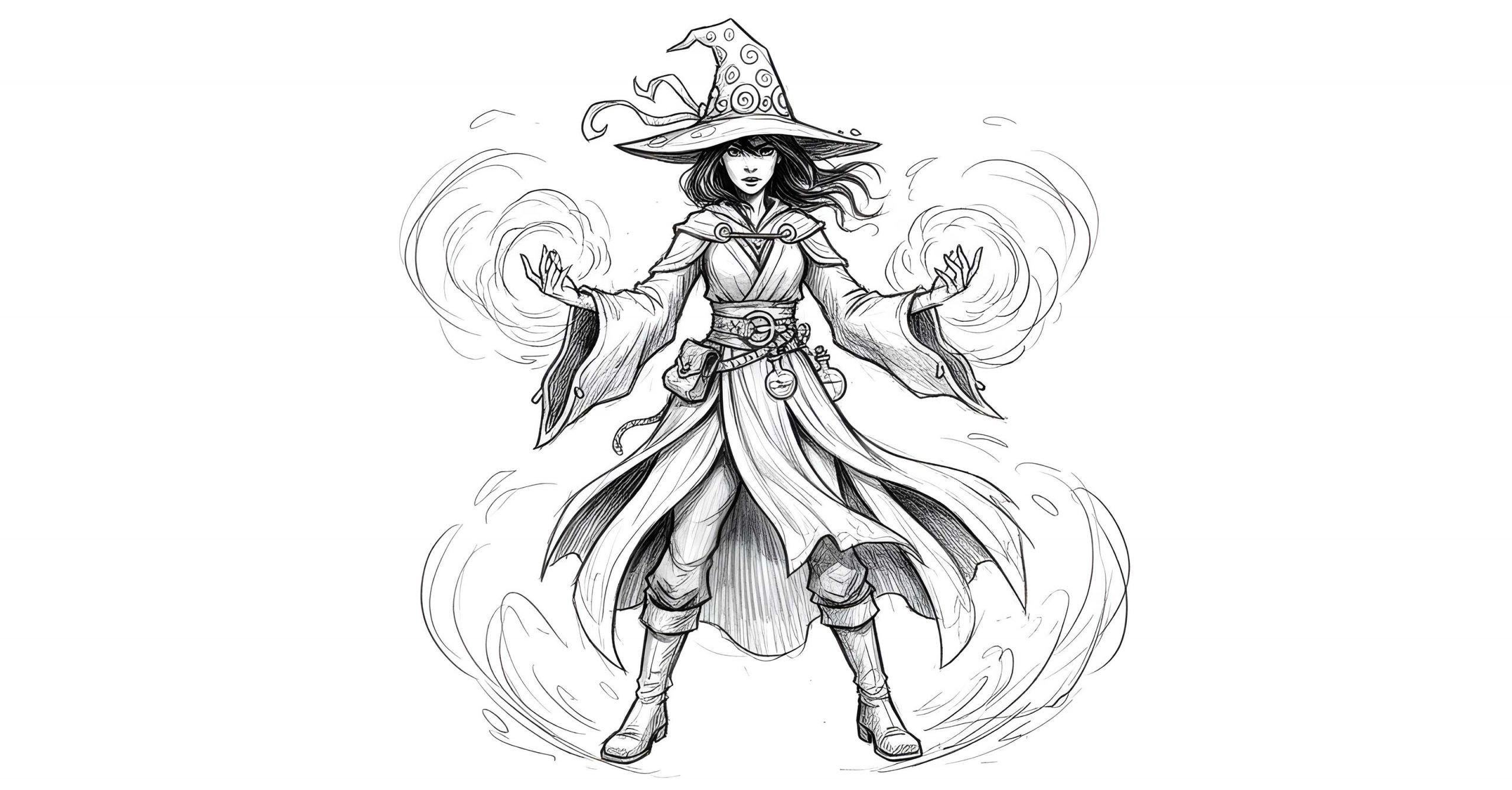
The Magician
The Magician wants to make dreams come true and bring about transformation through vision or technology. These brands often promise magical moments or astoundingly simple solutions to complex problems.
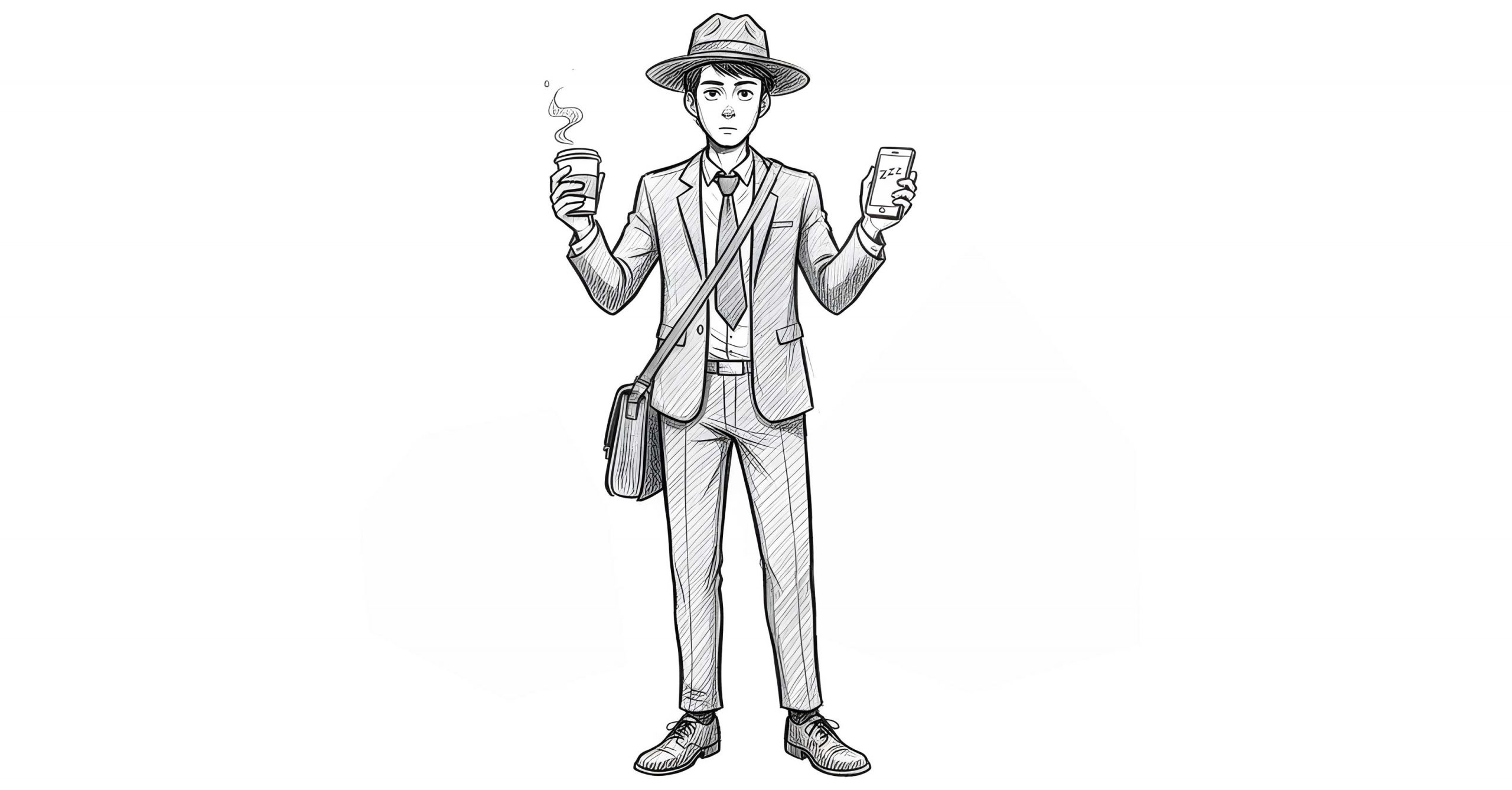
The Everyman
Wants to belong and values down-to-earthness, reliability, and community. Communication is approachable and unpretentious, as the brand presents itself as “one of us”.
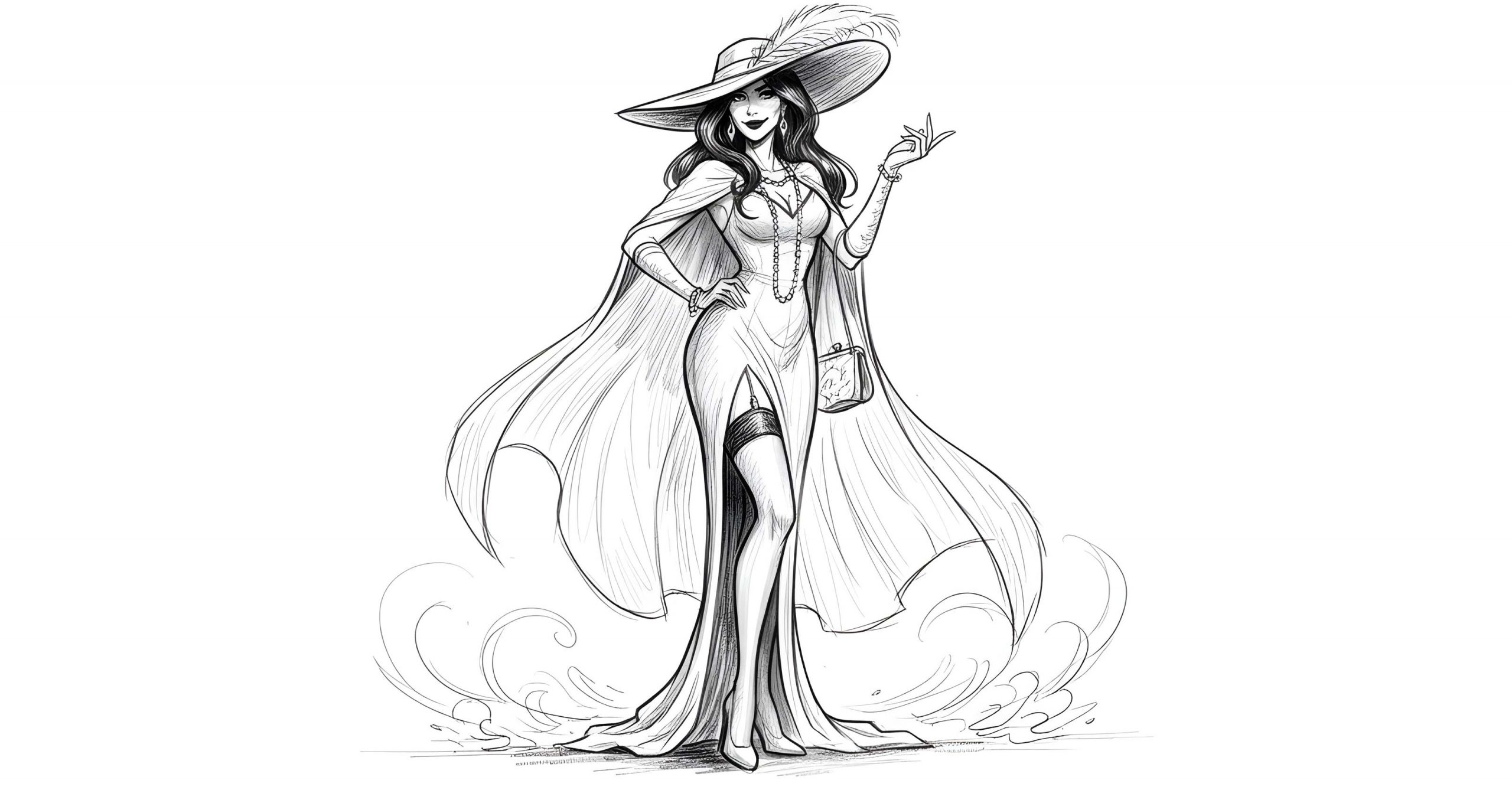
The Lover
This archetype focuses on intimacy, passion, and the appreciation of beauty. Brands in this category rely on sensuality and building deep, emotional relationships.
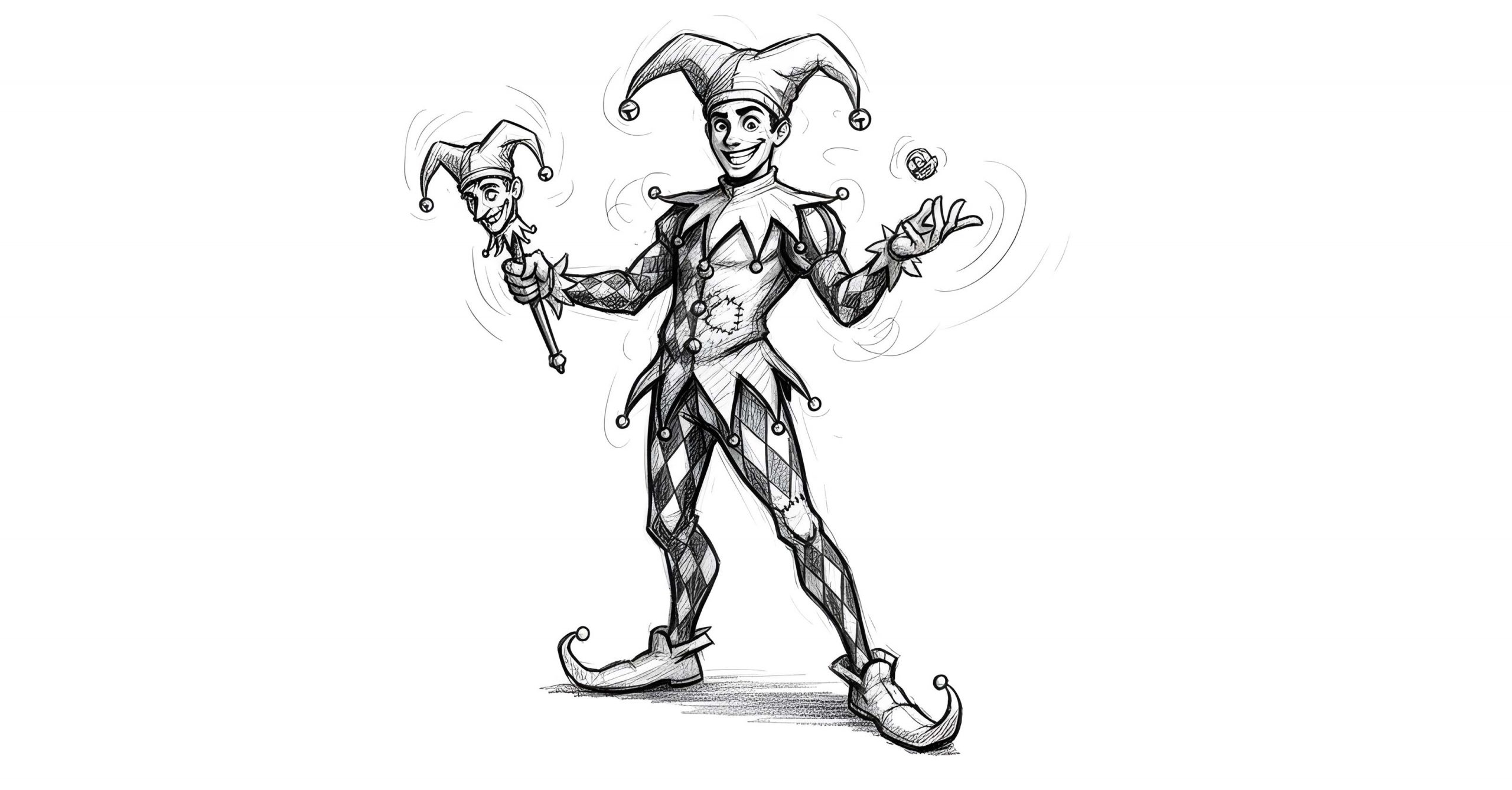
The Jester
The Jester lives in the moment and wants to bring joy to the world with lightness and humor. It often uses playful provocation to break up rigid structures and make people laugh.

The Caregiver
Protecting and supporting others is the central focus here. These brands radiate empathy and security, seeing themselves as a helping hand in difficult times.
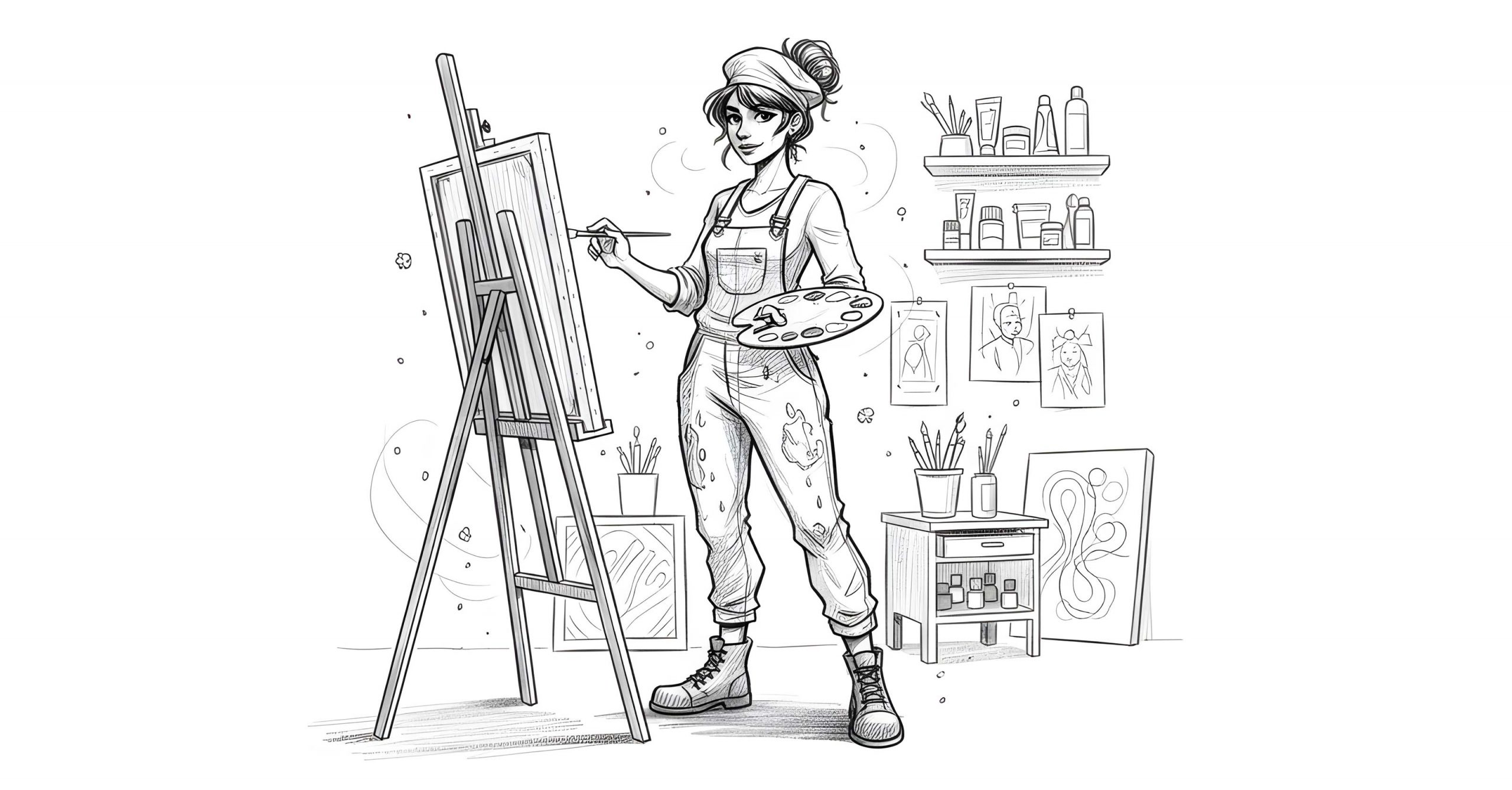
The Creator
The Creator has the urge to build something new, enduring, and valuable. It fosters the creativity of its customers and provides tools for them to express their own vision.
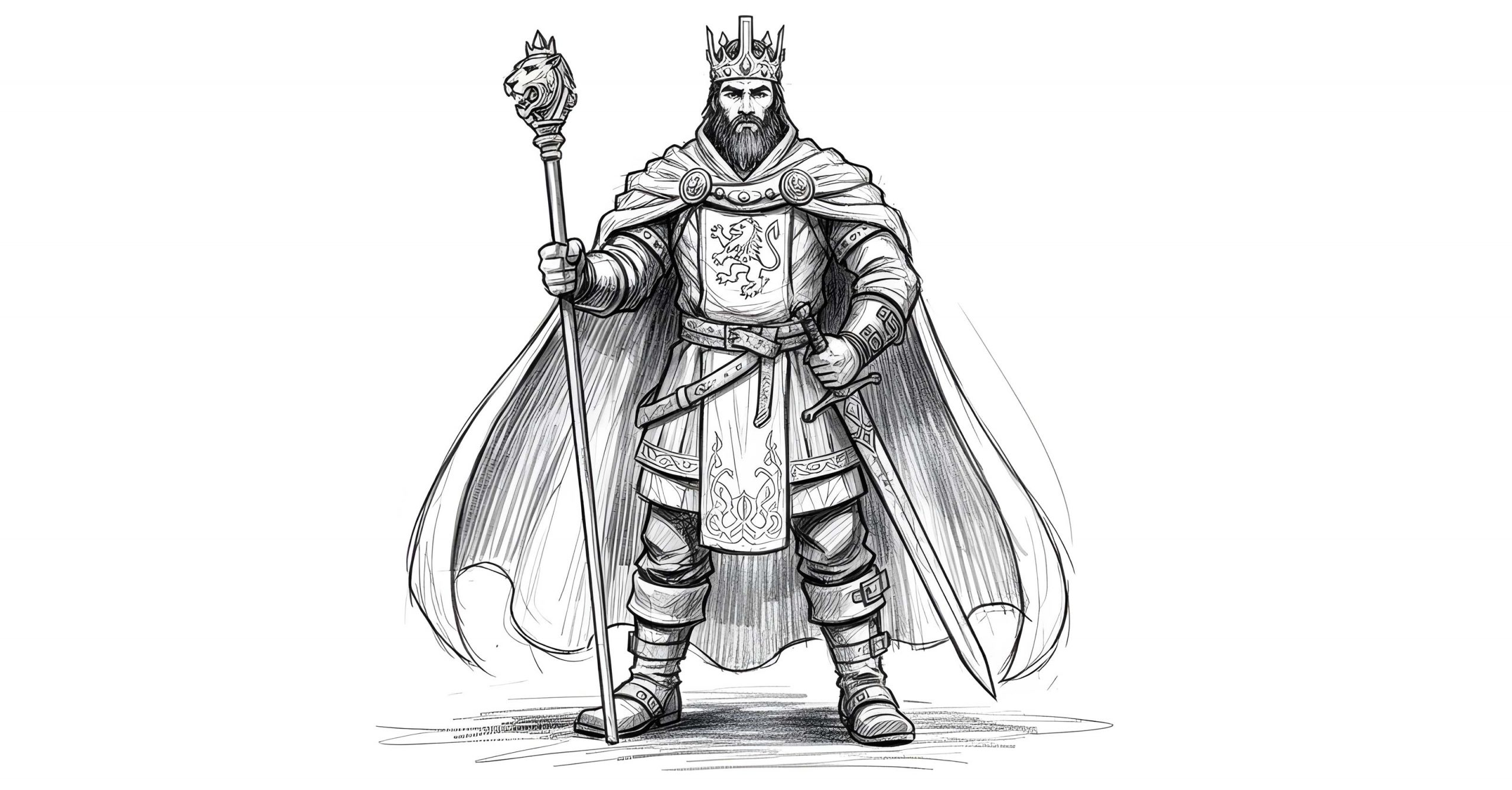
The Ruler
This archetype strives for control, power, and order to guarantee prosperity and stability. It positions itself as a leader and authority that embodies excellence and an elevated status.
Hybrid Forms
It is a widespread misconception that a brand can only occupy a single archetype. In fact, many of the world’s most successful brands are “hybrid” profiles. While a clear focus helps not to dilute the message, a subtle addition of a second type makes the brand more human, differentiated, and harder to copy.
Hybrid forms are not “less successful”—they are often the logical evolution of a brand that has matured. The only important thing is that the core (the 80%) remains stable so that customers are not confused.
The Dynamic Between “Purity” and “Mixture”
• The advantage of pure archetypes: They are extremely easy to understand. For new brands or start-ups, this is often the best way to quickly occupy a clear positioning in the customer’s mind.
• The risk of pure archetypes: They can seem one-dimensional or clichéd. A “Hero” who only shows strength will eventually seem unapproachable and flat.
• The success of hybrid forms: The most successful brands usually use an 80/20 ratio. A dominant primary archetype sets the direction, while a secondary archetype provides the necessary nuance.
Well-Known Hybrid Forms in the Brand Cosmos
Here are four common combinations that show how brands create a unique aura through “archetype mixing”:
1. The Visionary Innovator (Creator + Magician):
This mix combines the craftsman’s urge to create things with the visionary power to make the impossible possible. It’s not just about the product, but about changing the world through design and technology.
(Brands: Apple and Dyson)
2. The Rebellious Victor (Hero + Outlaw):
Here, the discipline and dedication of the hero meet the “rule-breaking” attitude of the rebel. These brands challenge the status quo while simultaneously demanding top performance from their customers.
(Brands: Nike and Red Bull)
3. The Responsible Explorer (Explorer + Caregiver):
These brands drive us to explore nature, but heavily emphasize the protection and preservation of our planet. The freedom of adventure is inextricably linked to environmental responsibility here.
(Brands: Patagonia and Land Rover)
4. The Prestigious Authority (Ruler + Sage):
This combination radiates ultimate power and control, but grounds it not just in status, but in superior knowledge and tradition. It is the positioning as the undisputed expert at the top of the hierarchy.
(Brands: Mercedes-Benz and Patek Philippe)
Do brands really use this theory?
The most fascinating brands in the world do not outsource the cultivation of their archetype to external advertising agencies. They anchor this identity deeply in their product development, often in departments that seem purely technical at first glance.
There, the archetype is not understood as marketing vocabulary, but as a strict set of rules for behaviors—down to physical perception.
Here are three insights into the practices of world-class brands that show how meticulously the “feeling” of a brand is constructed:
1. Acoustic Design & Haptics
(Example: Porsche & Leica)
• In brands from the absolute premium segment (often characterized by the Ruler or Creator archetypes), there are dedicated “Sound & Haptic Engineering” teams.
• The Insight: The archetype decides how a product sounds and feels. At Porsche, the sound of a closing car door or the click of a switch in the interior is modeled for months in the acoustics lab. It cannot sound tinny or light; it must convey the feeling of a vault—absolute control, safety, and precision.
• Leica pursues a similar approach with the mechanical “click” of the shutter release. It is not a random product of mechanics, but a consciously designed acoustic signature that reinforces the user’s feeling of holding a timeless precision tool in their hands.
2. Narrative Architecture & Storyboarding
(Example: Airbnb)
• When Airbnb (a classic mix of Explorer and Everyman) realized that their app was being viewed in isolation from real life, they didn’t build a new UX department. They adapted a method from Hollywood.
• The Insight: The founding team hired animators from Pixar to visualize the entire user journey in a storyboard—from the first search in the app to the moment the guest puts the key into the lock of a stranger’s door.
• Every frame of this storyboard was checked against the archetype: Does the guest feel like an explorer in this specific moment? Where does friction arise? The digital interface (the app) was subsequently built rigorously around this emotional offline experience, not the other way around.
3. Human Interface & UX Physics
(Example: Apple)
• Apple (the ultimate Magician and Creator) has teams dedicated exclusively to the so-called “choreography” of interactions.
• The Insight: When serving the Magician archetype, technology must appear invisible and effortless. Developers spend weeks perfecting the mathematical formulas for “Easing Curves” (the acceleration and deceleration of animations).
• If you scroll through a list on an iPhone and reach the end, the image doesn’t stop abruptly. It bounces back physically correctly (“Rubber-Banding”). This tiny, seemingly insignificant friction is a direct translation of the archetype into code: It makes the digital world organic, natural, and intuitively predictable. The same applies to the vacuum resistance when opening an iPhone box—it is calculated to the millisecond to orchestrate anticipation.
The Essence for Your Work
What unites these companies is the absolute uncompromising nature at the intersection of strategy and execution. They understand that an archetype is worthless if it cannot be felt in the “pixel,” the “click,” or the “text snippet.” For a designer, this means: The interface is not just the user surface; it is the body language of the brand.
Regaining Focus
My approach to all of this is calm, analytical, and deeply strategic. I view design less as a profession and more as an attitude toward life—a practice of absolute attention.
I design brands and digital products from the first strategic consideration to pixel-perfect execution. I step in when teams lose clarity and help them regain focus. My goal is to steer strategy, interface, and identity back into a single, coherent direction and to hand over production-ready systems that empower teams to continue building with complete confidence.
Finding the true archetype of a brand and translating it with razor-sharp precision in design is not a theoretical process that can be checked off with a simple questionnaire. It requires analytical depth, a willingness to reflect, and the ability to completely set one’s own ego aside for the needs of the product. Precisely for this reason, I consciously only take on a limited number of projects per year. Only in this way can I guarantee the strategic depth and undivided dedication that excellent brands demand.


Let's create something meaningful together
I love what I do - for me, design is less of a job and more of a calling. That's why I enjoy working with ambitious individuals and mid-sized businesses just as much as I do with global players. If you bring that same passion to your project, I’d love to hear from you. Let’s find out together how we can take your vision to the next level.