by Christoph Gey | May 18, 2026 | Design Philosophy
An antique shop. A glass case. A ring we never touched — and could not forget. My wife and I felt the same thing, simultaneously, without a word between us: something dark. Something that should not have been there.
I have no interest in the esoteric. But I cannot pretend nothing happened. That would not be rational. Three explanations — psychometry, thin slicing, neural coupling — each accounts for part of what occurred. None accounts for all of it.
What followed changed my understanding of the work. Design communicates on two levels: one legible, one quiet. The second does not emerge from decision, but from disposition — from what a person brings to what they make. Viewers sense this. Not always consciously. But they sense it.
Whether feelings can be stored in matter is a question I cannot answer. What I know: they are stored in work. And one should be careful about what one allows to resonate.
by Christoph Gey | May 12, 2026 | Design Philosophy
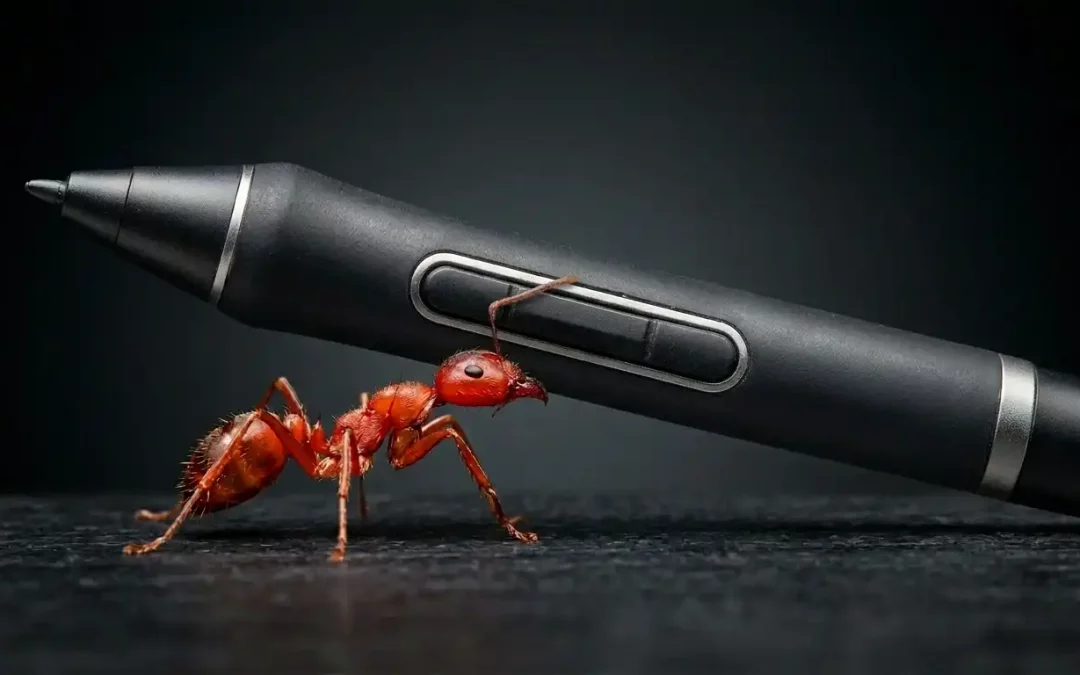
Diligence compounds talent. In this post, I reflect on why the most successful creatives aren’t just the ones with the best ideas, but the ones who refuse to stop when it would be easier to quit. A manifesto on craft, discipline, and the pursuit of the ‘perfect’ curve.
by Christoph Gey | Apr 30, 2026 | Design Philosophy
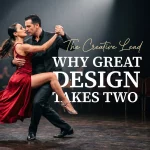
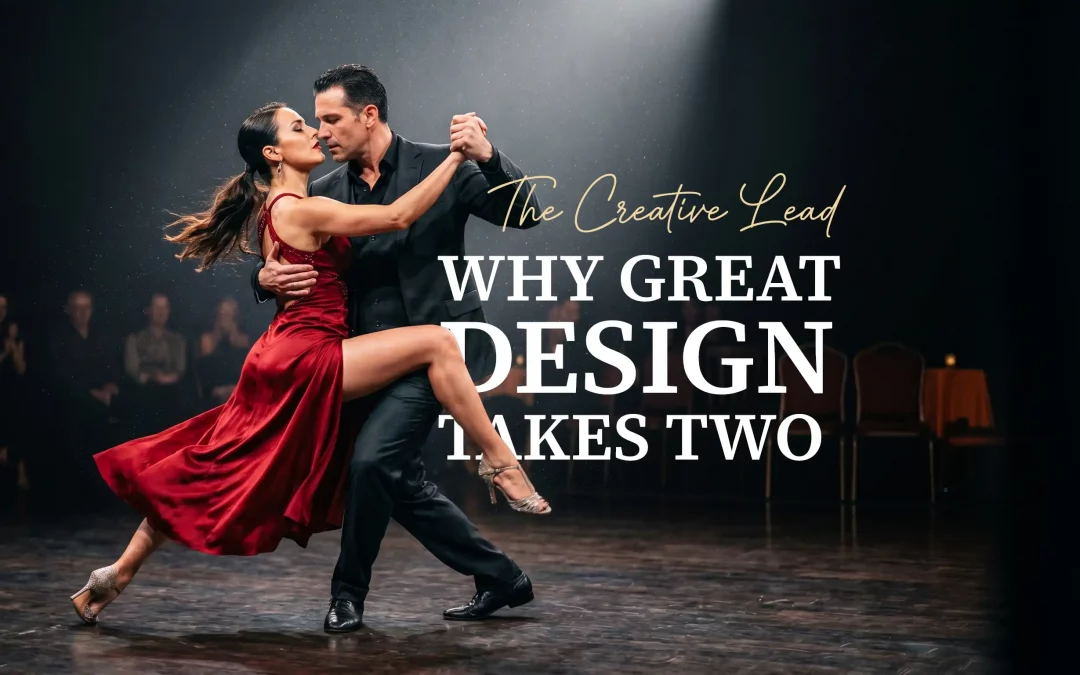
Watson needed Crick. Curie needed Curie. The greatest breakthroughs in science rarely happened alone – they happened in the friction between two different kinds of thinking. As a freelance Creative Art Director in Germany, I have no internal team to challenge my ideas. So I ask my clients to do it instead. This essay is about why I’m proud of that – and why the best work emerges not from expertise alone, but from the space between what I know and what my clients know that I never will.
by Christoph Gey | Apr 23, 2026 | Design Philosophy
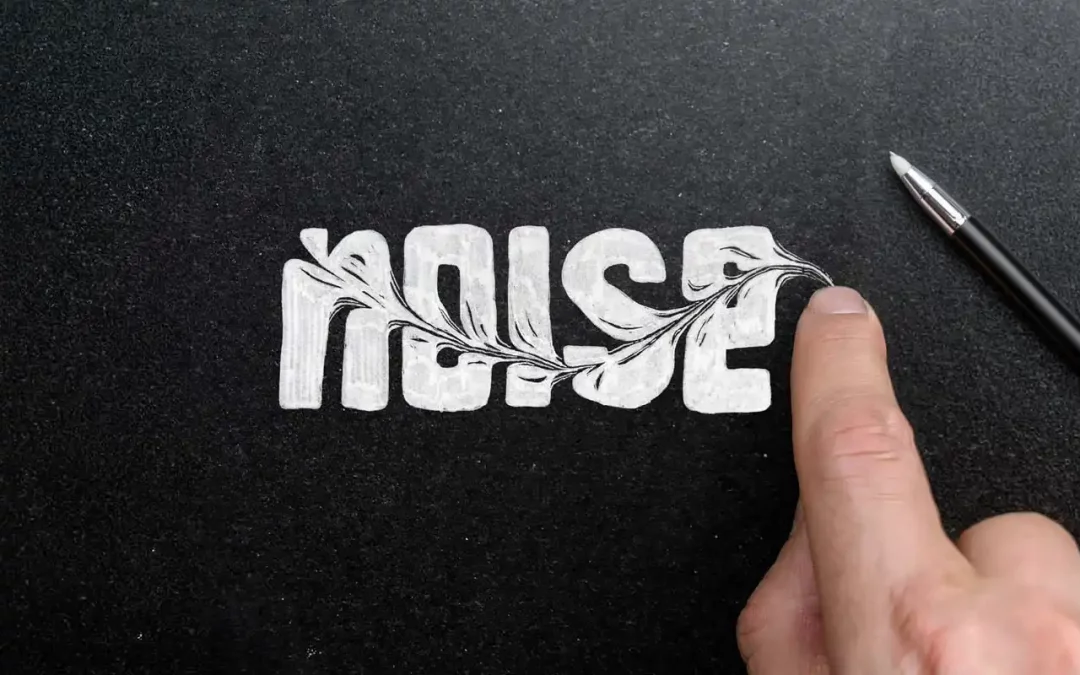
A Creative Director from Germany on auditory discipline and inner order — why everything you build, every brand you shape, begins with what you allow in.
by Christoph Gey | Apr 21, 2026 | Design Philosophy
Is location still relevant for creative professionals? A freelance Creative Director reflects on algorithms, craft, and the honest doubt behind moving from Cologne to Grimma.
by Christoph Gey | Apr 3, 2026 | Design Philosophy
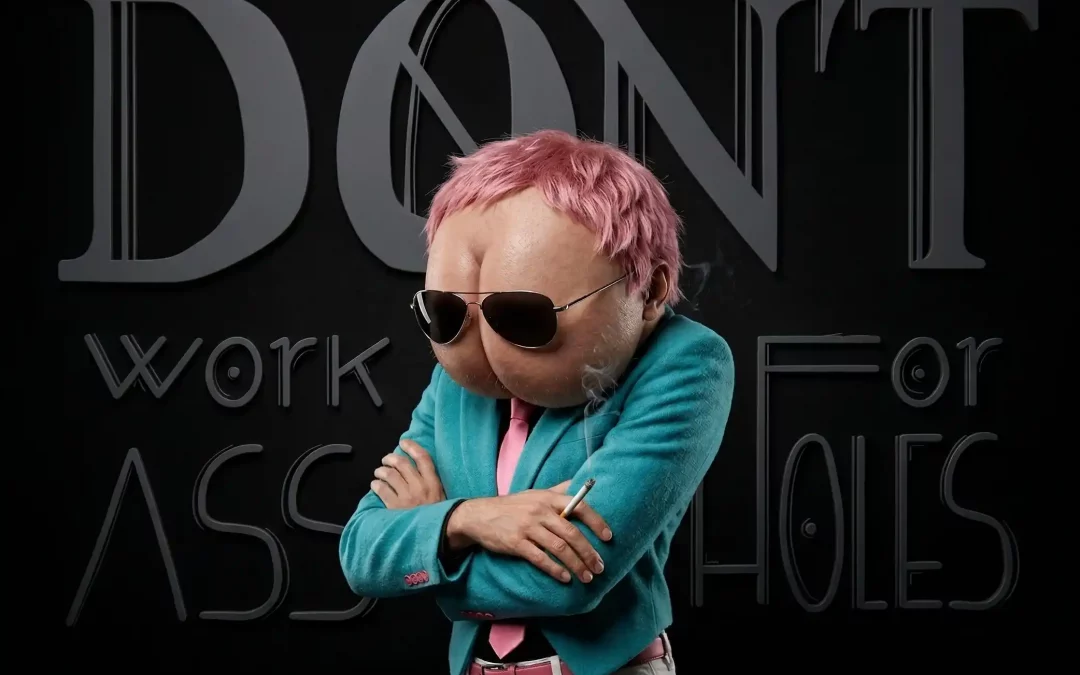
On the necessity of a strategic veto. In the design world, we often pretend that every commission is a blessing. We optimize, we polish, we deliver. But there is a line where design stops being a solution – and starts being a dark accomplice. I’ve made a clear decision for myself: I don’t work for assholes. Not as an insult. As a filter.
by Christoph Gey | Apr 1, 2026 | Design Philosophy
It’s 2026. The hype has settled. AI is no longer the “end of design,” but exactly what the pencil and Photoshop were before: a tool. The barrier to execution has collapsed – today, anyone can generate “perfect” interfaces. But in the...
by Christoph Gey | Mar 9, 2026 | Design Philosophy
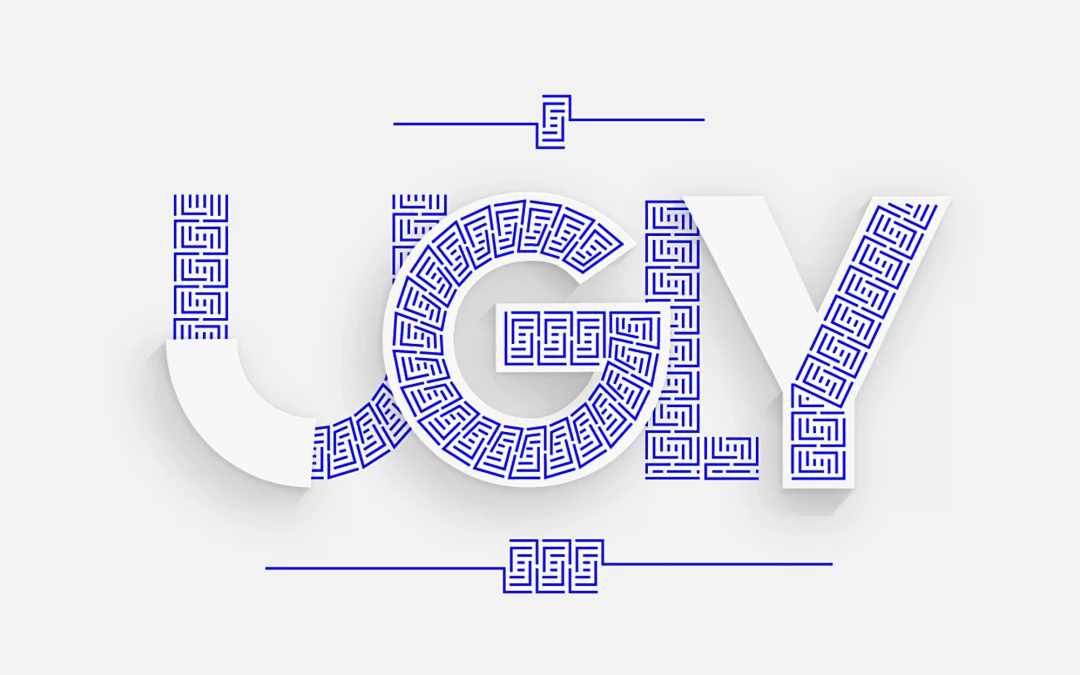
Is your “minimalist” brand actually just… empty?
We’ve reached a dangerous inflection point. We are drowning in a sea of sterile, spreadsheet-driven design that mistakes “simplicity” for a total lack of soul. Let’s be honest: A lot of modern design isn’t “clean.” It’s just lazy.

by Christoph Gey | Feb 26, 2026 | Design Philosophy
Exploring the evolution of design from mere function to emotional resonance and, ultimately, to meaning. This article examines why brands with depth require a philosophy rooted in honesty and ethical integrity – where form follows more than just a feeling.
by Christoph Gey | Feb 24, 2026 | Design Philosophy
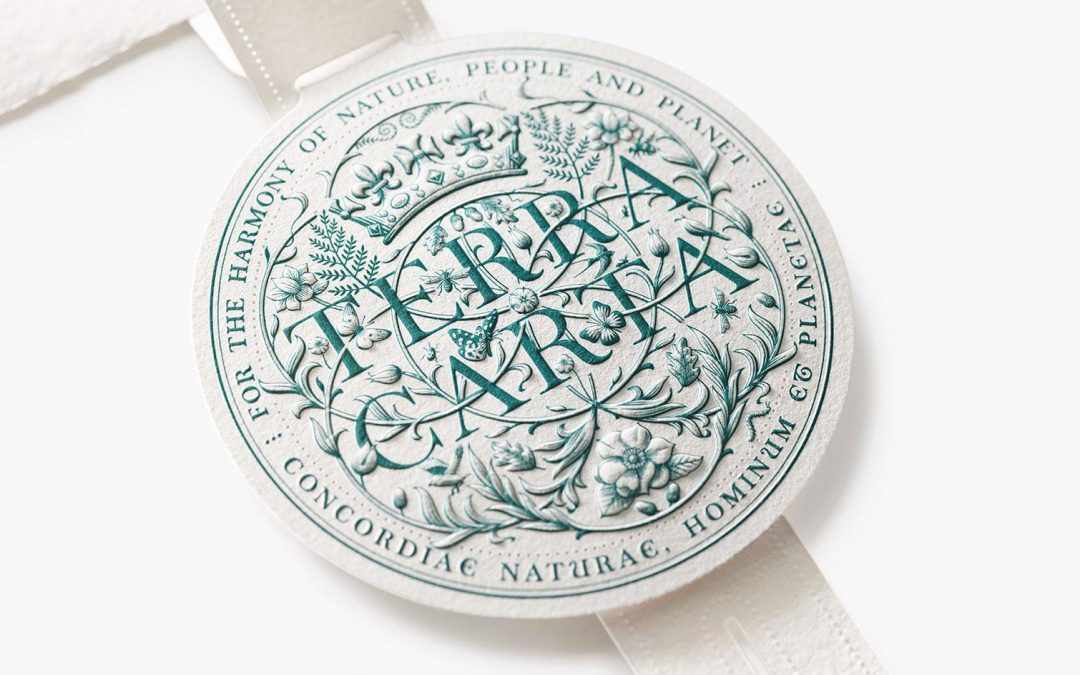
Is the era of sterile minimalism over? From the “White Room” at Apple to the botanical complexity of the Terra Carta Seal, Sir Jony Ive is redefining the visual language of luxury. This deep dive explores the shift toward “Systemic Opulence,” the crucial role of tactile haptics in a digital world, and why deliberate complexity is becoming the ultimate differentiator in the age of AI-generated design. A reflection on heritage, geometry, and the power of human intention.