Type Hype
Typography Experiments
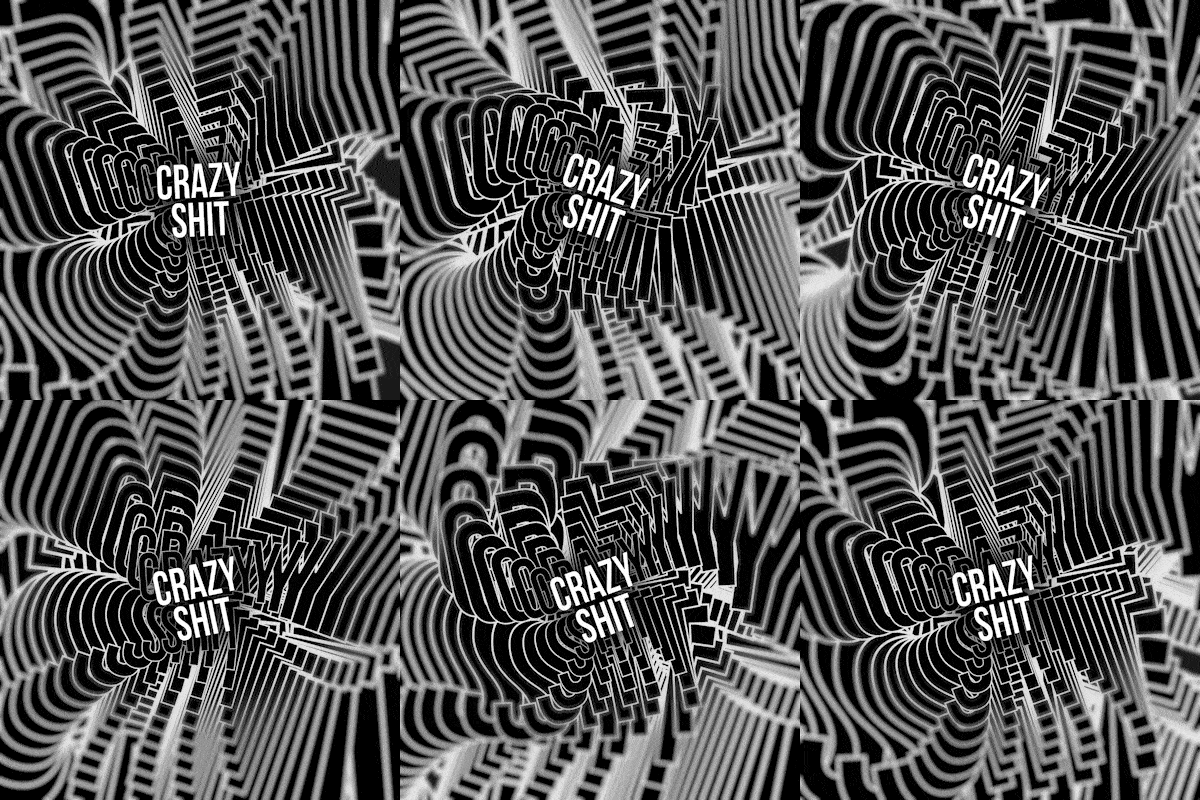
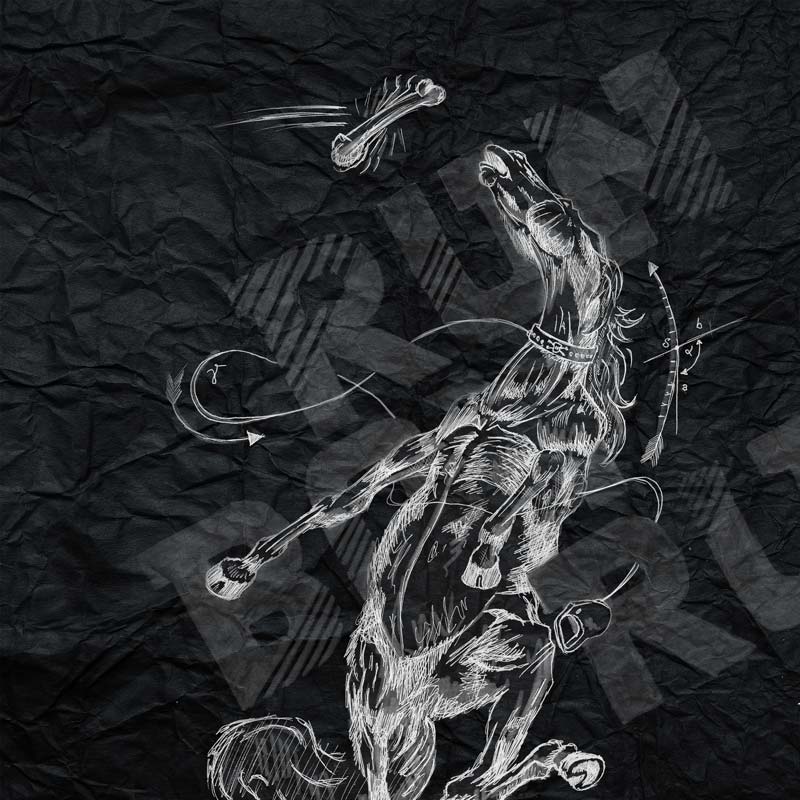
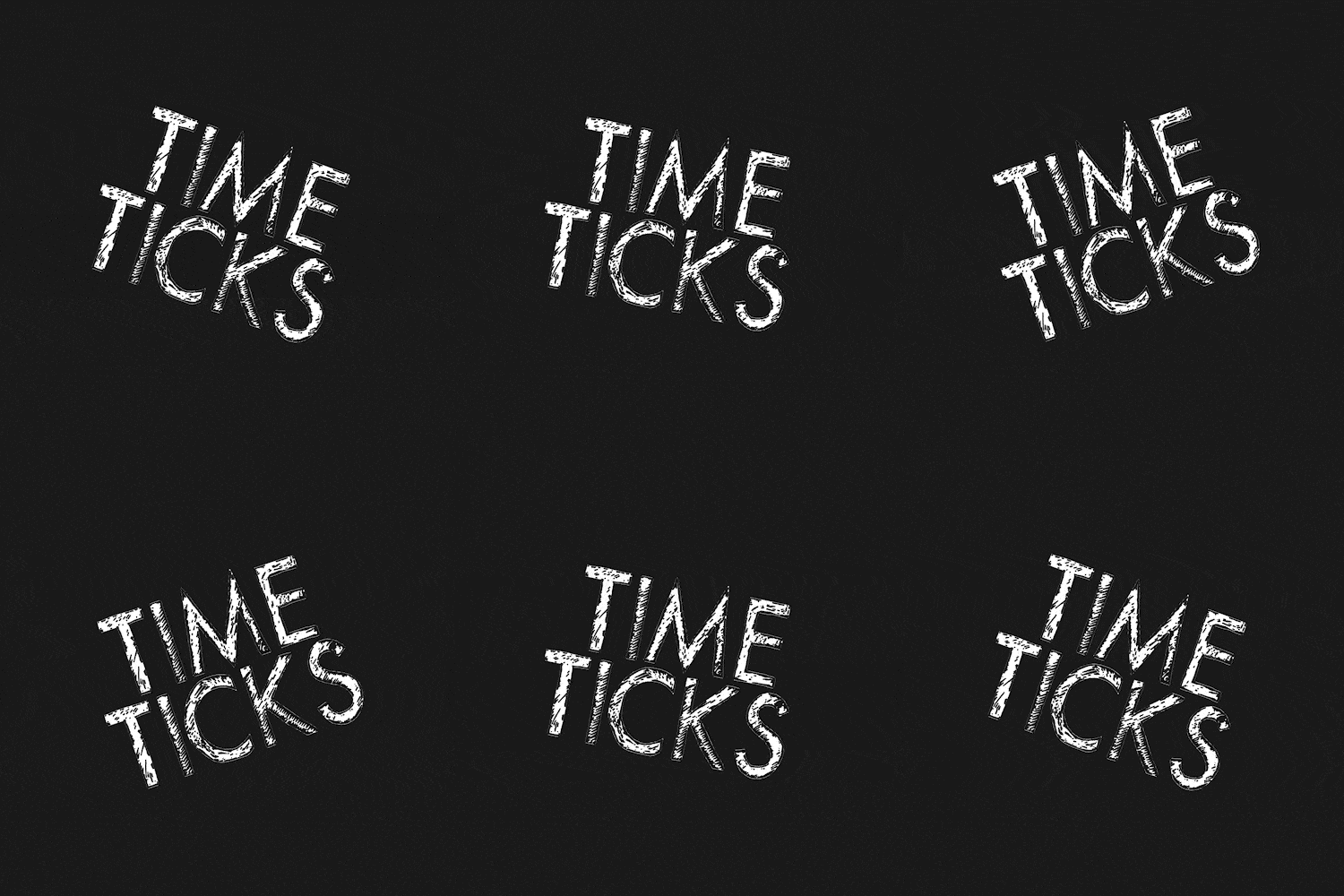
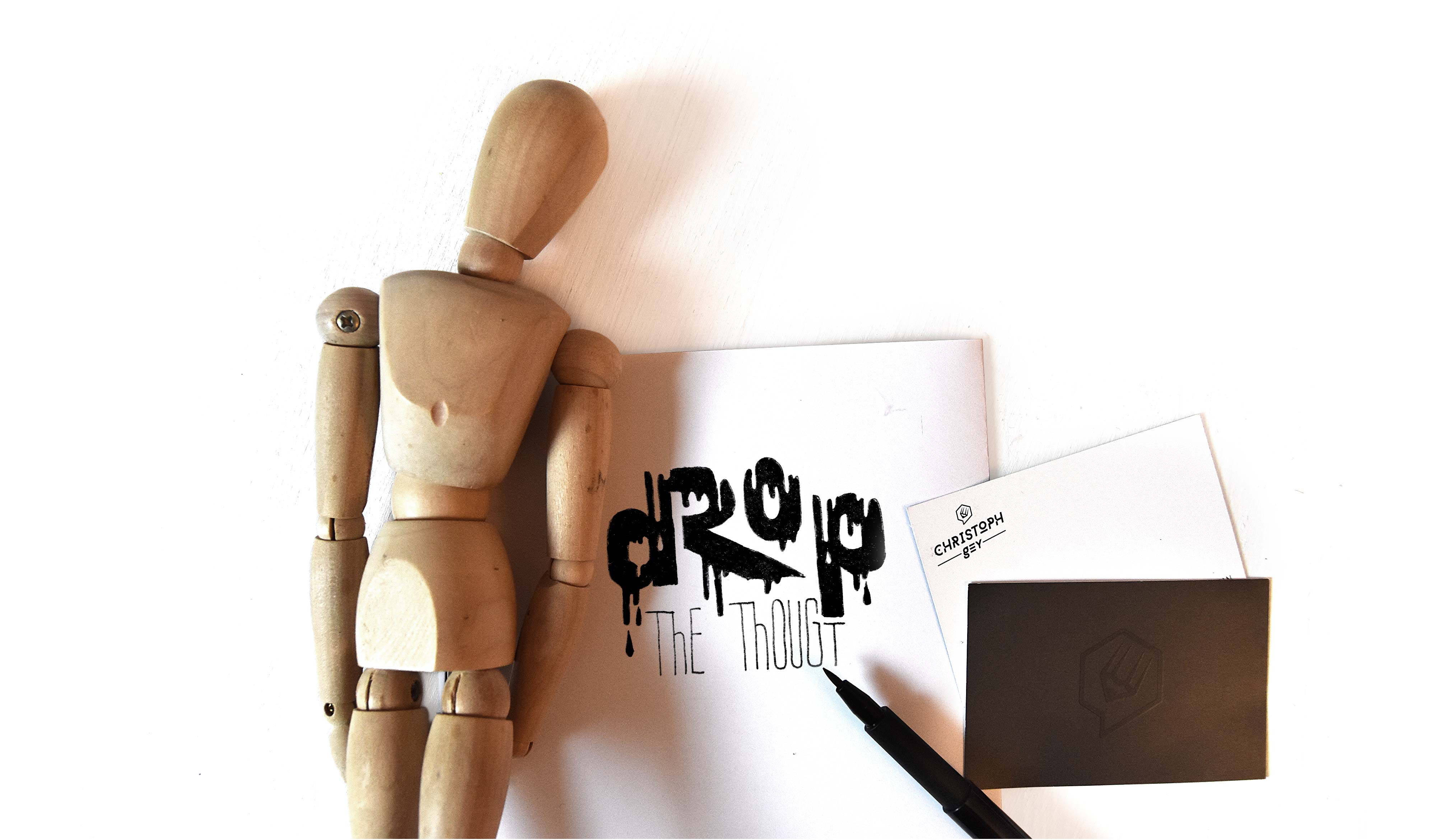
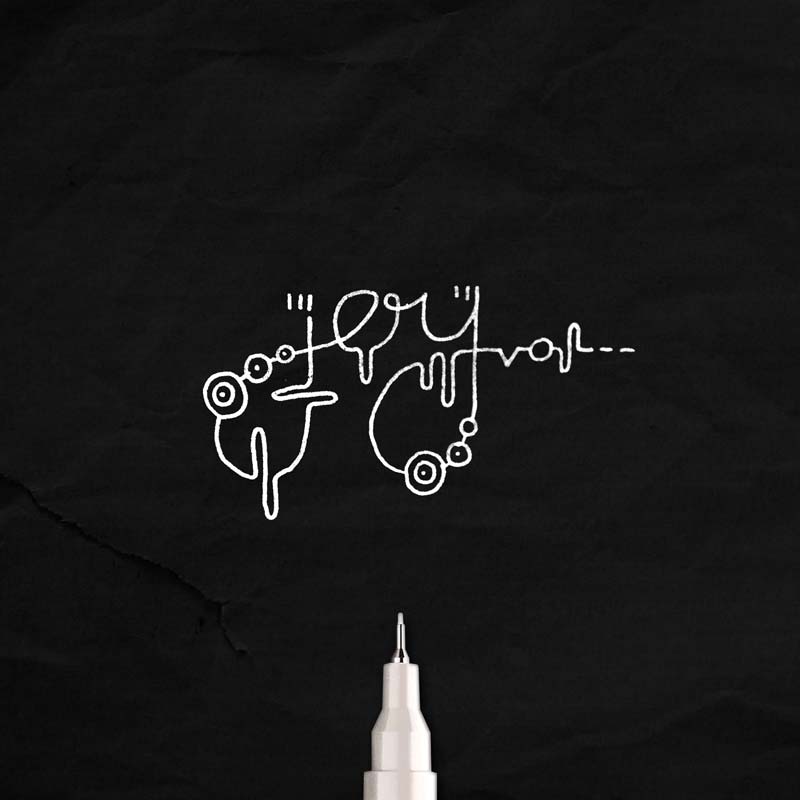
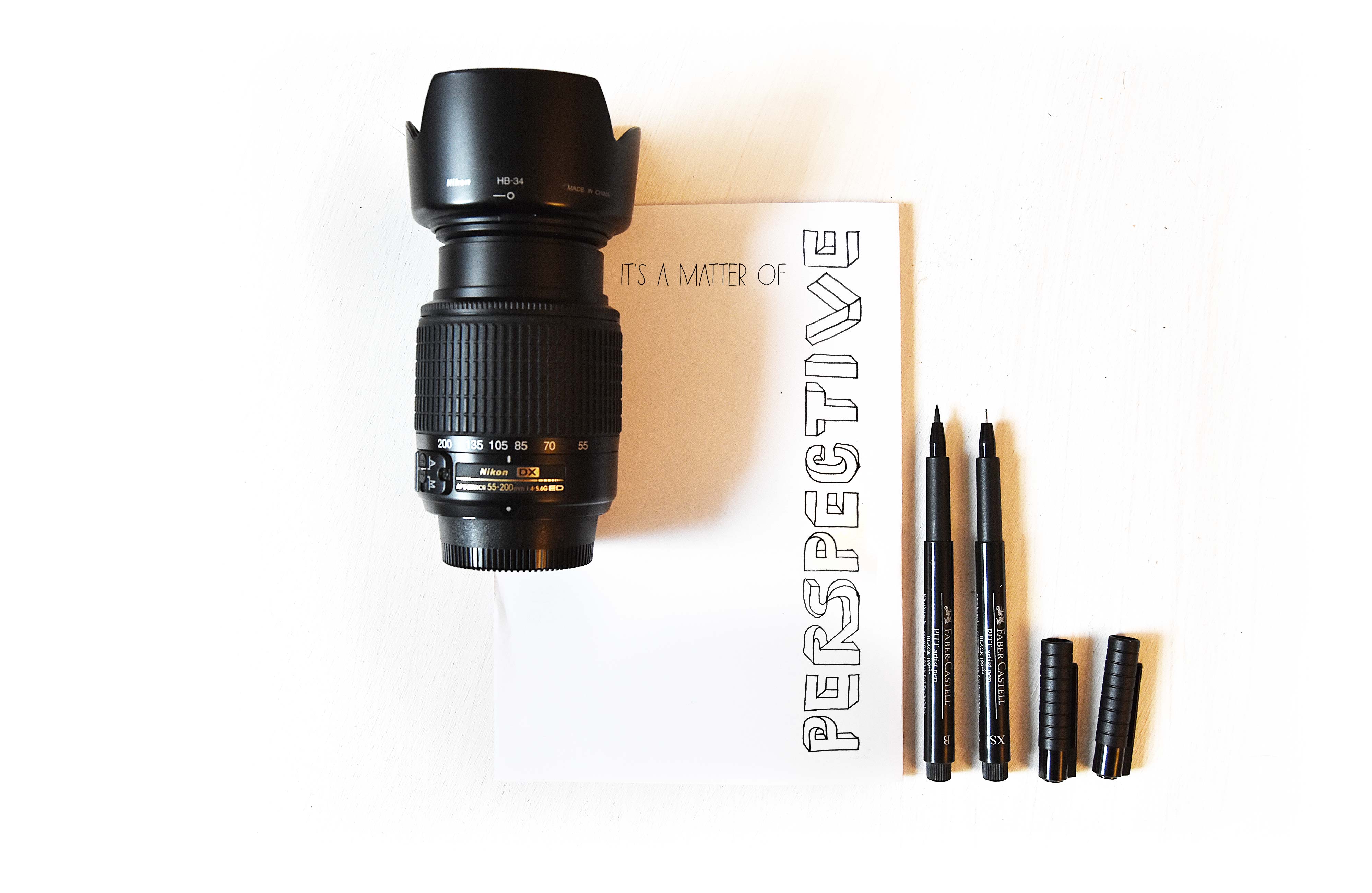
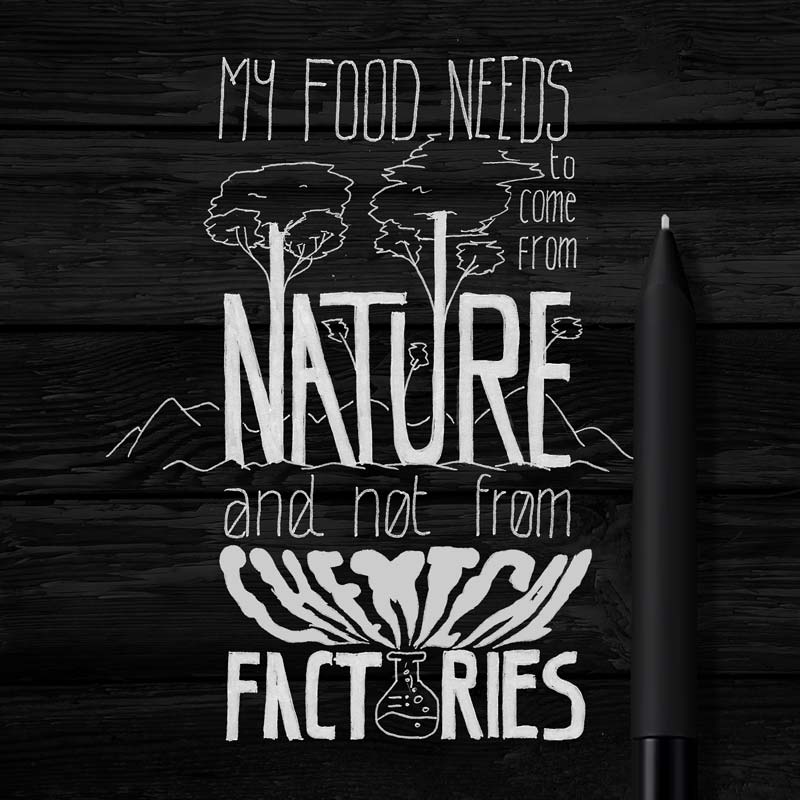
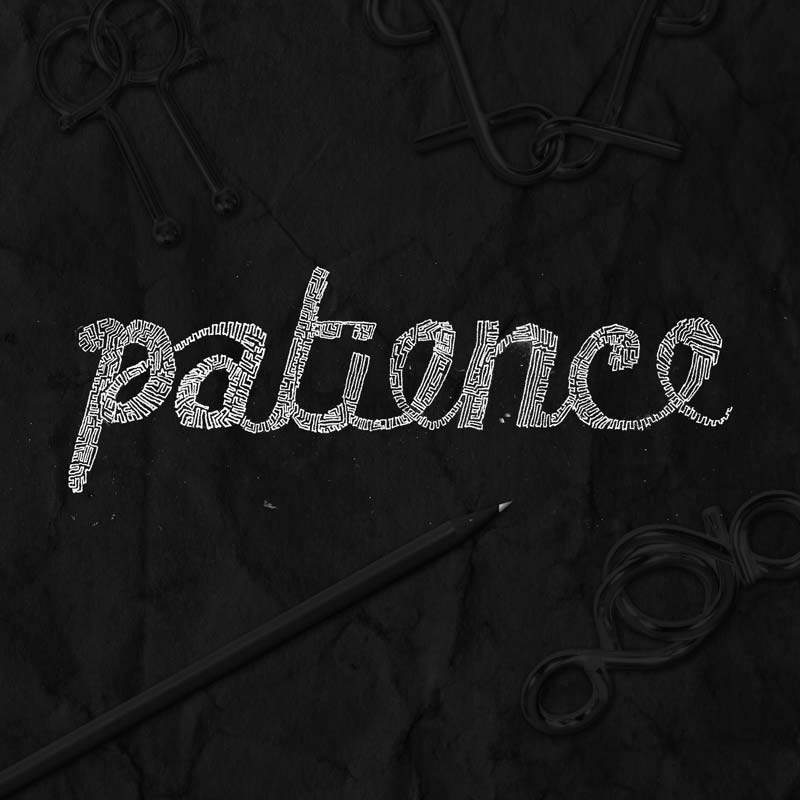
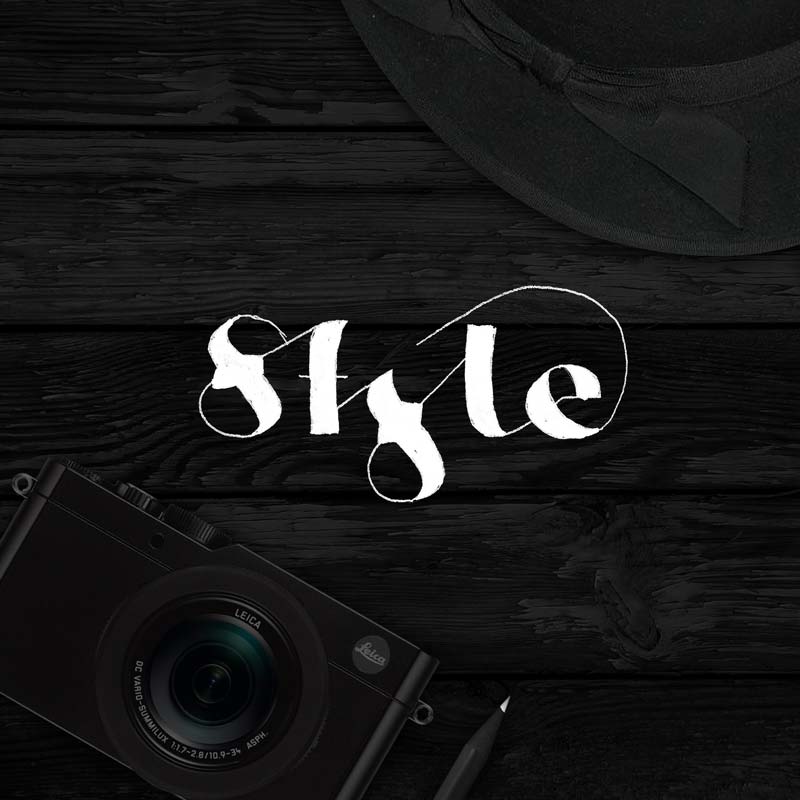
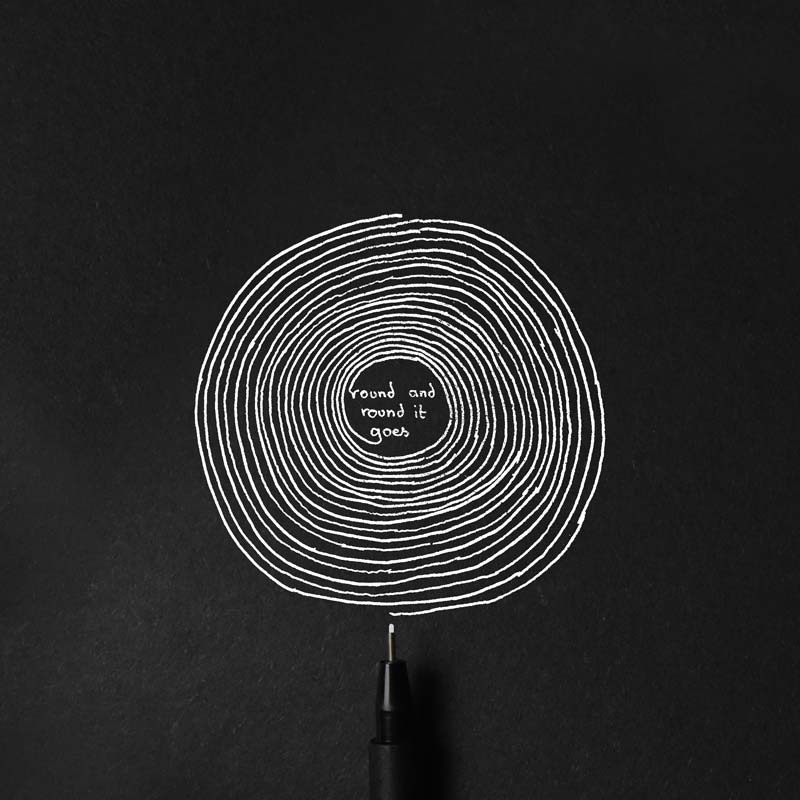
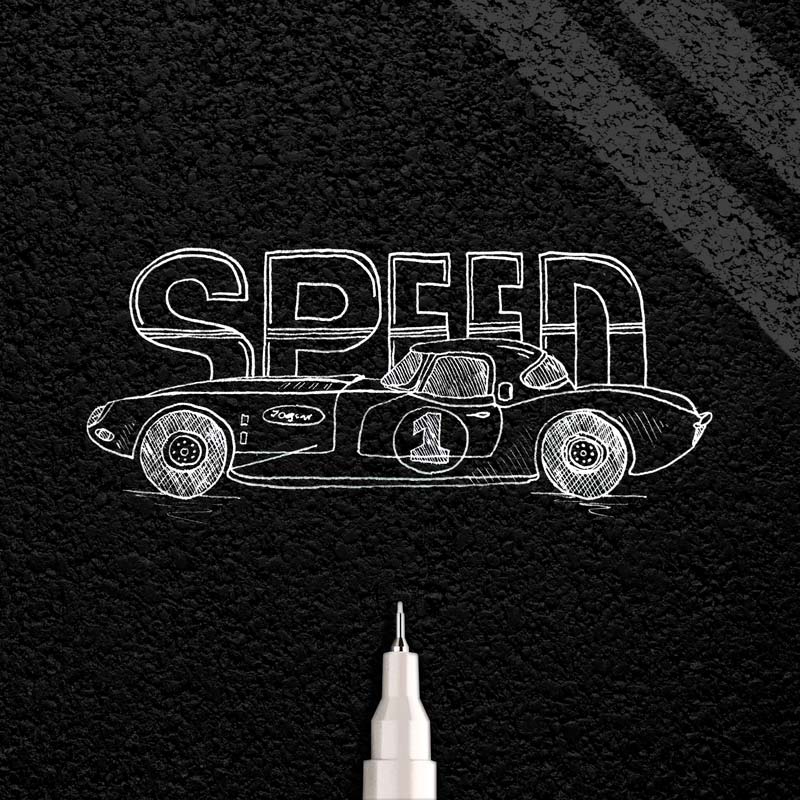
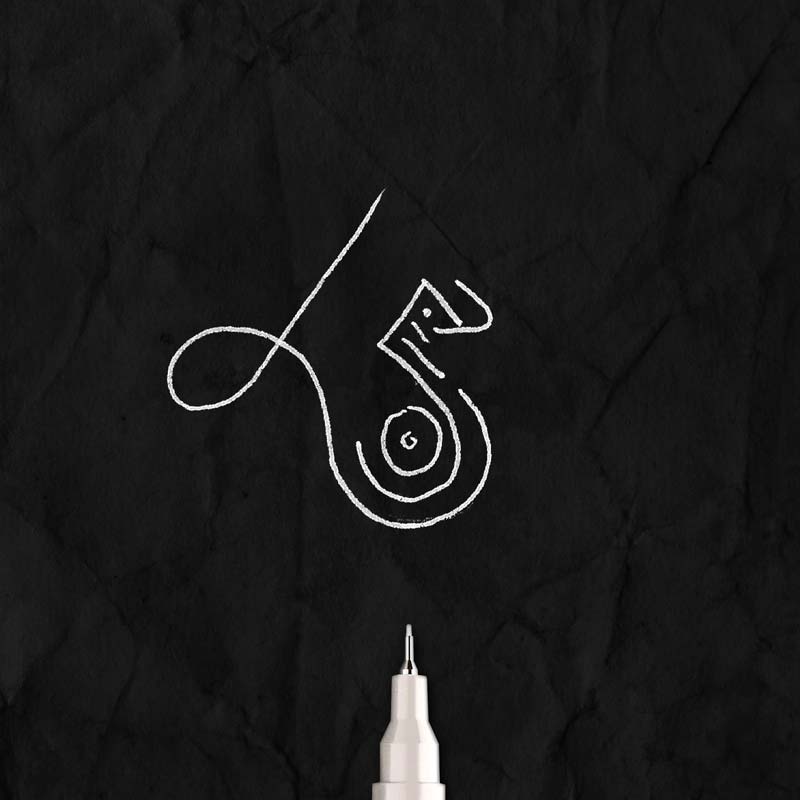
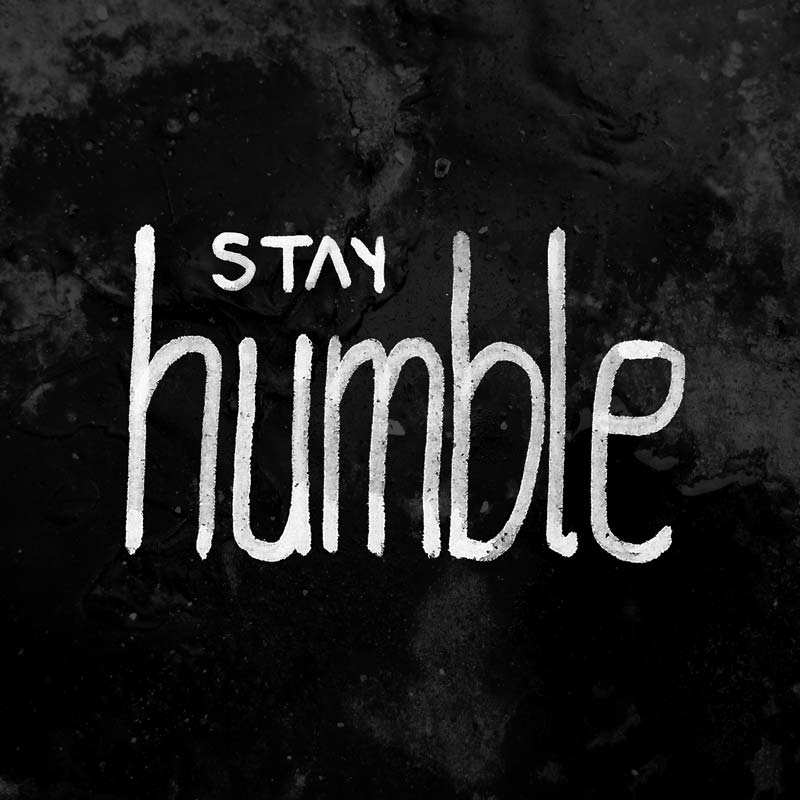
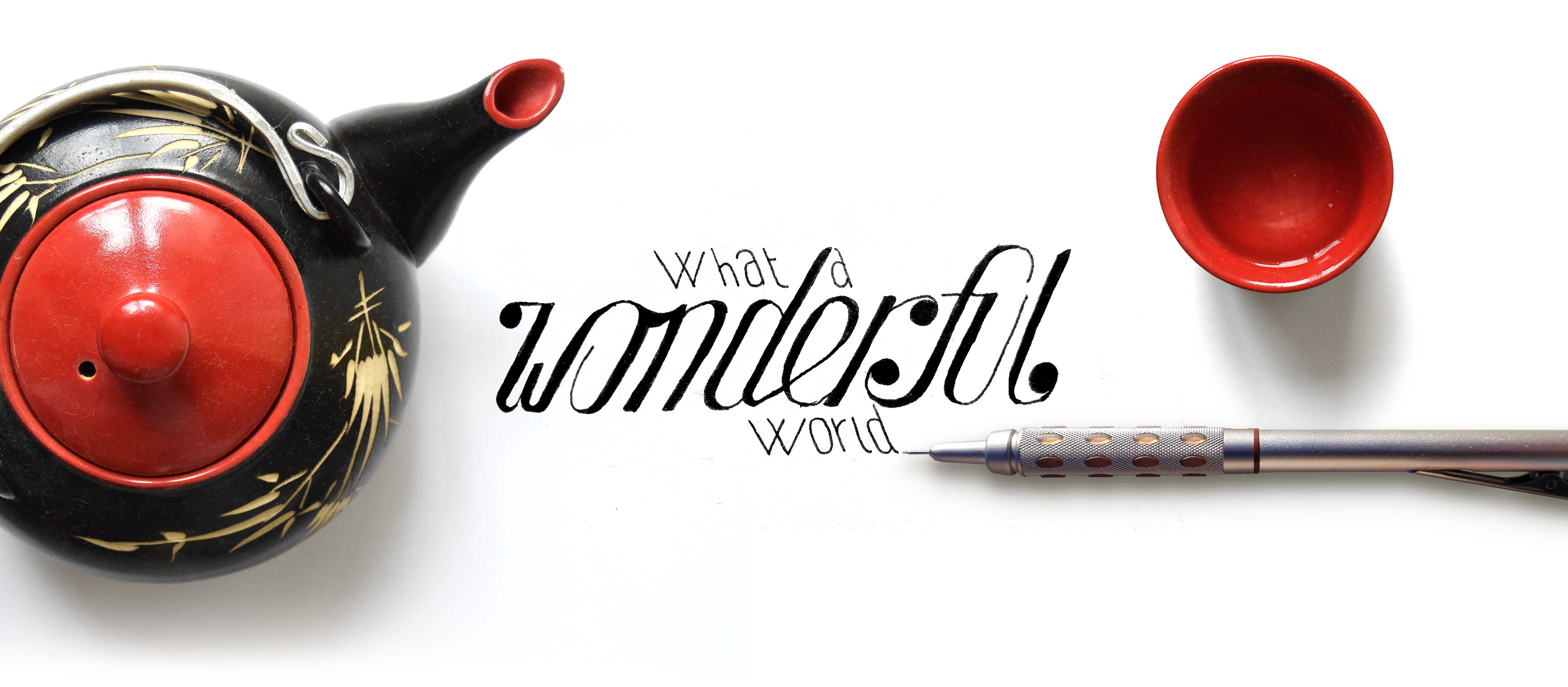
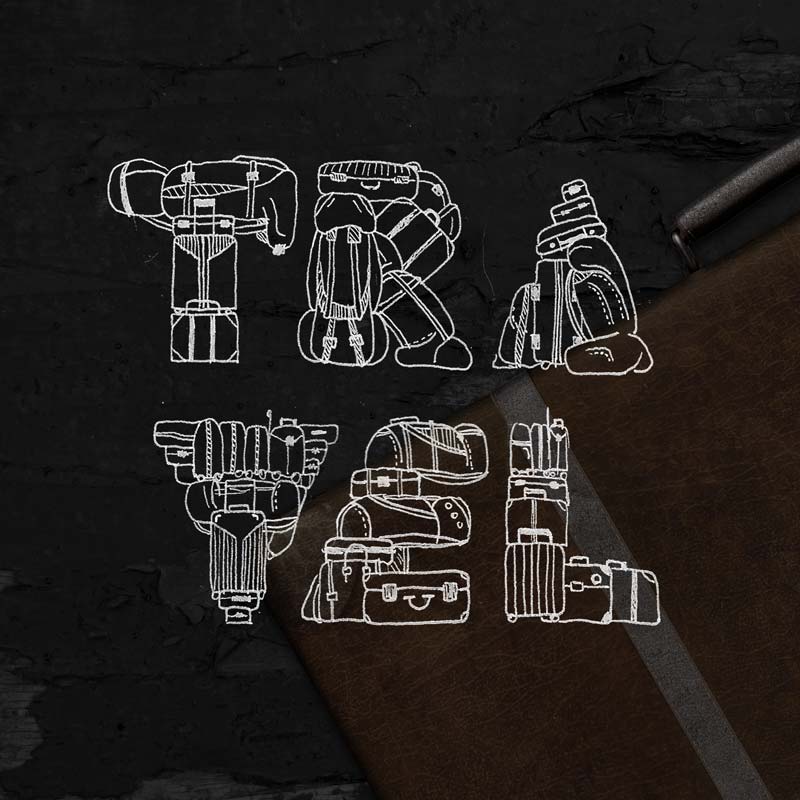
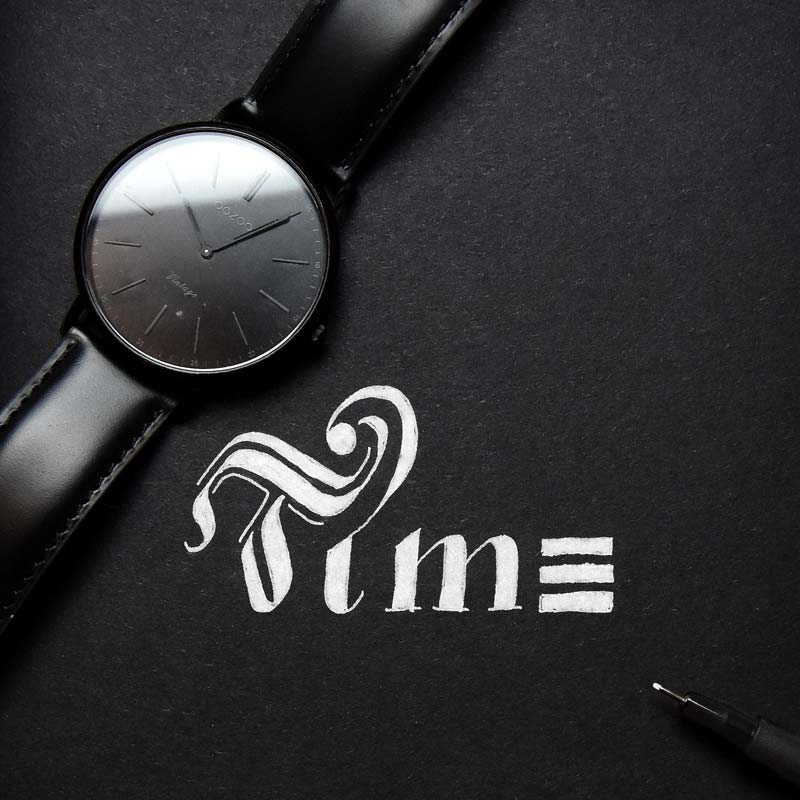
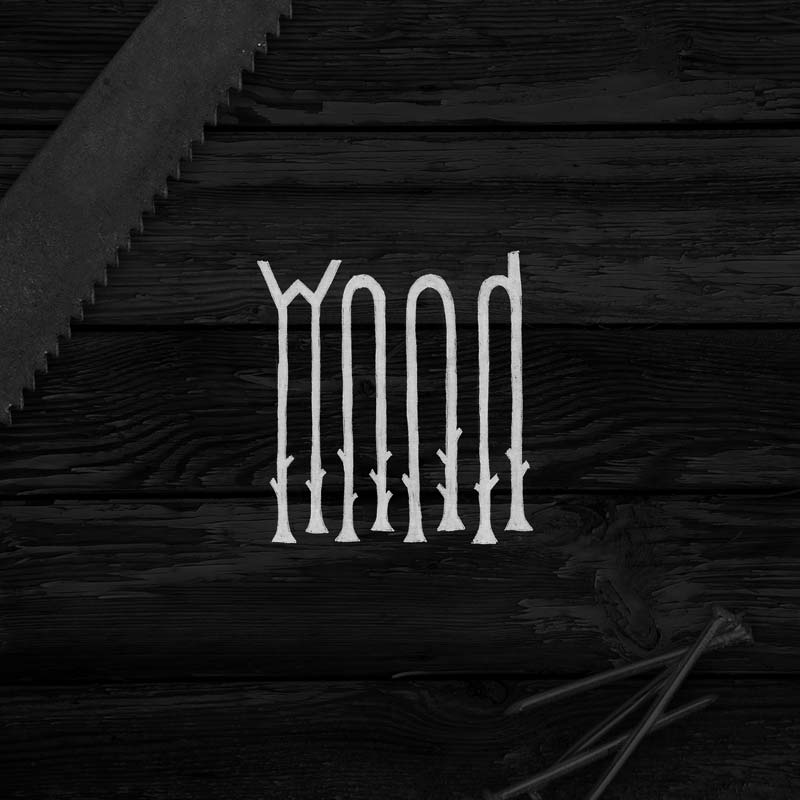
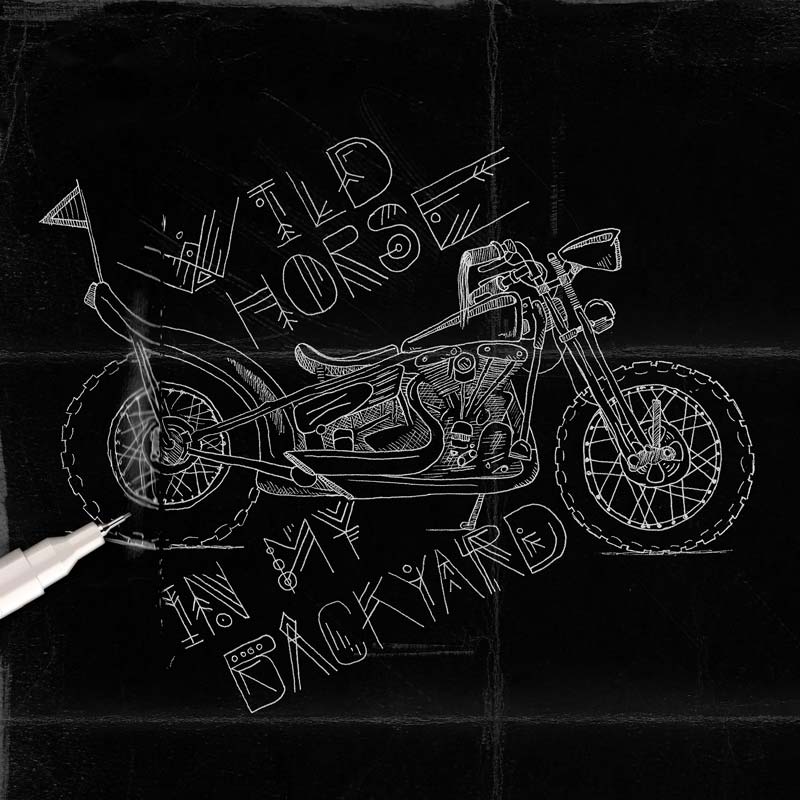
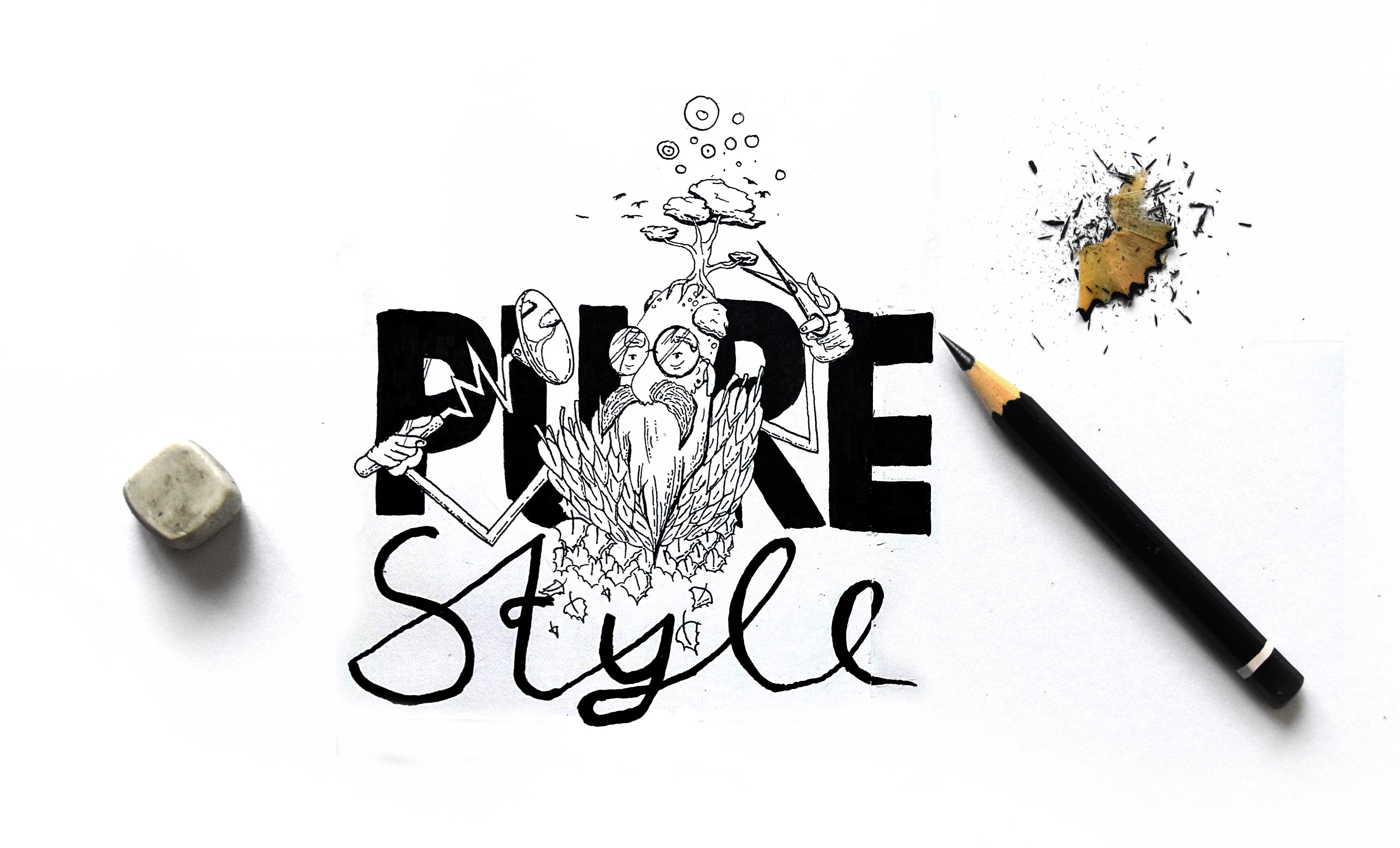
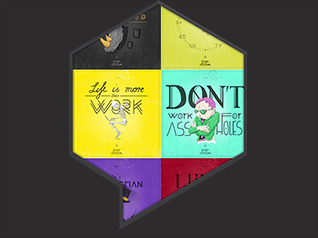
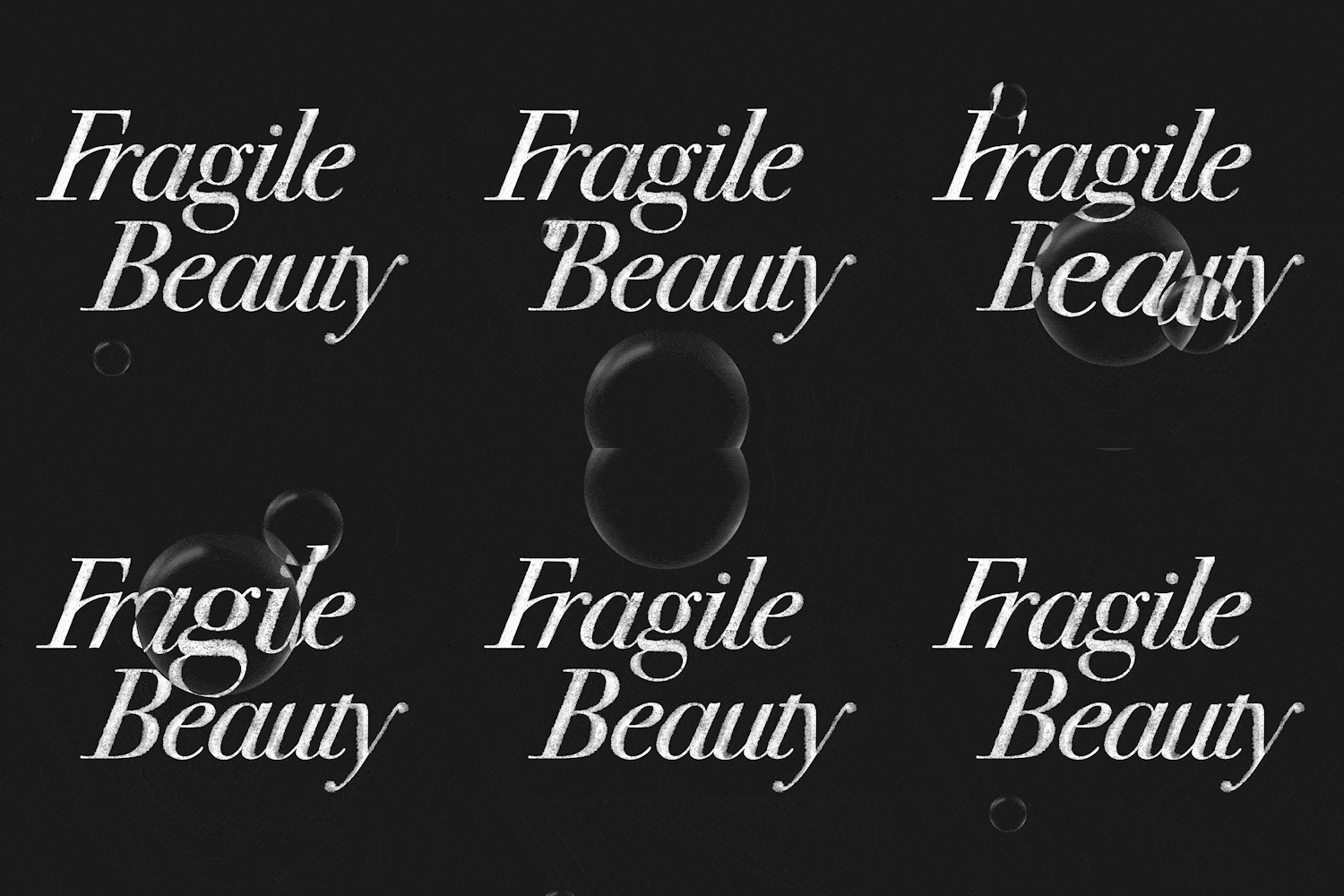
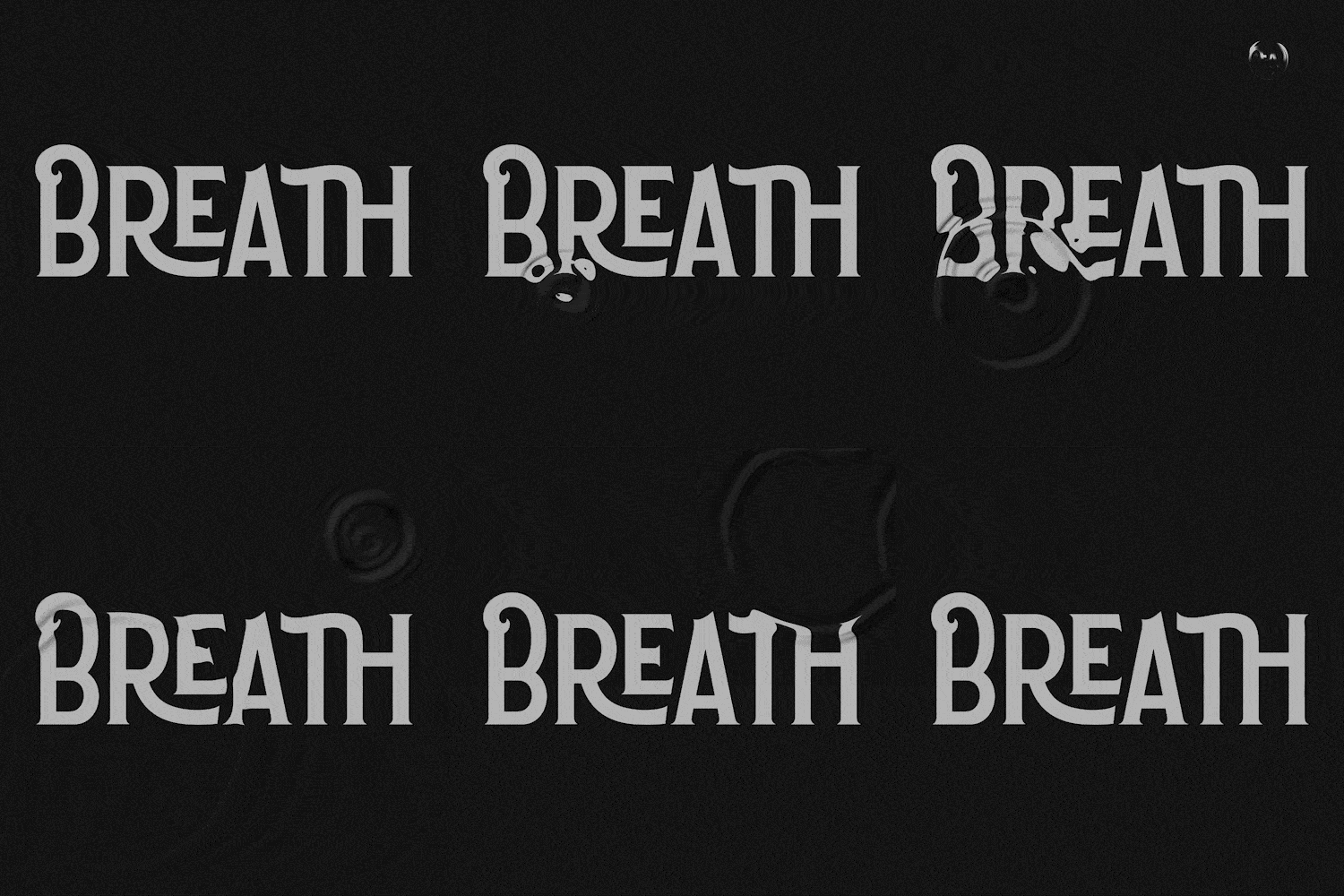
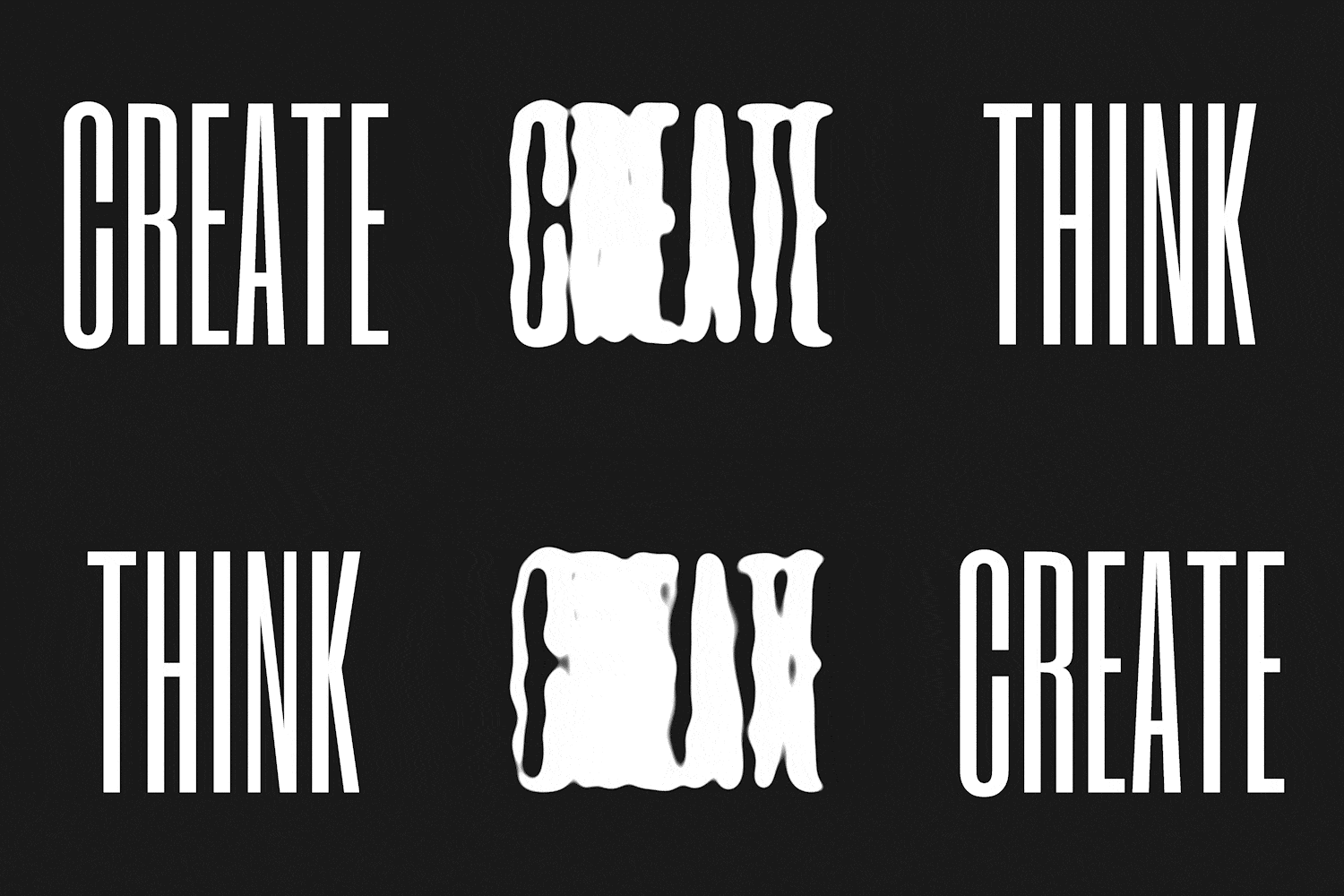
TYPE HYPE is a self-initiated experimental project exploring typography at its most reduced state. The focus lies on ideas rather than polish, on thinking rather than delivering, and on questioning established patterns instead of repeating what already works.
The project serves both as a creative playground and a conscious counter-movement to routine-driven client work.
Motivation
Working continuously for the same clients can slowly push designers into a silo. Processes become predictable, structures are rarely questioned, and design decisions are often based on what is proven to work.
This is a dangerous place for designers. TYPE HYPE was created as an antidote:
-
To break habits
-
To challenge personal routines
-
To ask uncomfortable questions
-
To actively push beyond the status quo
Role:
Concept, Typography, Illustration, Motion
Focus:
Reduction, Experimentation, Conceptual Thinking



Core Idea
The central question behind TYPE HYPE was:
How far can an idea be reduced while still remaining clear, expressive, and meaningful?
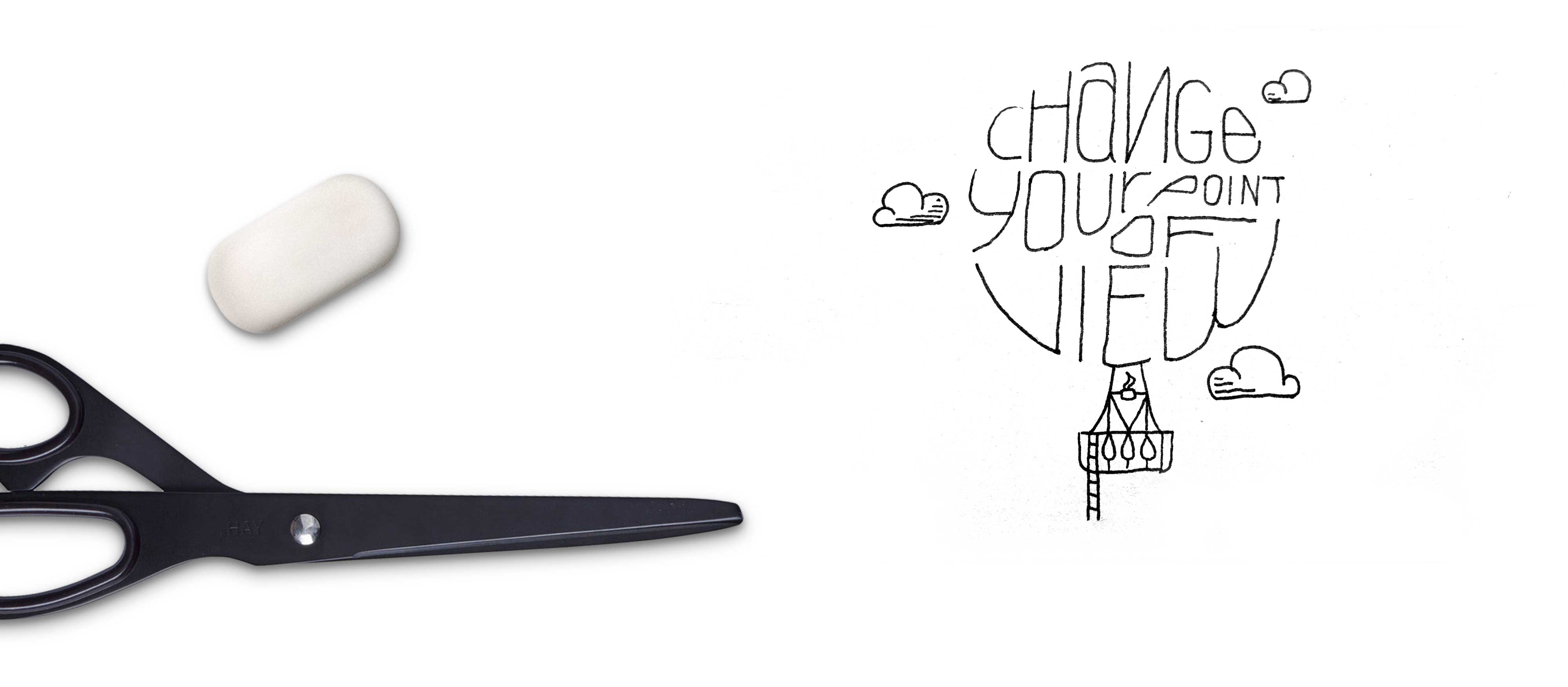
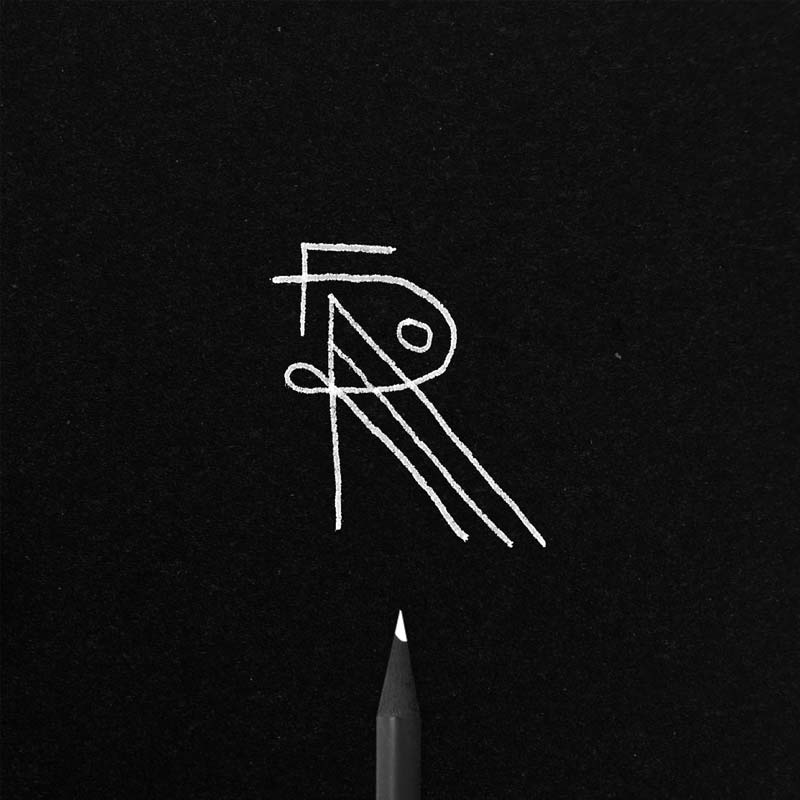
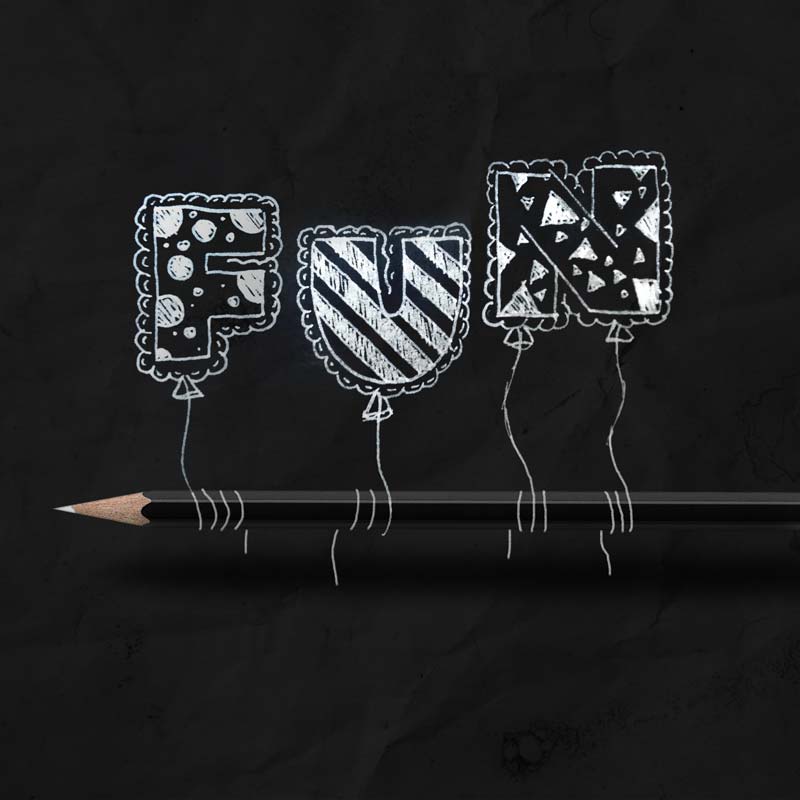
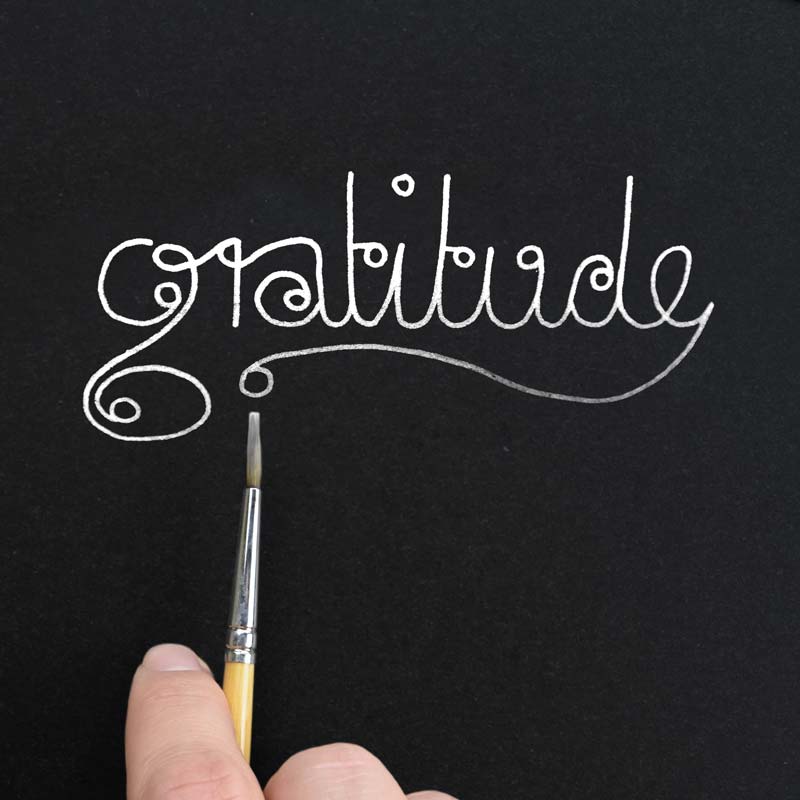
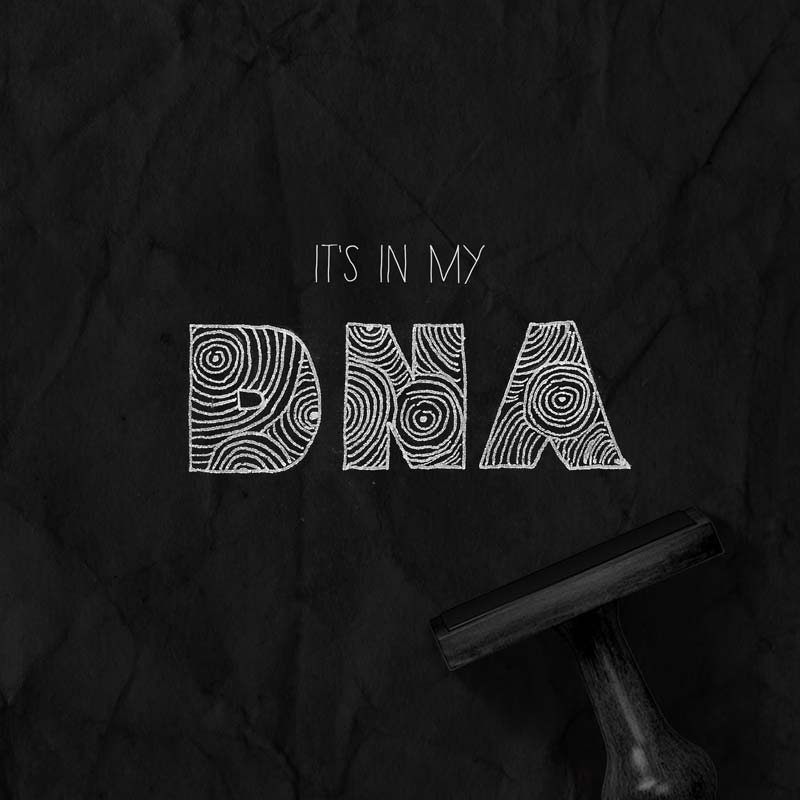
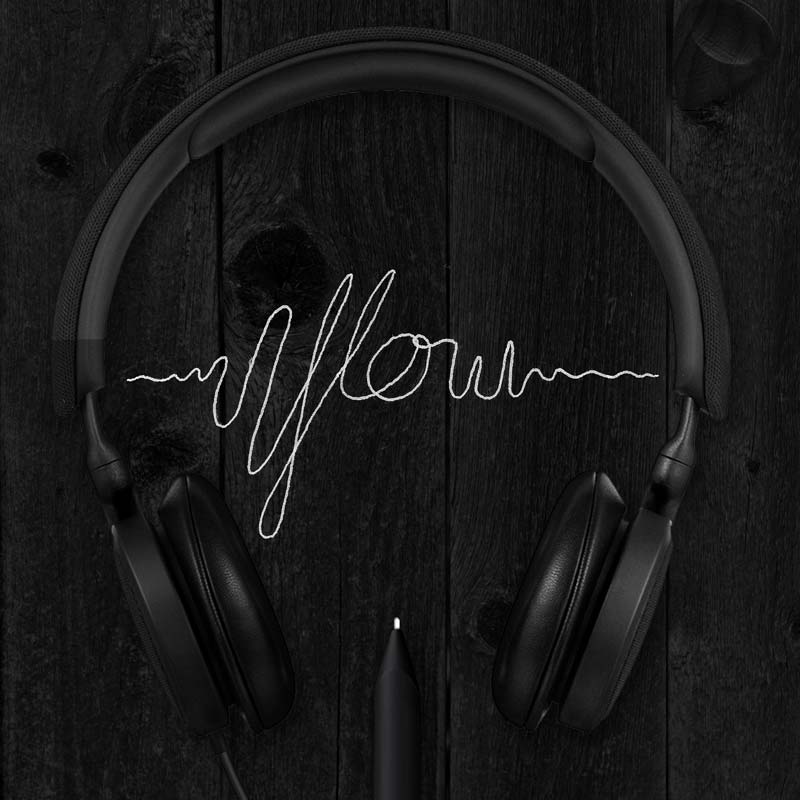
The project explores how typography alone — without color, branding, or visual decoration — can communicate concepts, emotions, and statements.
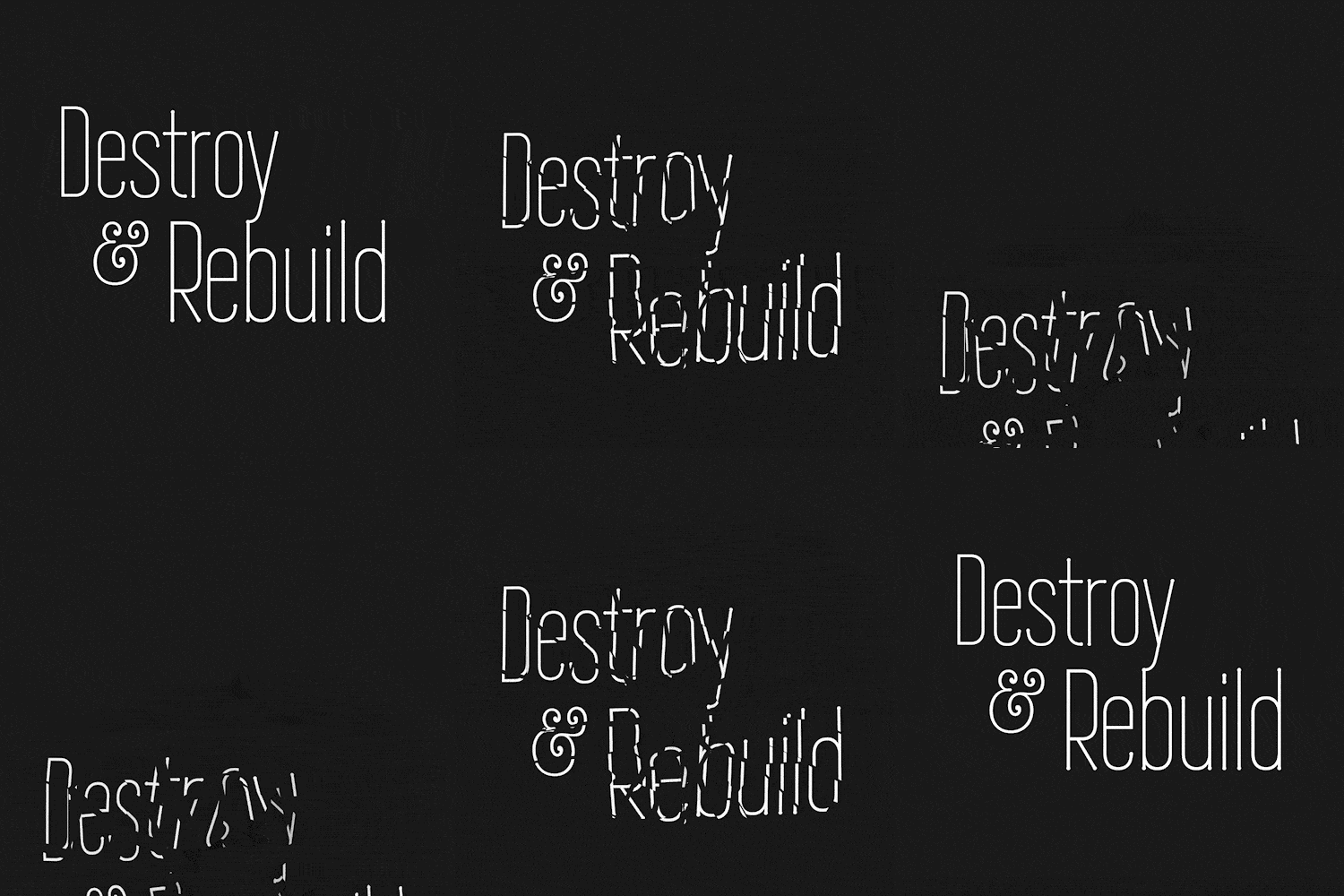
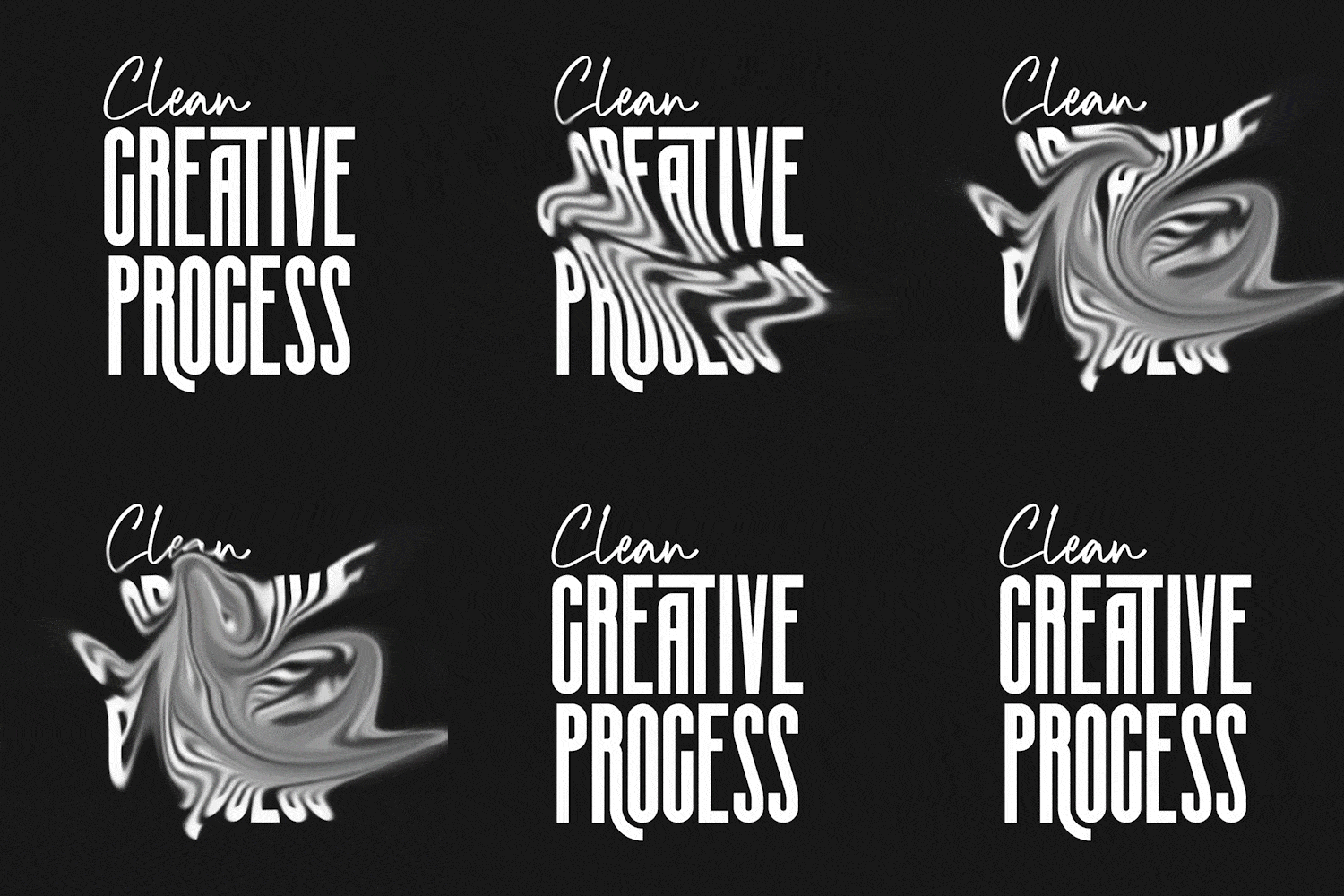
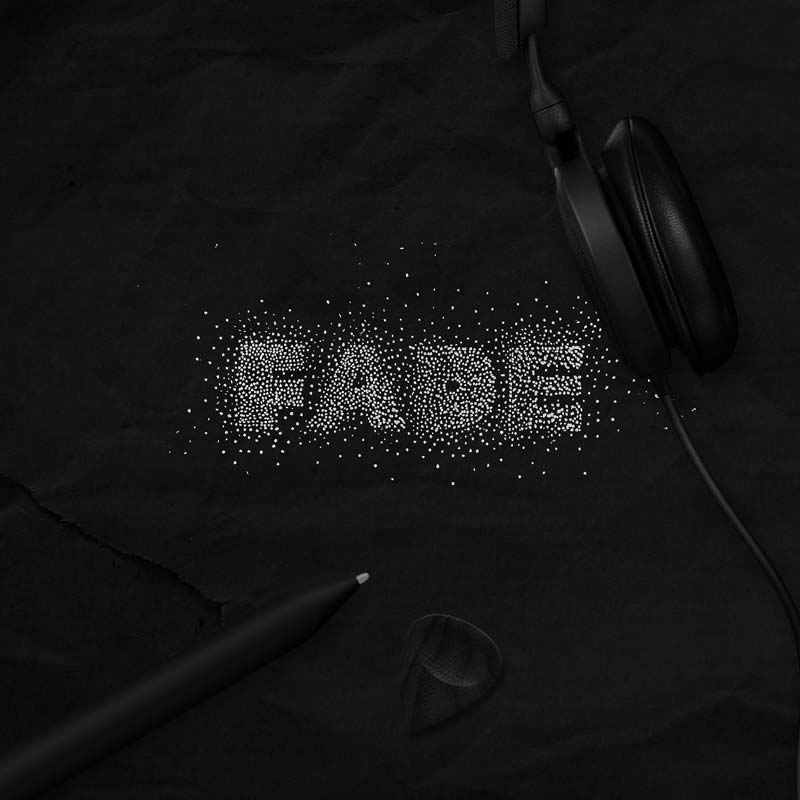
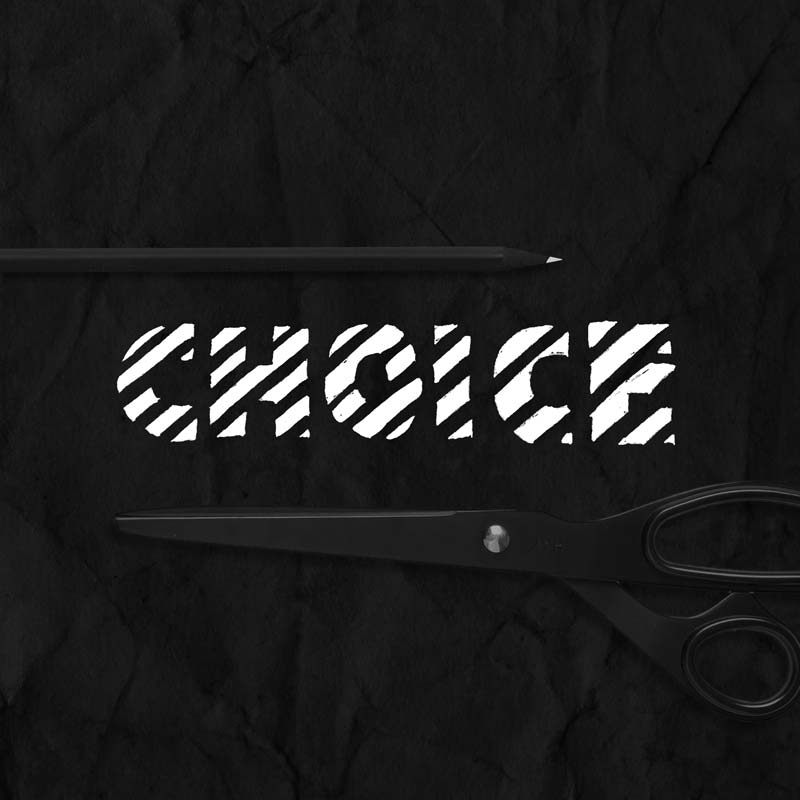
Typography Experiments
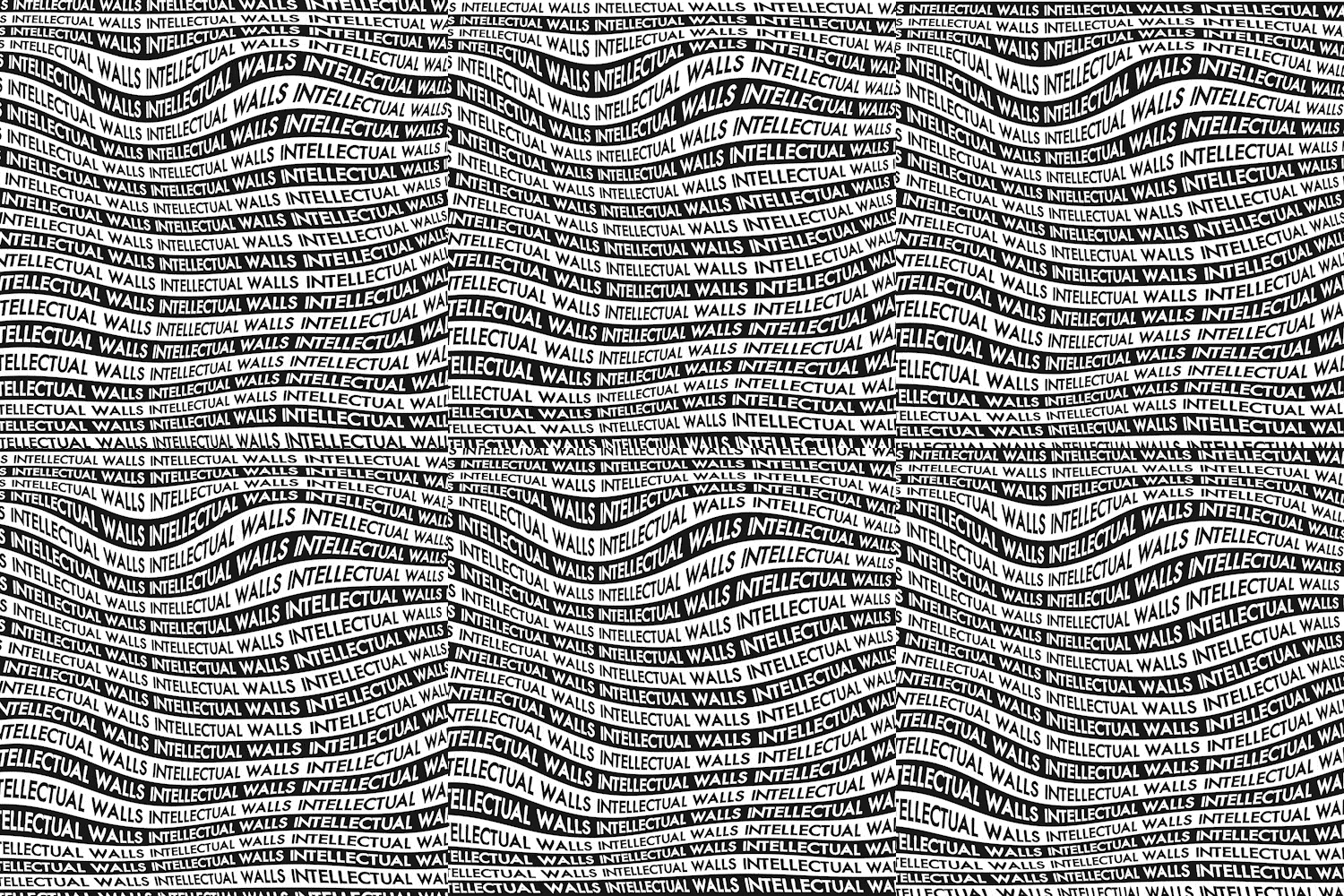
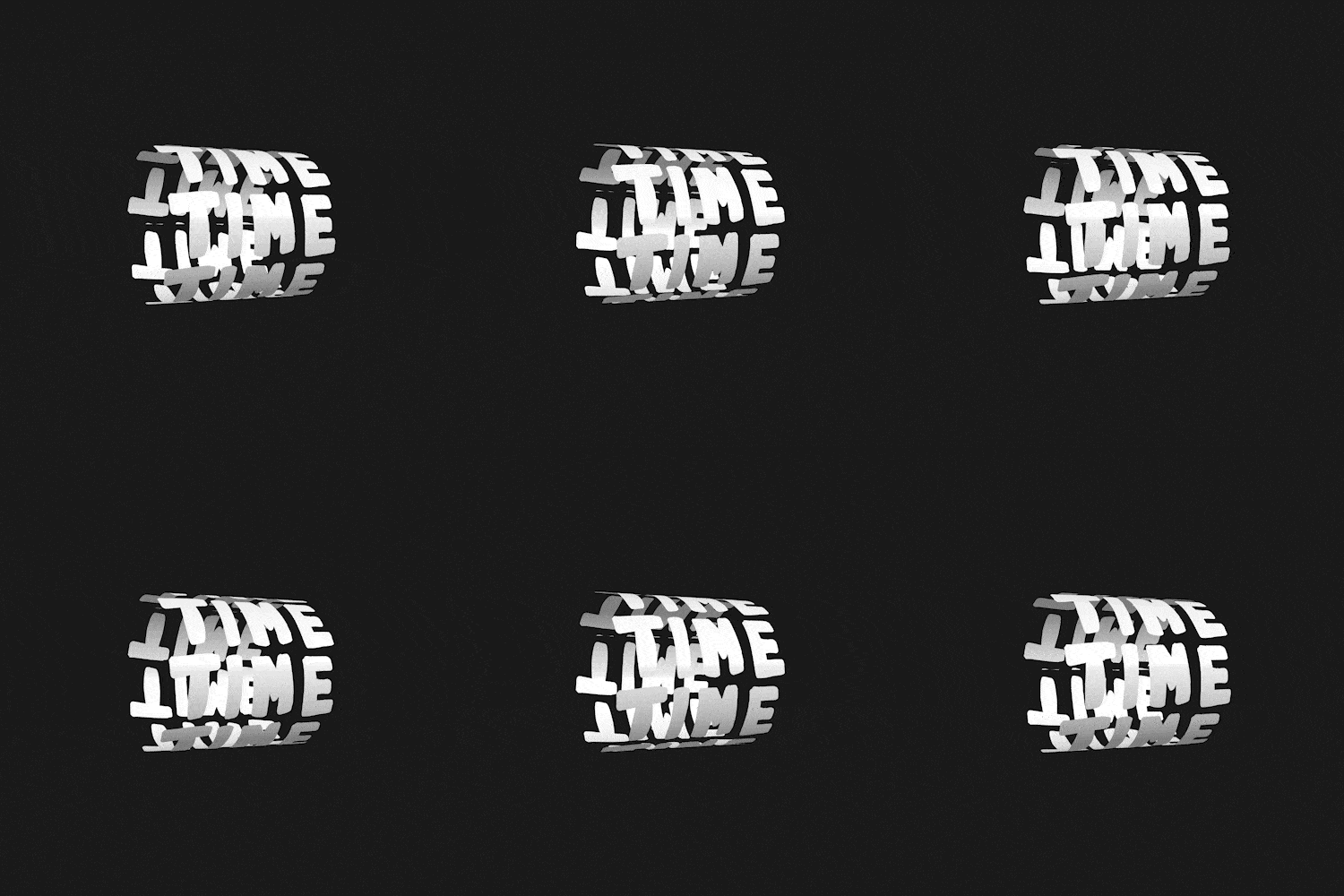
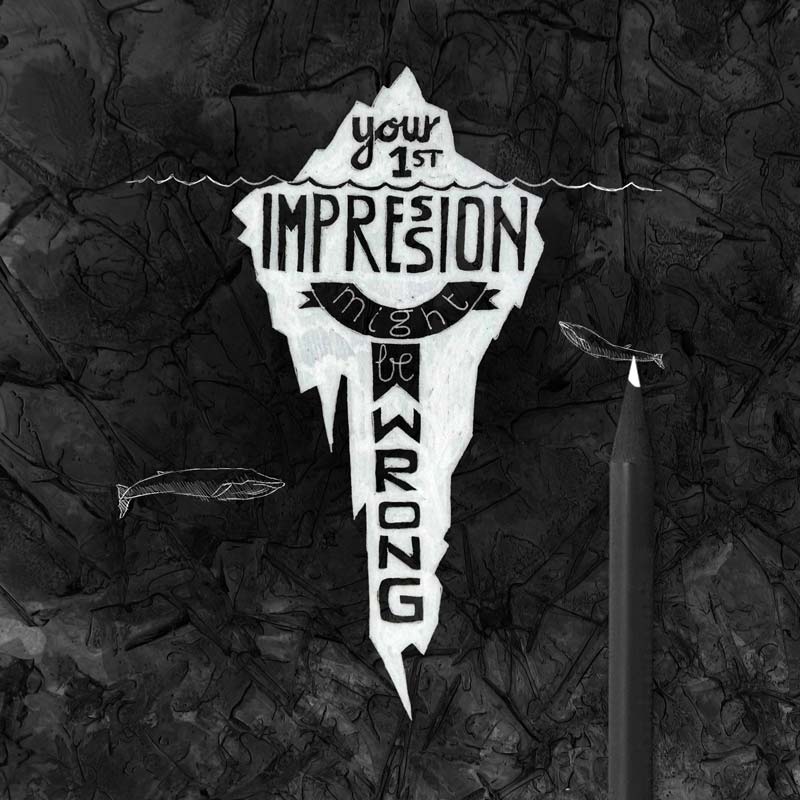
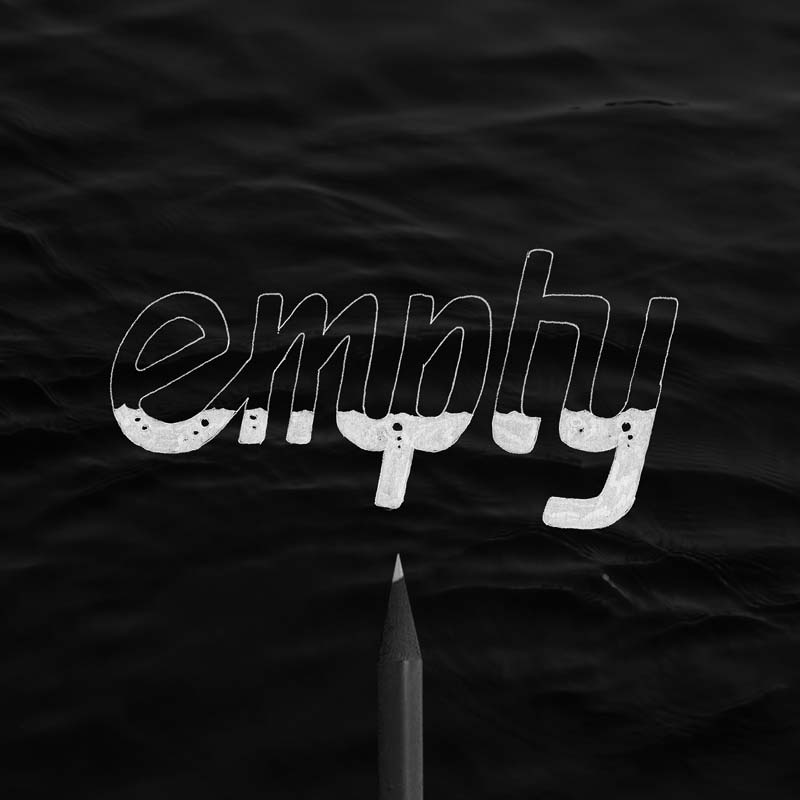
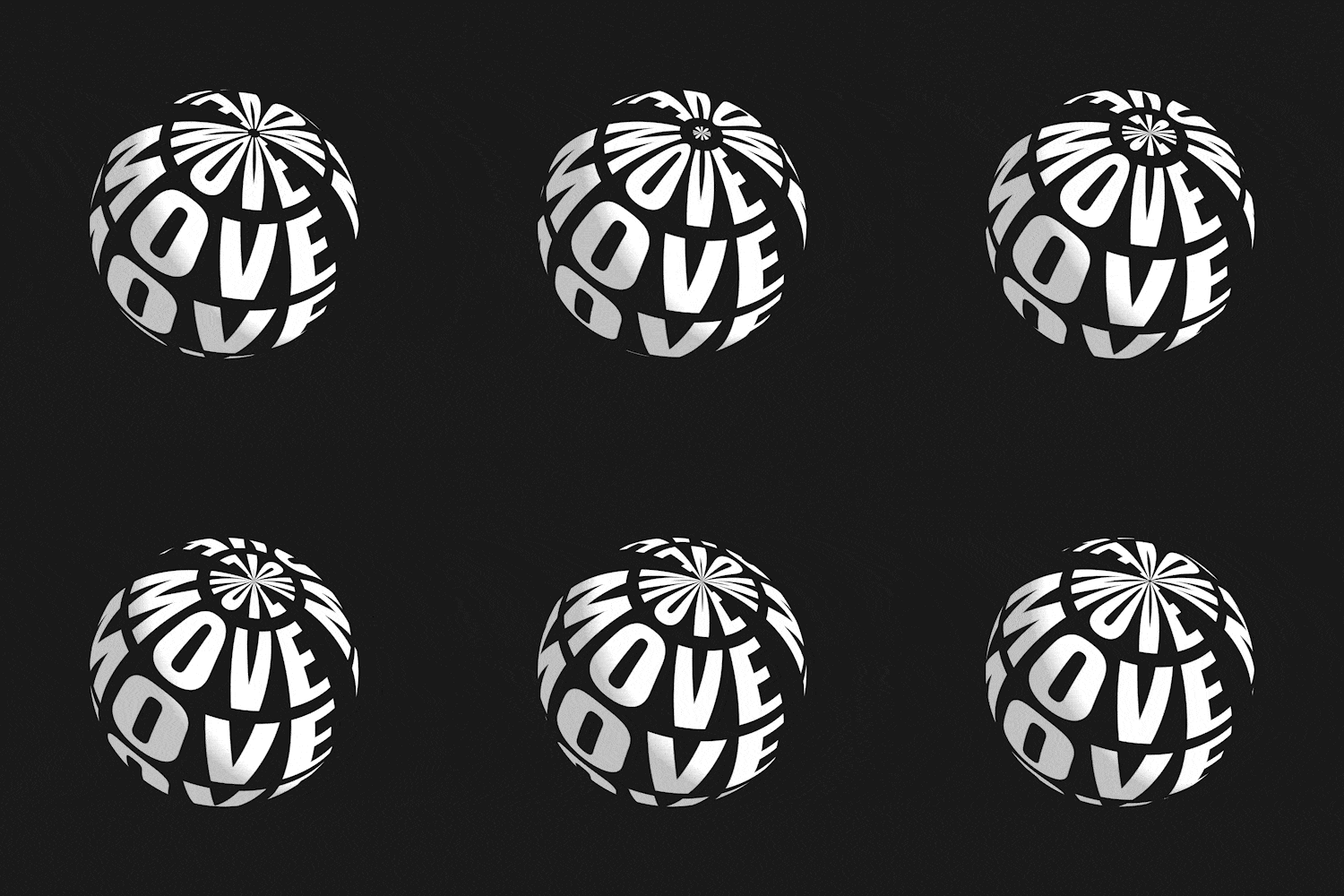
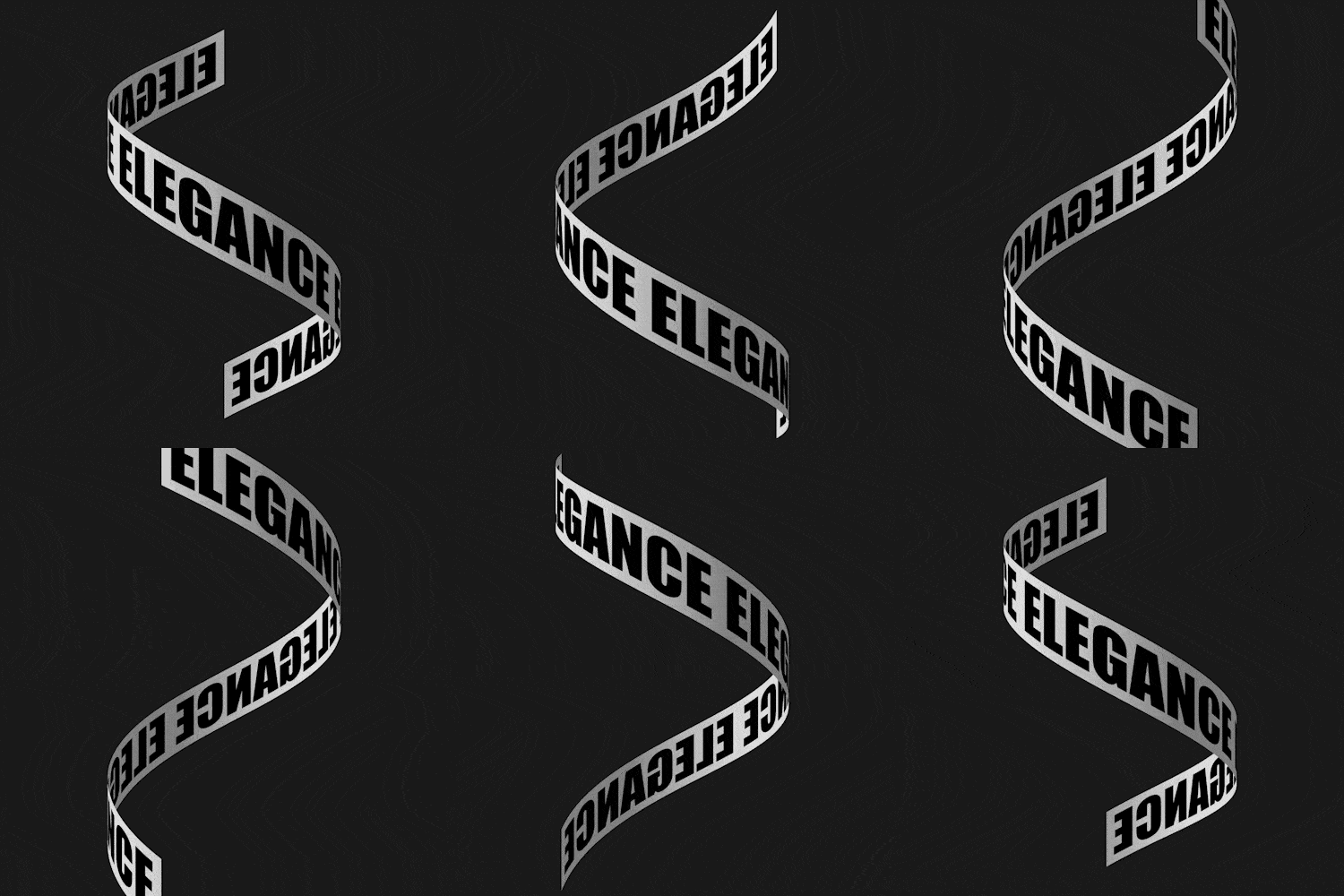
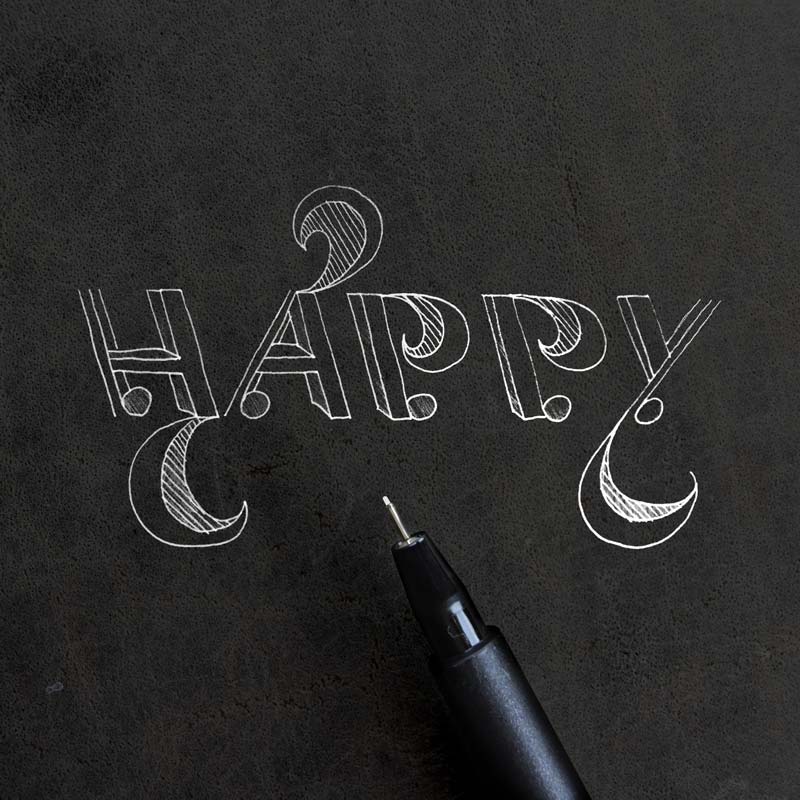
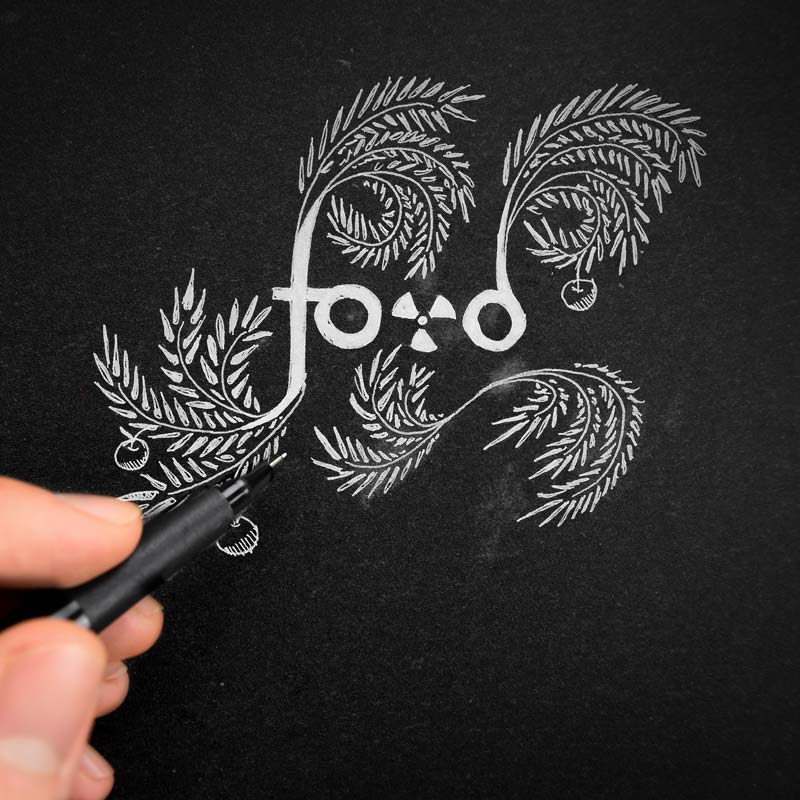
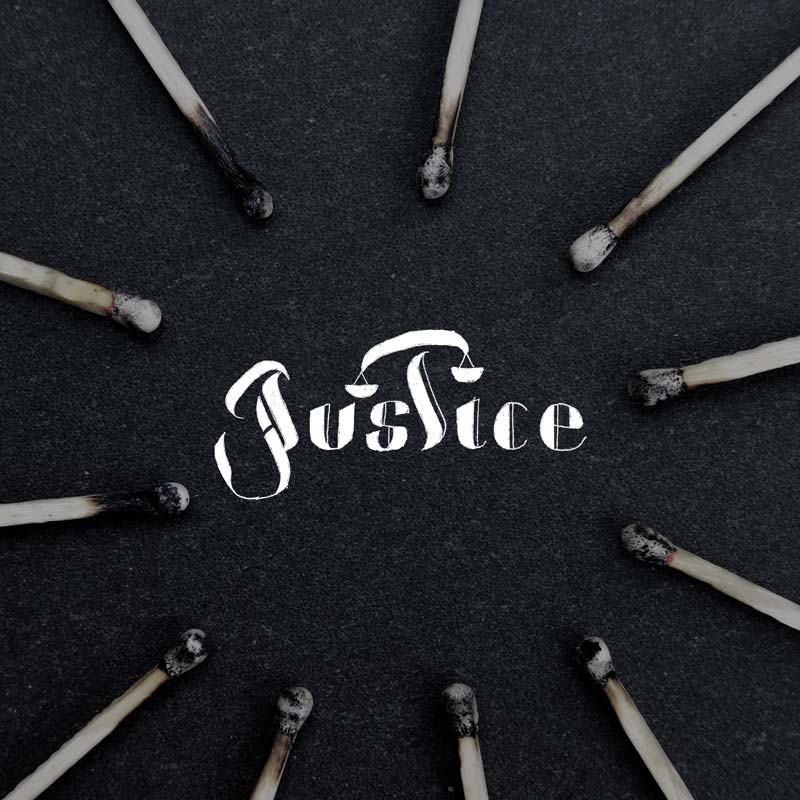
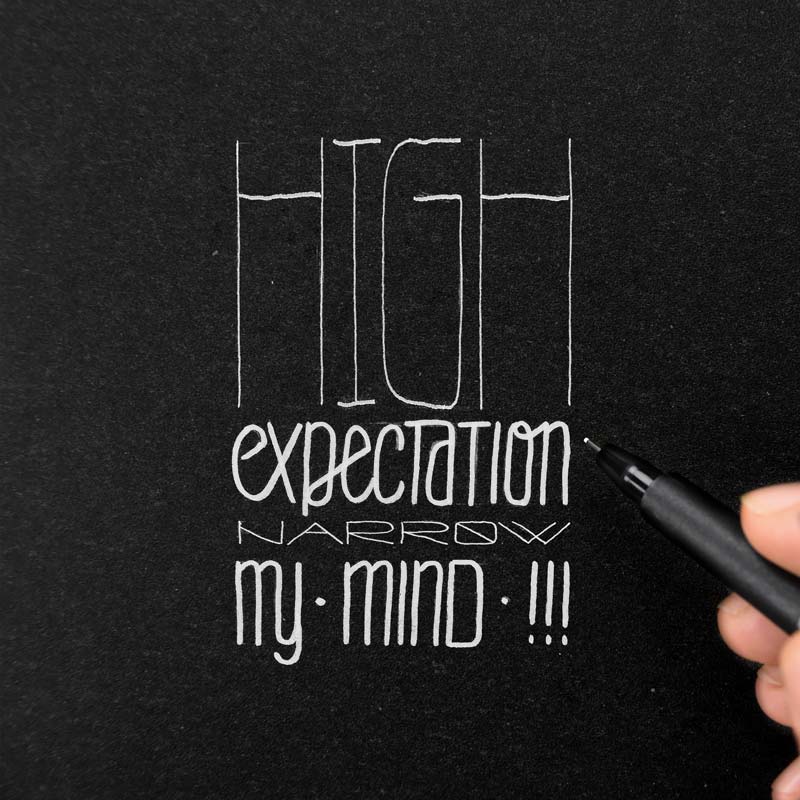
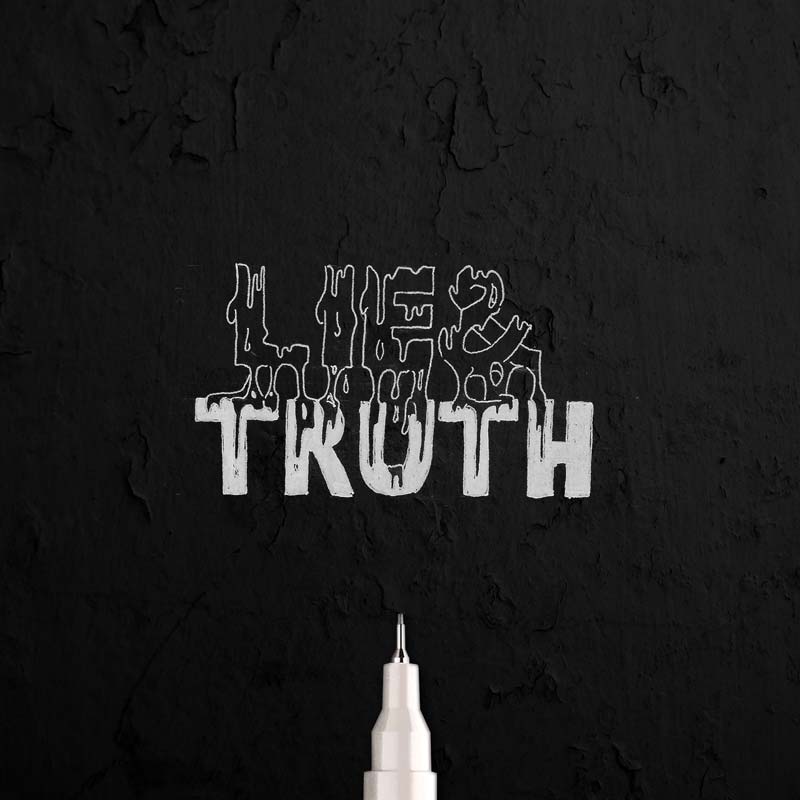
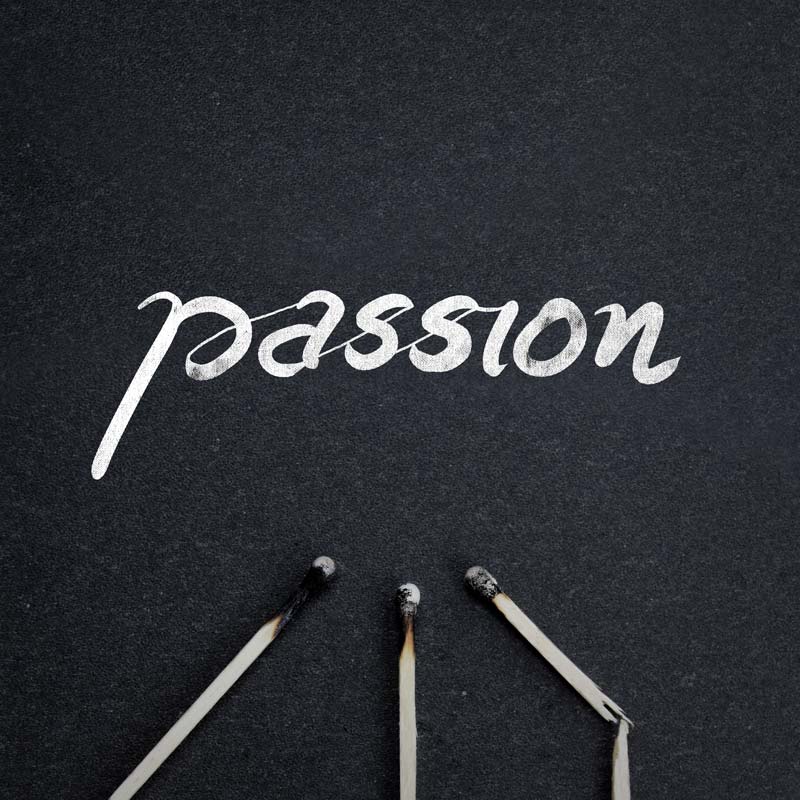
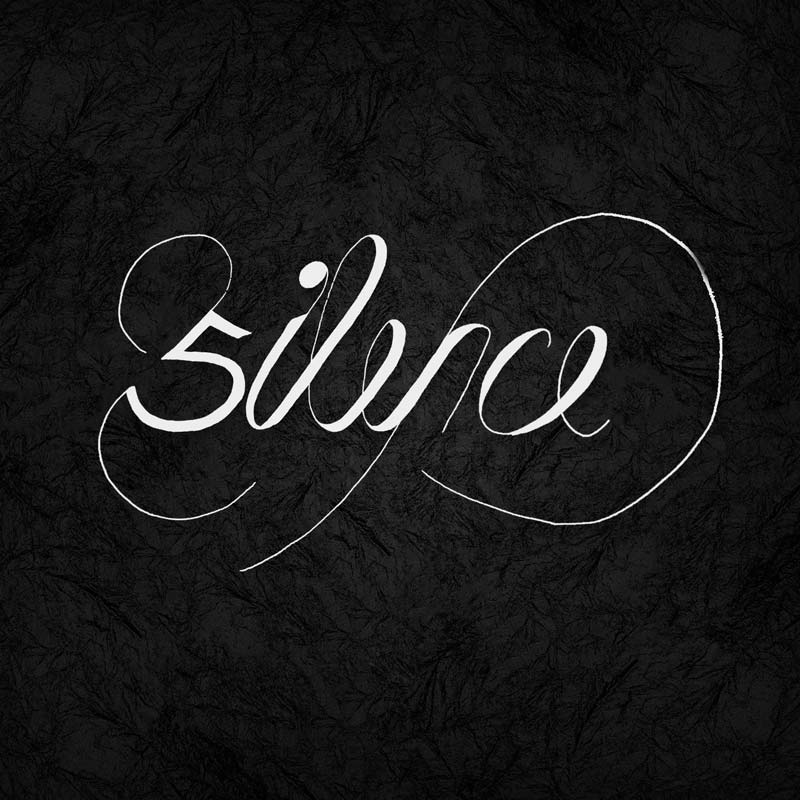
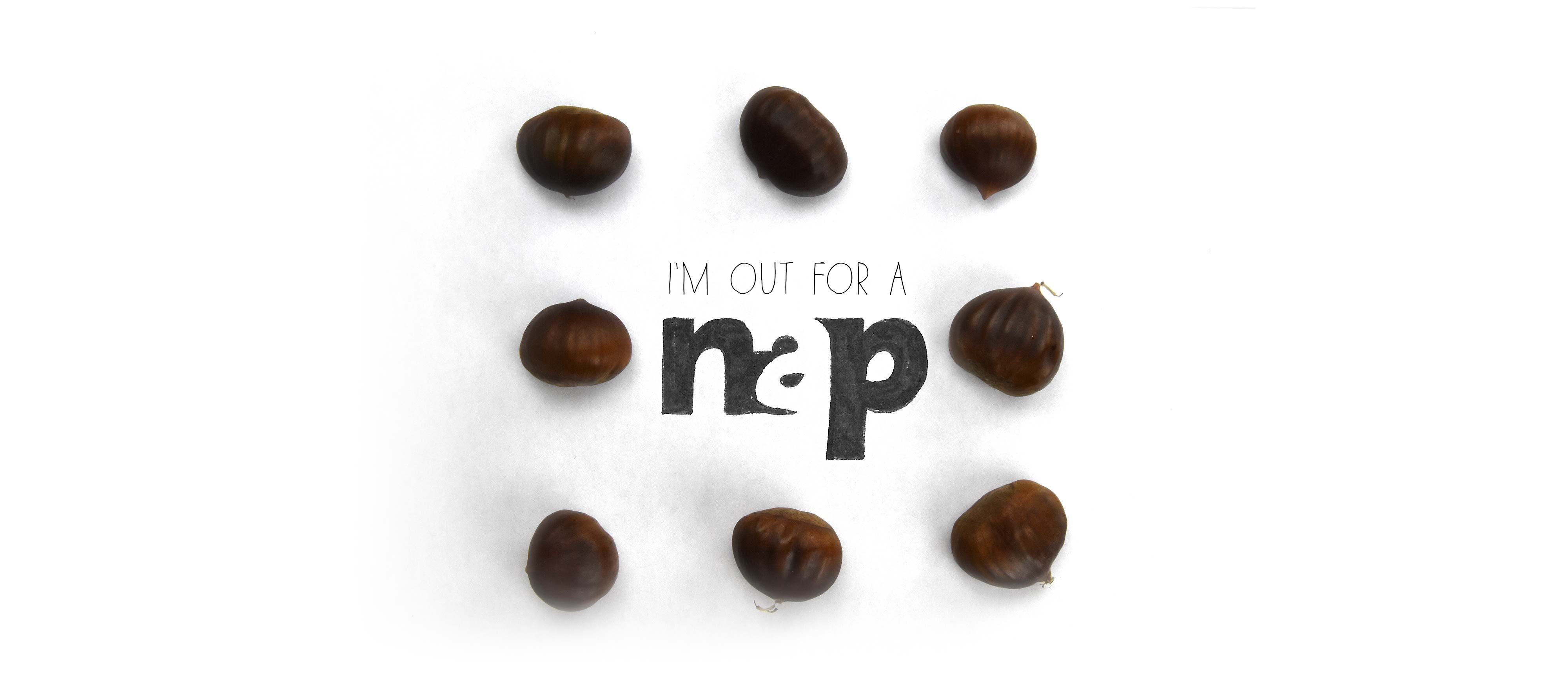
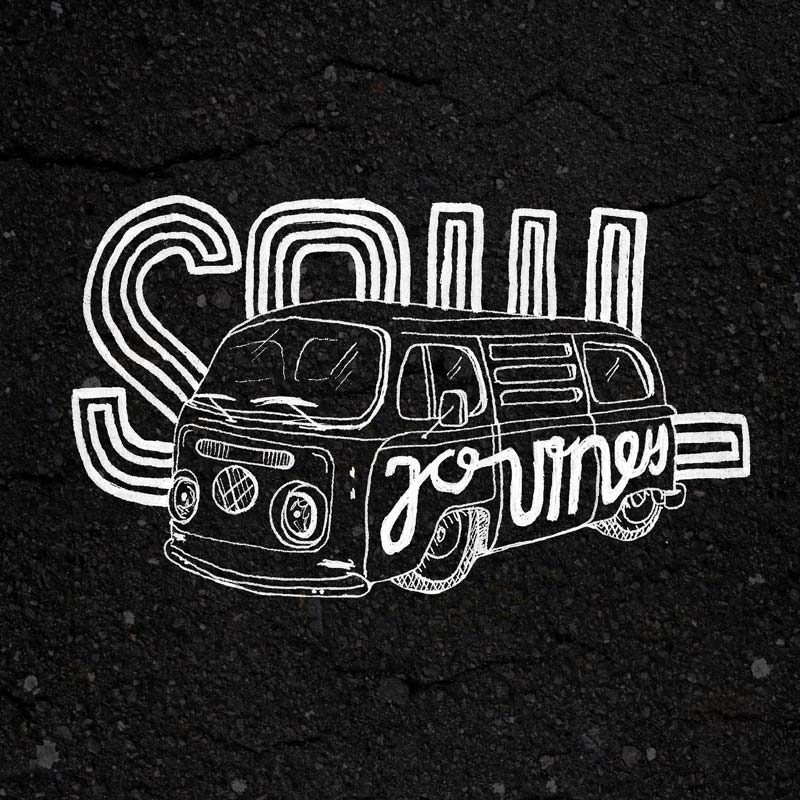
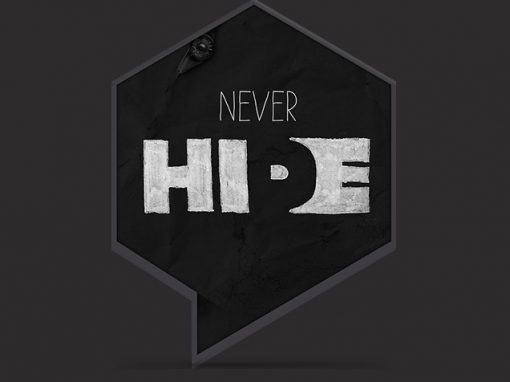
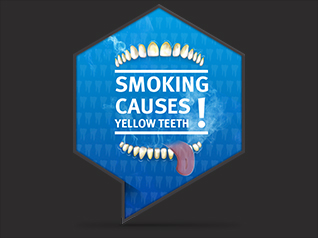
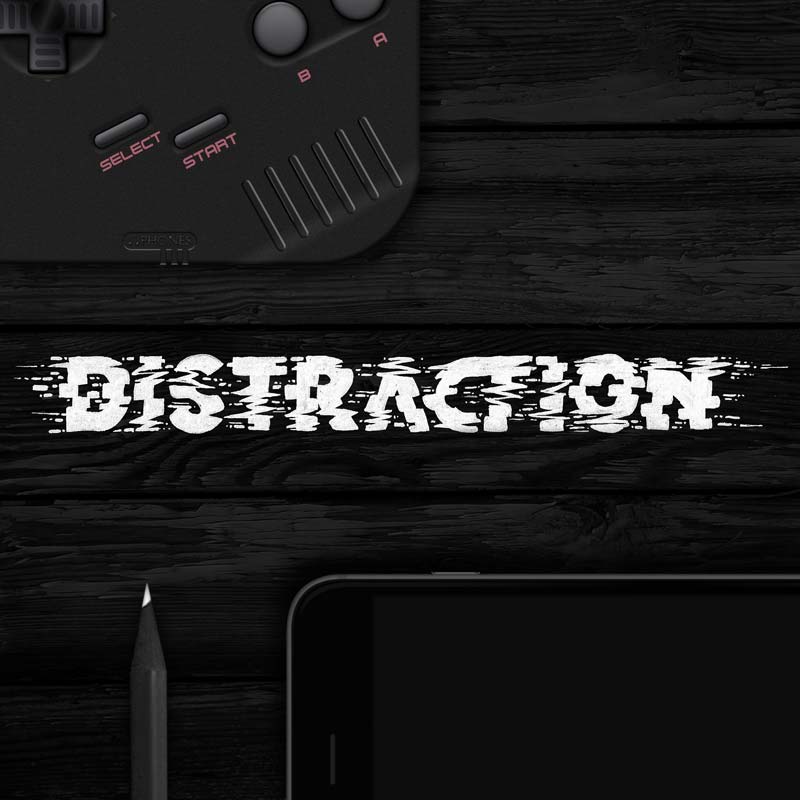
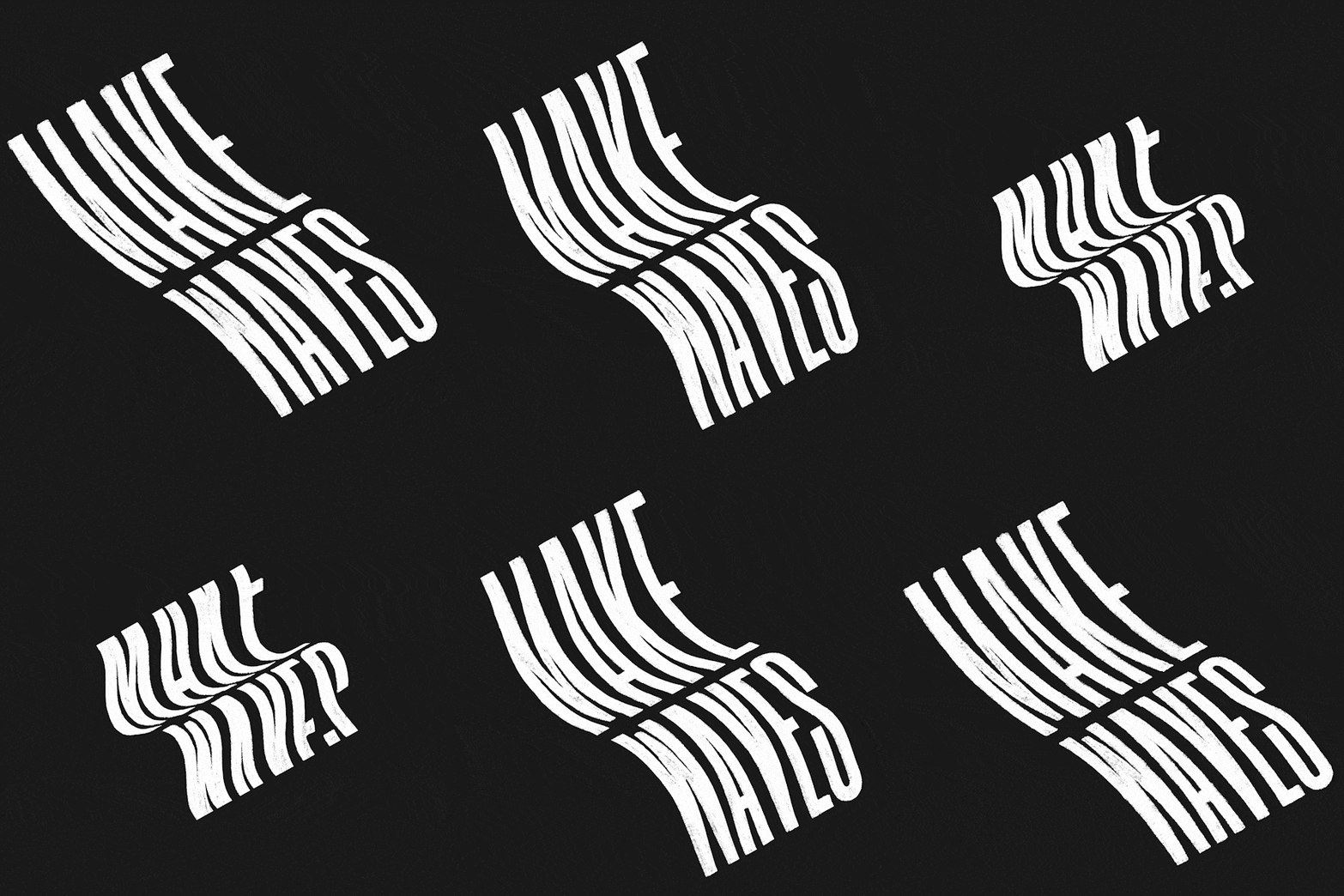
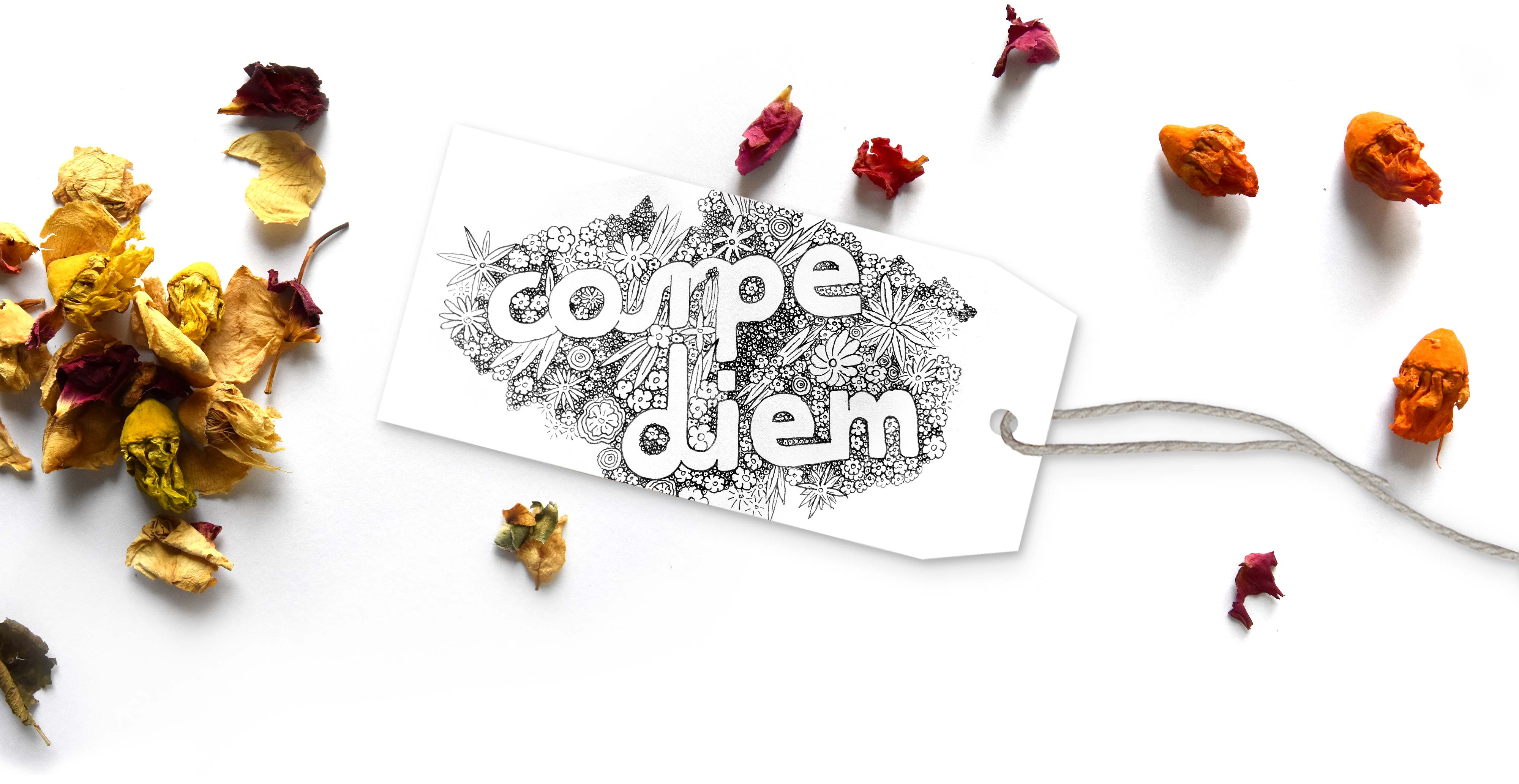
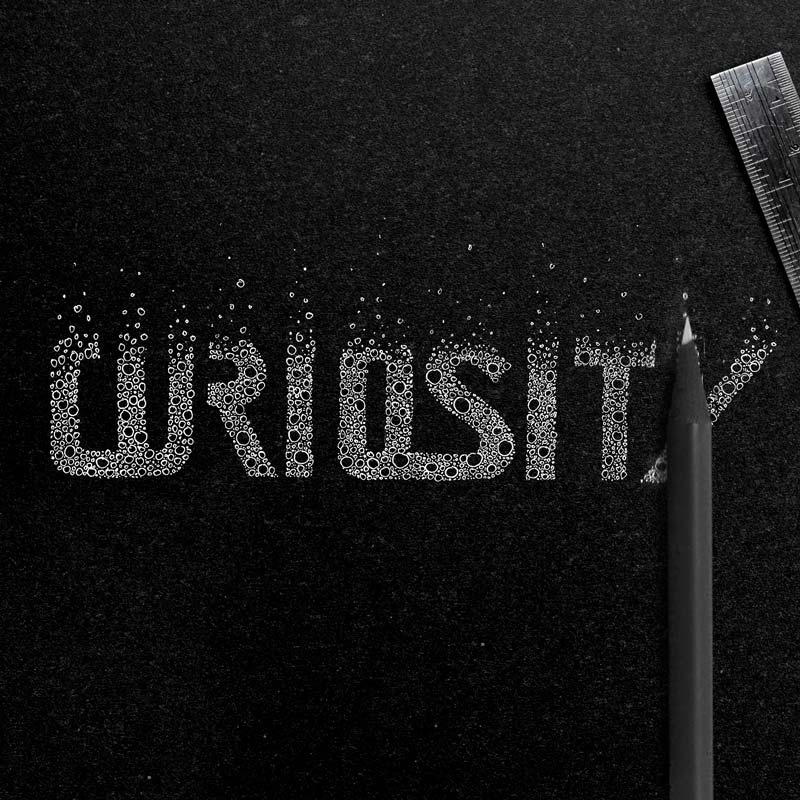
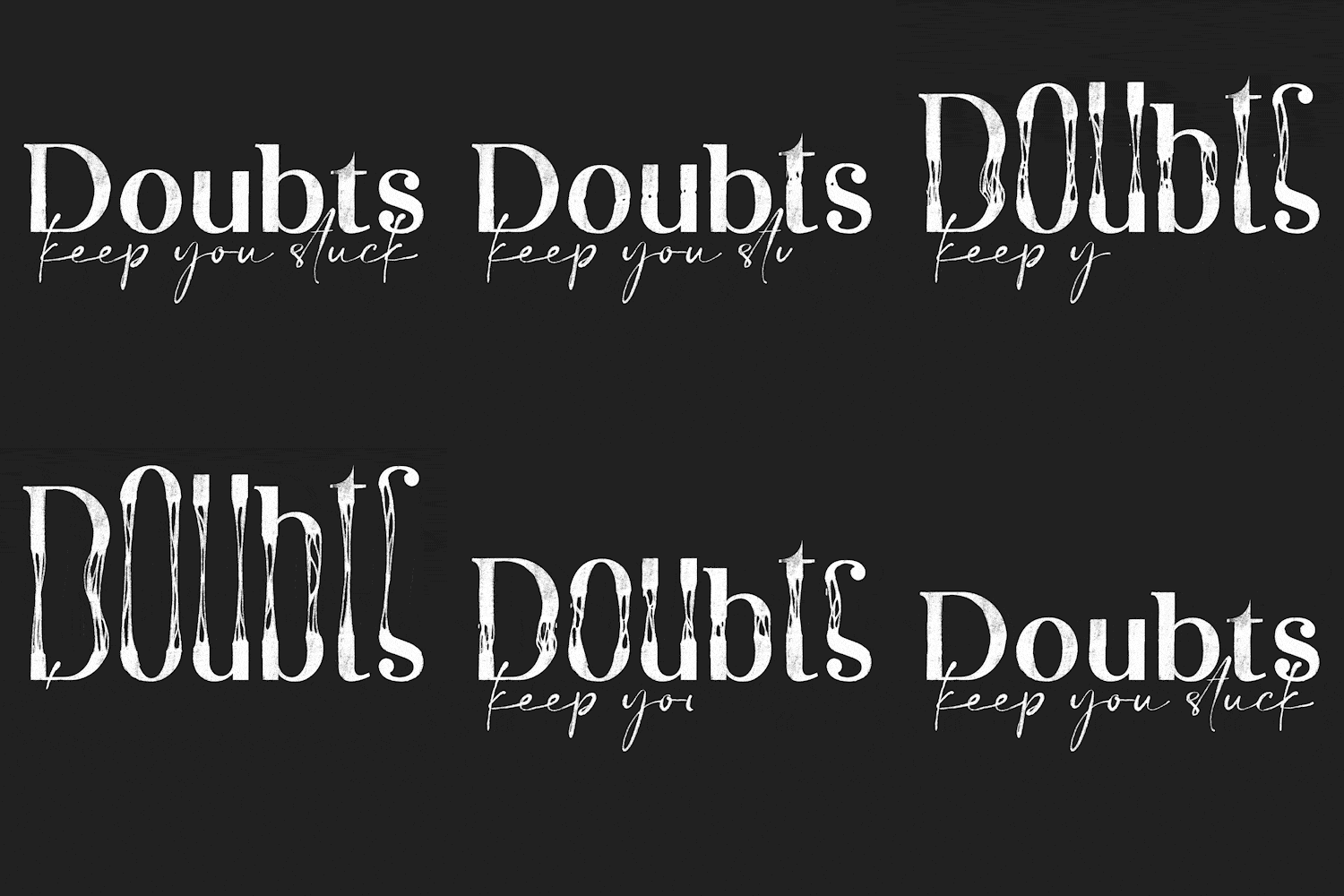
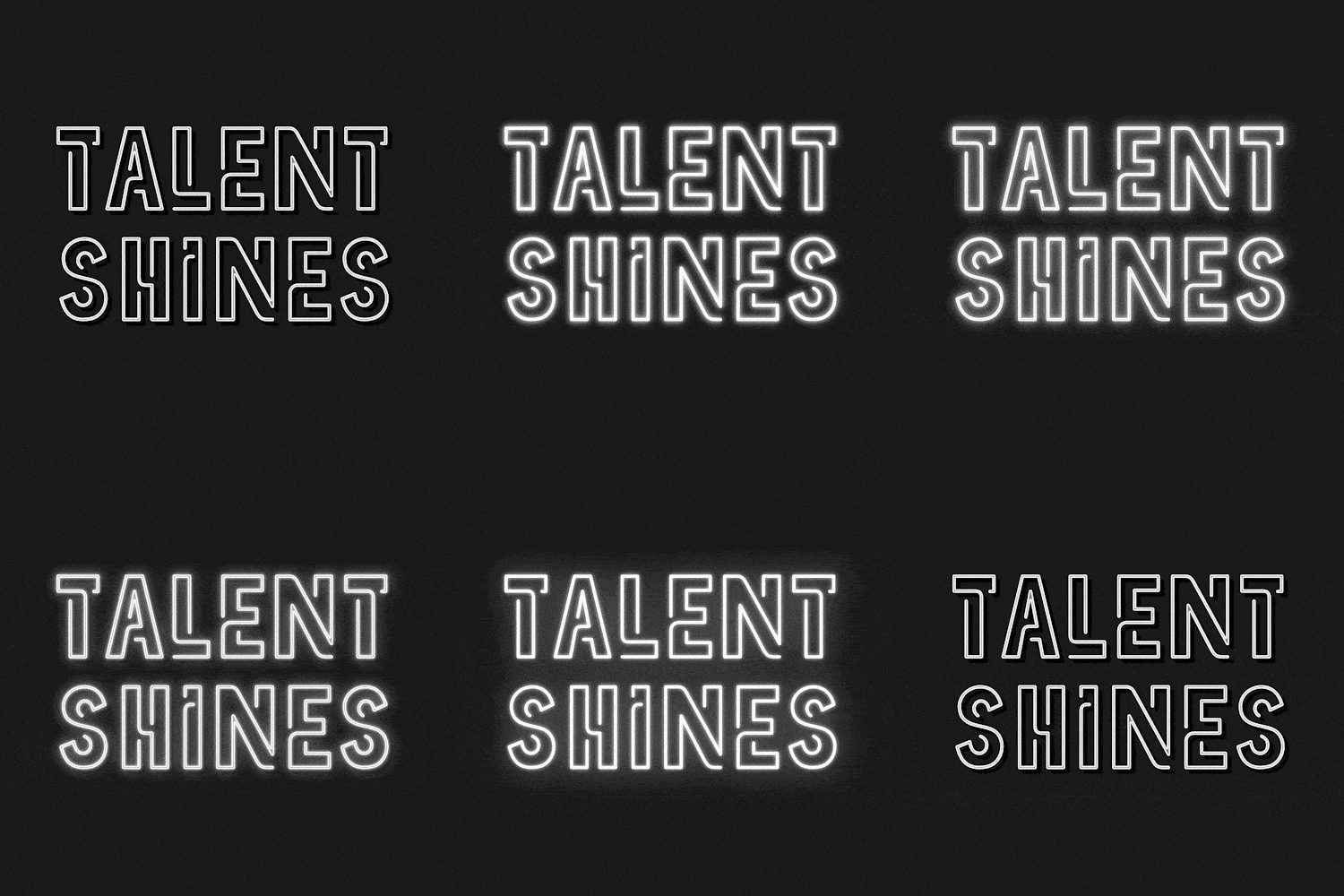
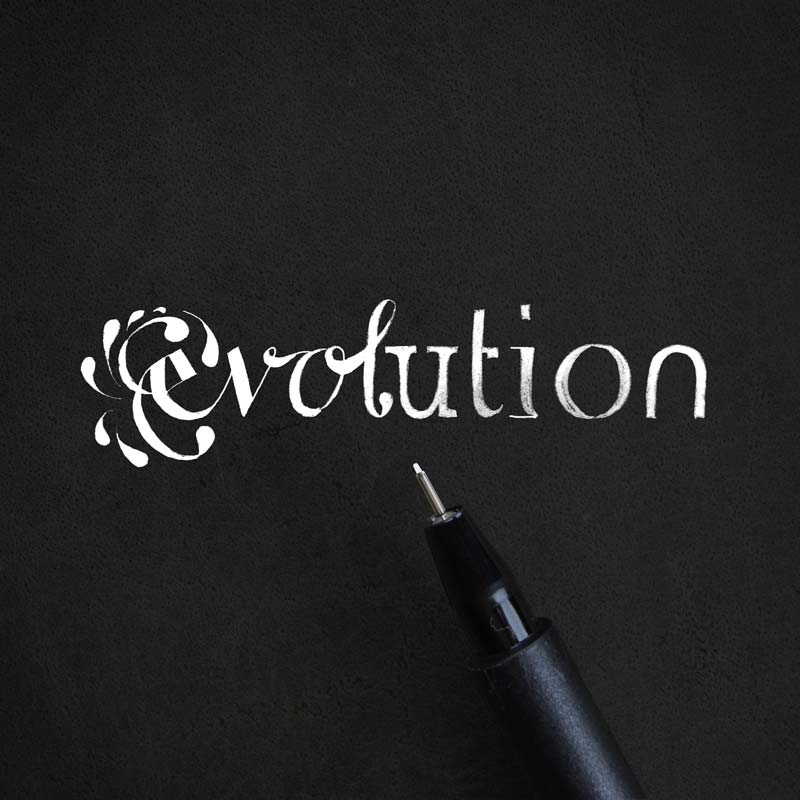
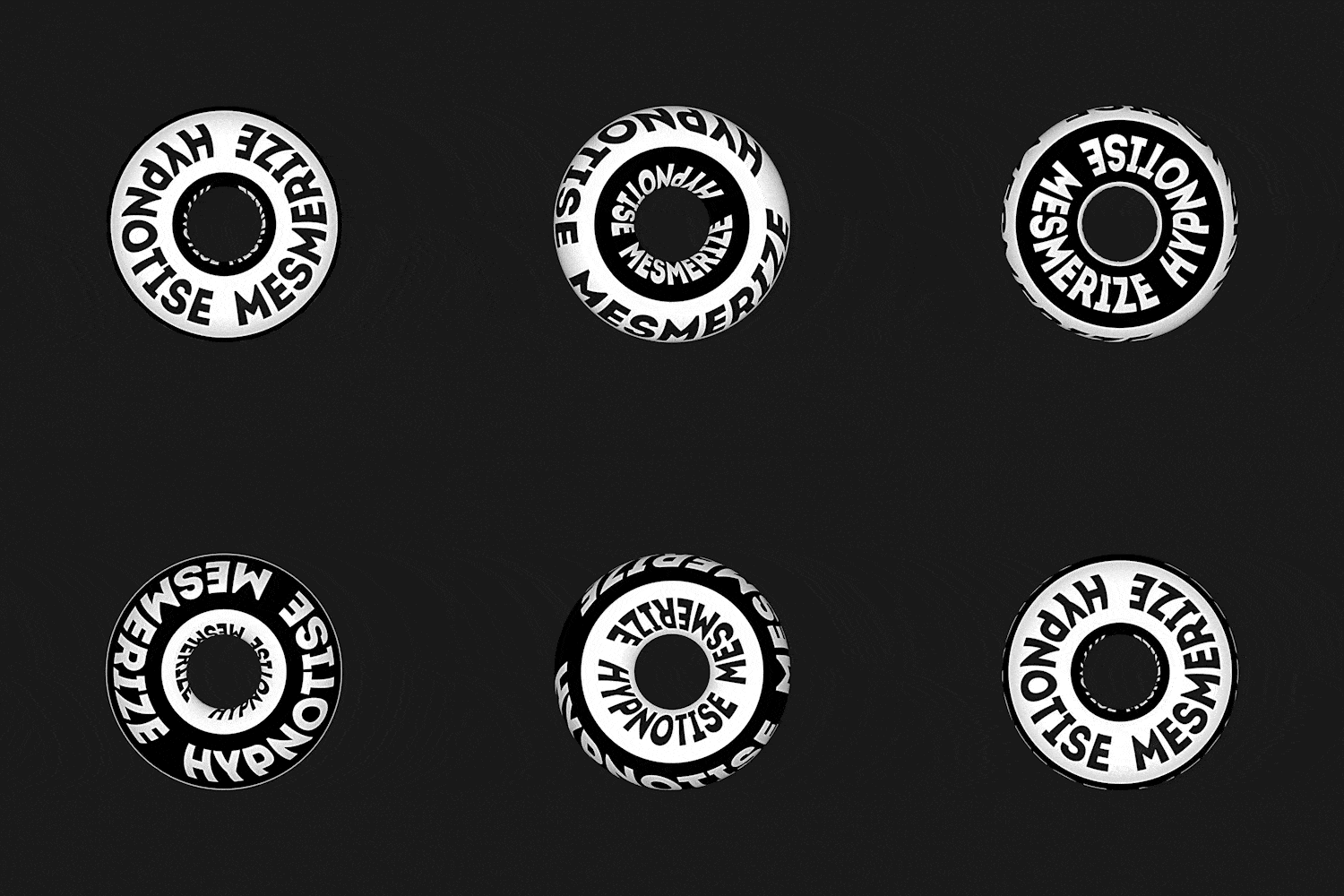
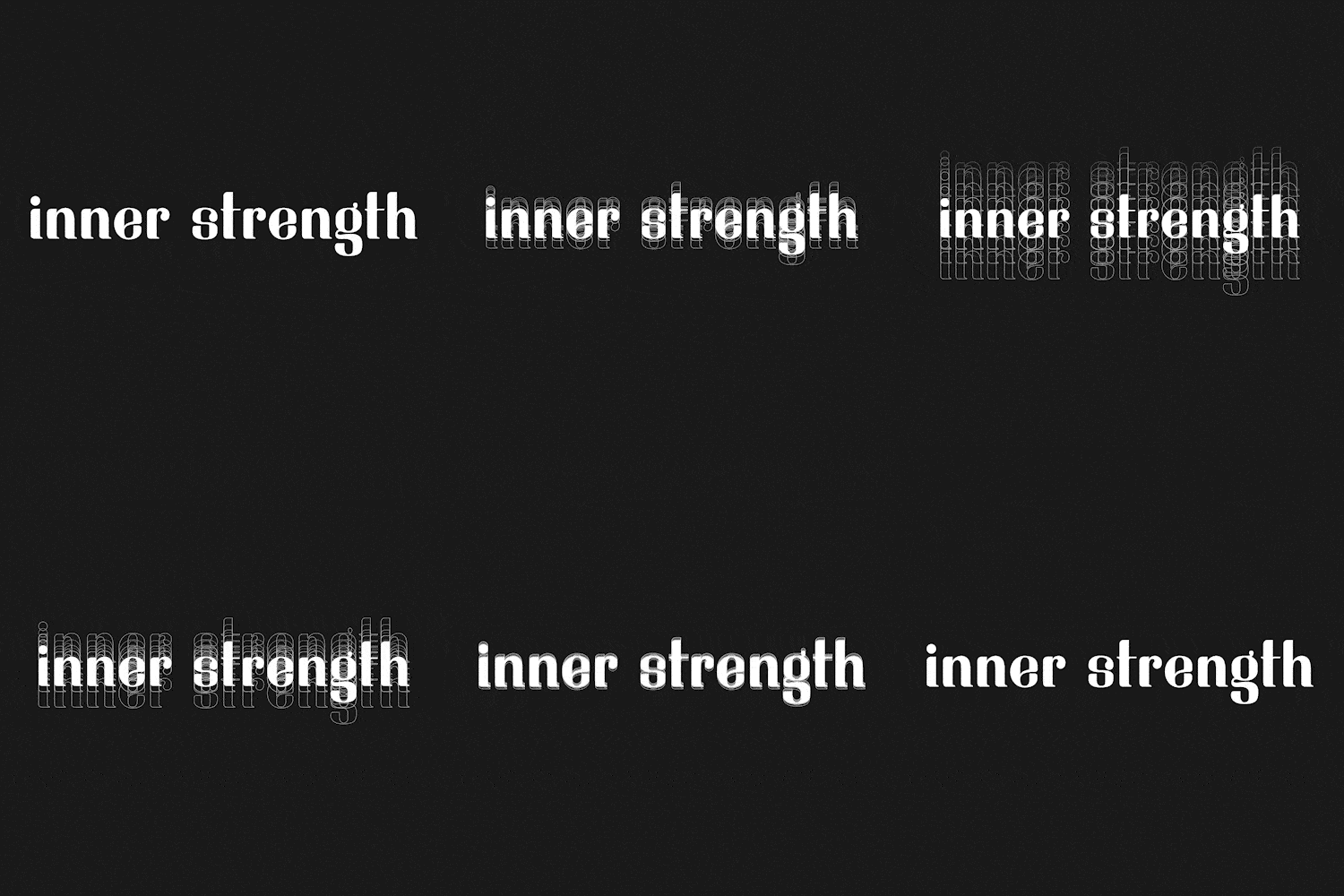
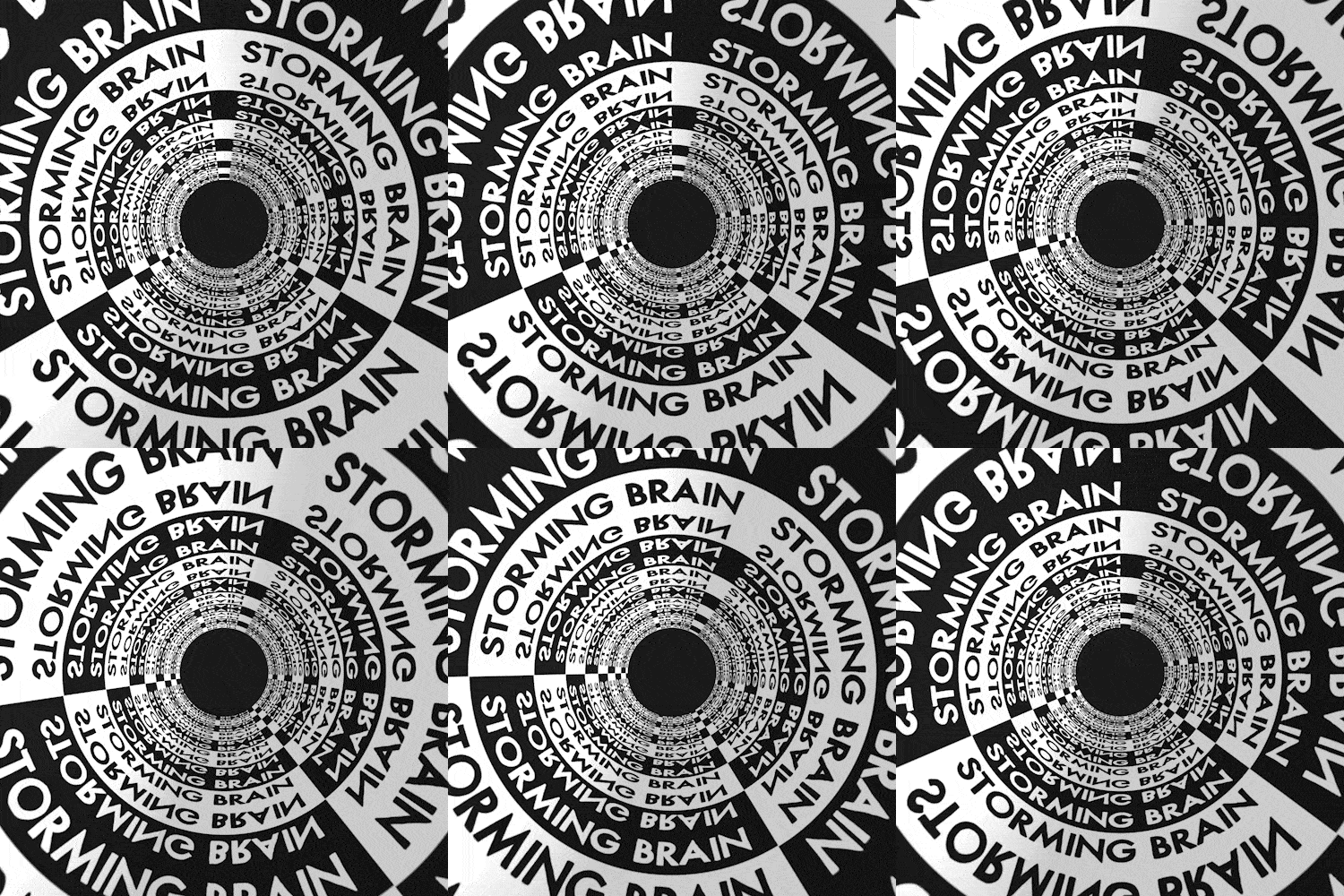
TYPE HYPE experiments with small but meaningful typographic interventions: Negative space used as an active design element. Repetition to reinforce meaning and rhythm. Letterforms that visually express their message
The goal is not perfection, but clarity through reduction.

Motion as an Extension
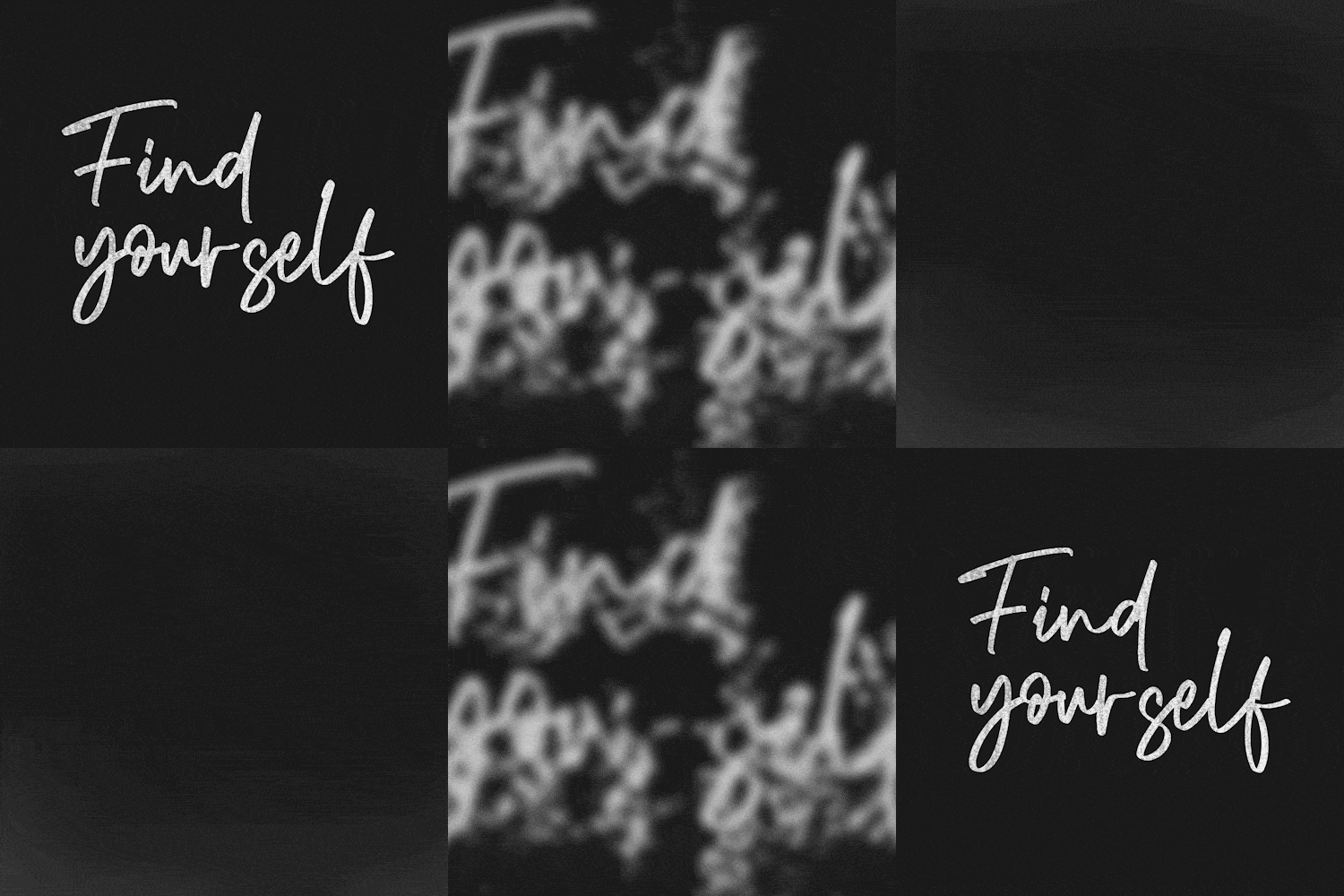
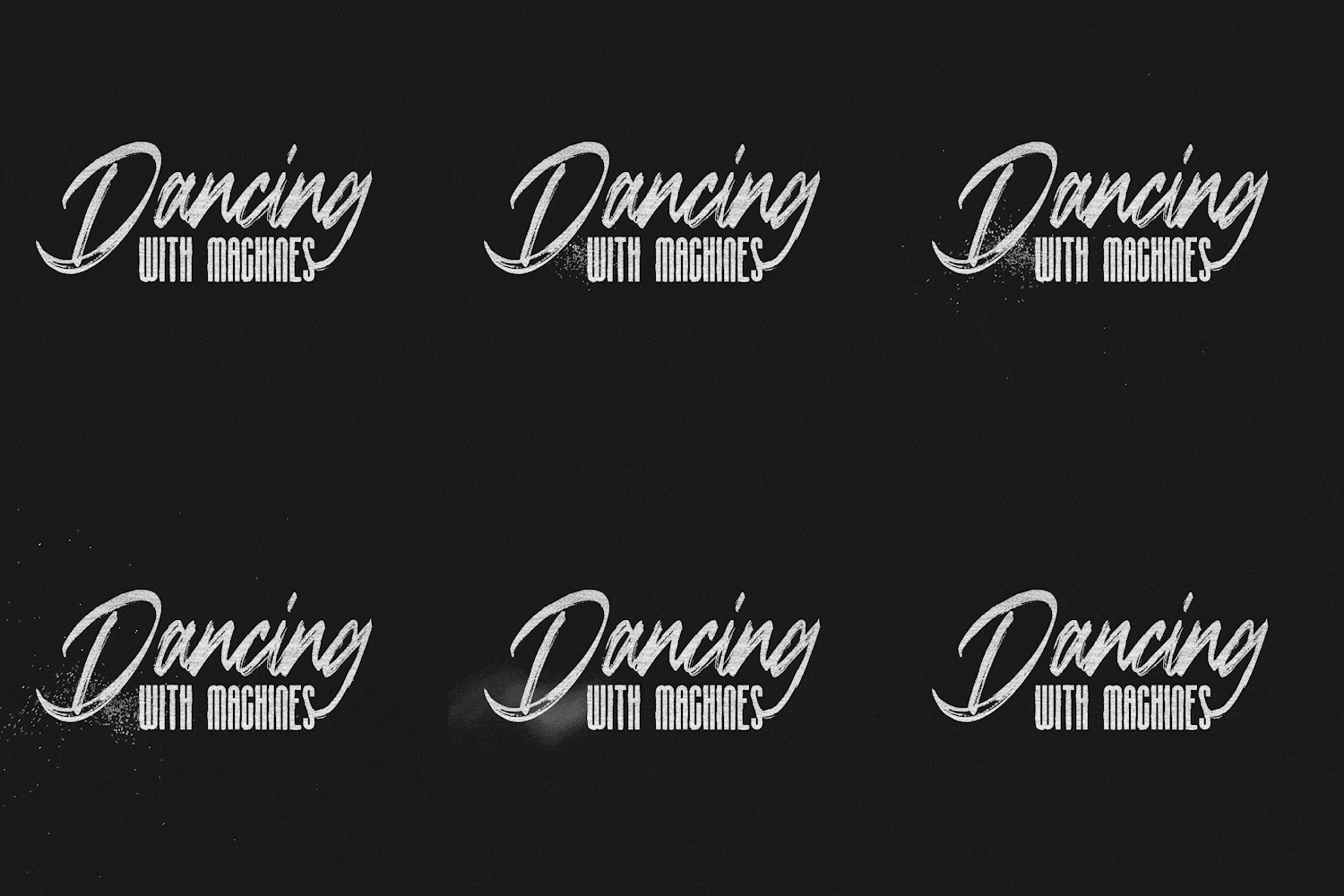
Some artworks are animated, others remain static. Animation is used sparingly and only when it strengthens the idea: Subtle movement to reveal meaning. Animation as emphasis, not spectacle
If motion does not add value, it is deliberately omitted.





Reduction to the Core
Everything in TYPE HYPE follows a strict principle: Remove until only the idea remains. No colors, no grids, no systems — just typography, contrast, and concept.


Learning & Reflection
Beyond visual output, TYPE HYPE is a personal learning tool. It helped to: Step outside predefined client frameworks. Question personal design habits. Reconnect with curiosity and experimentation. Strengthen conceptual thinking. Designers must not become comfortable. They must keep pushing, questioning, and exploring.